Period Furniture Rooms
Dubrovnik, Croatia
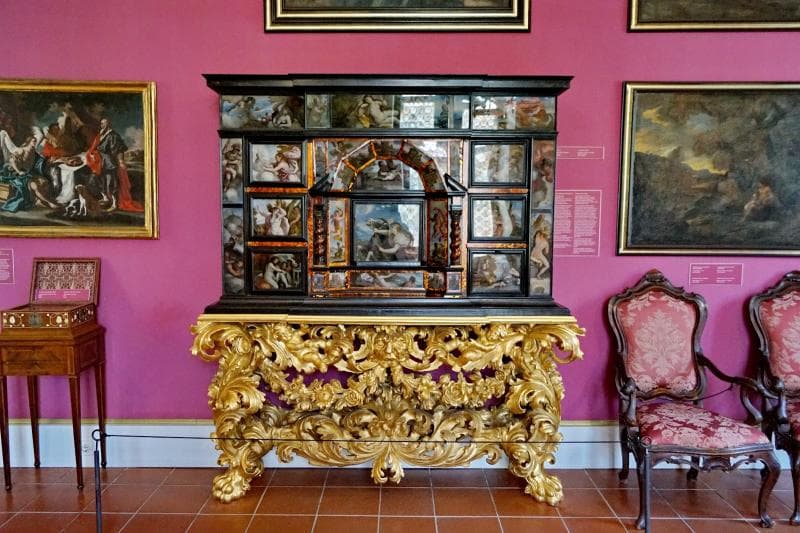
Step back in time at the Period Furniture Rooms in Rector's Palace, Dubrovnik, Croatia. Explore exquisite 17th-19th century interiors and uncover the history of the Ragusan Republic.
Overview
Within the venerable walls of Rector's Palace in Dubrovnik, Croatia, lies a captivating journey back in time: the Period Furniture Rooms. This designated section is an integral part of the Cultural History Museum, housed within the palace itself. The Rector's Palace, known in Croatian as Knežev dvor, is a remarkable architectural masterpiece blending Gothic, Renaissance, and Baroque styles, reflecting centuries of history and numerous reconstructions. The Period Furniture Rooms offer a unique glimpse into the domestic and official life of Dubrovnik's elite during the height of the Ragusan Republic, showcasing how power and daily existence intertwined within these historic spaces.
Visitors to these rooms can explore beautifully preserved or recreated interiors, complete with authentic period pieces that paint a vivid picture of the past. It's a chance to step away from the bustling streets of Dubrovnik's Old Town and immerse oneself in the refined aesthetics and functional designs that once adorned the residences of the city's most influential citizens and, crucially, the Rector himself.
History & Cultural Background
The Rector's Palace, established in the 12th century as a defensive structure, transformed over time into the prestigious seat of government for the Republic of Ragusa. Between the 14th century and 1808, it served as the official residence and workplace for the elected Rector, the head of the Republic. This building, however, faced a turbulent history, suffering significant damage from two gunpowder explosions in the 15th century and a devastating earthquake in 1667. Each reconstruction, undertaken by renowned architects like Onofrio della Cava and Michelozzo of Florence, contributed to its eclectic architectural grandeur, harmoniously integrating different styles.
The palace's function as the Rector's residence was particularly unique. The Rector was elected for a mere one-month mandate, during which he was essentially confined to the palace, permitted to leave only for official duties. This strict isolation from his family and public life was a deliberate constitutional measure by the Ragusan Republic to prevent any individual from accumulating too much personal power, ensuring that the Rector remained 'first among equals' rather than an absolute ruler. The furniture within these rooms, therefore, witnessed not just daily routines but also the weight of civic responsibility and the unique political structure of one of history's most fascinating maritime republics.
What Makes It Special
The Period Furniture Rooms offer a rare and intimate look at the material culture of the Ragusan Republic. Unlike many museums that display artifacts in isolation, here, the furniture is often arranged to evoke the original atmosphere and layout of the rooms. The museum's extensive collection comprises over six hundred items of secular furniture, primarily spanning the 17th to the early 20th century. These pieces provide concrete evidence of the high standard of living enjoyed by Dubrovnik's patrician class and wealthy burghers, who keenly followed European fashion trends in interior design.
Among the treasures, you might encounter elegant Rococo bedrooms, the Rector's own study, and impressive reception rooms. Notable individual items include a sophisticated writing desk attributed to the Italian Baroque painter Luca Giordano and beautifully inlaid wooden chests and cabinets. Many pieces hail from southern Italian, Venetian, and Ligurian workshops, showcasing intricate gilding and decorative techniques such, as the Venetian *lacca povera*. These rooms are more than just a display of old furniture; they are carefully curated environments that transport visitors directly into the historical context of Dubrovnik's golden age.
Stories, Fun Facts & Local Details
The Period Furniture Rooms are imbued with fascinating stories and local details. Imagine the Rector, confined to these very rooms for his month-long term, away from his family, diligently overseeing the affairs of the Republic. This rigorous system highlights Dubrovnik's innovative approach to governance and its commitment to preventing tyranny.
One intriguing detail found within the museum's displays relates to timekeeping: some clocks are deliberately set to 5:45 (a quarter to six). This precise time marks a somber moment in Dubrovnik's history – the evening in 1806 when Napoleon's troops entered the city, signifying the end of the Ragusan Republic. Furthermore, the collection includes several sedan chairs, luxurious, enclosed seats carried by porters. These were a practical necessity in the narrow, pedestrian-friendly streets of Dubrovnik, where horse-drawn carriages were often impractical.
While exploring, you might notice the bust of Miho Pracat in the palace atrium. He was a wealthy shipowner and the only commoner in the Republic's history to be honored with a public monument, a testament to his generosity in bequeathing his entire fortune to Dubrovnik.
Visitor Perspective
For any curious traveler, the Period Furniture Rooms within Rector's Palace offer an enriching and contemplative experience. Stepping through these meticulously arranged spaces provides a tangible connection to Dubrovnik's rich past, allowing one to visualize the daily lives, political intrigues, and cultural sophistication of the Ragusan Republic. The blend of Gothic, Renaissance, and Baroque architectural elements that define the palace is also reflected in the diverse styles of furniture, offering a comprehensive aesthetic journey.
It's not merely about observing antique pieces; it's about walking through history. The careful recreation of these interiors helps visitors understand the social hierarchy, the taste of the aristocracy, and the unique political customs that shaped this powerful city-state. The Cultural History Museum, of which these rooms are a highlight, is considered a must-see, offering deep insights into Dubrovnik's heritage through its stunning collections of art, artifacts, and, of course, its magnificent period furniture.
Coordinates: 17.86794, 42.72417
View on Google Maps💬 How Travelers Describe This Place
Based on community votes
Interesting
931Beautiful
692Unique
491Photogenic
266Must See
261
Traveler Stories
Discover memorable experiences shared by travelers who have visited this place.
No traveler stories yet.
Be the first traveler to share what made this place memorable.

Tour
By
Spot
Discover amazing places around the world. Your journey starts here.
Explore
© 2026 TourBySpot. All rights reserved.