Pedestrian Walkway
New York, United States
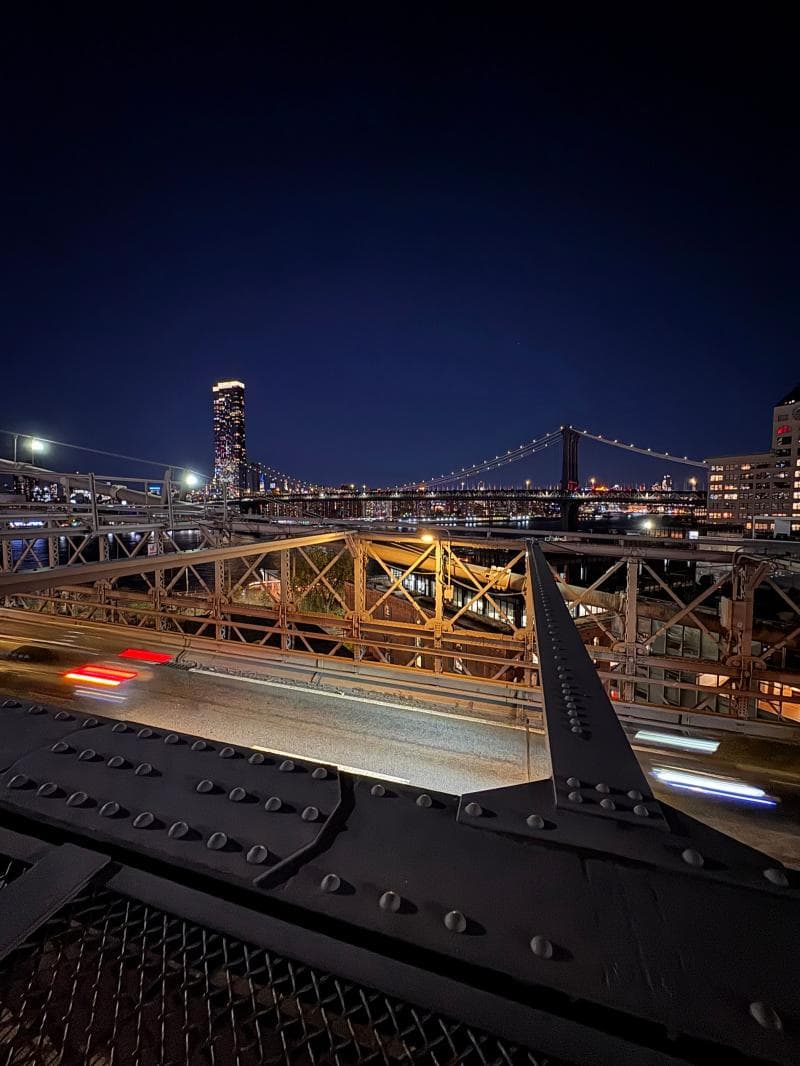

Explore the historic Brooklyn Bridge Pedestrian Walkway in New York, United States. Discover its engineering marvel, stunning views, and fascinating history.
Overview
The Pedestrian Walkway of the Brooklyn Bridge offers a unique and memorable way to experience New York City, connecting the vibrant boroughs of Manhattan and Brooklyn across the East River. Elevated above the vehicle traffic, this iconic wooden promenade provides a panoramic journey through history and breathtaking urban landscapes. It's a cherished spot for both locals and travelers, inviting them to stroll, cycle, and soak in the magnificent views of the Manhattan skyline, the Statue of Liberty, and the expansive harbor.
Spanning approximately 1.1 miles (1.8 km) one way, the walkway typically takes between 25 to 45 minutes to cross at a leisurely pace, allowing ample time for photos and appreciation of the surroundings. The path is clearly marked and open 24/7, making it accessible at any time of day or night for those seeking quiet contemplation or the bustle of city life.
History & Cultural Background
The Brooklyn Bridge itself is a triumph of 19th-century engineering, a monumental project designed by German-American civil engineer John A. Roebling. Construction began in 1869, but tragedy struck early. John A. Roebling died before work commenced, and his son, Washington Roebling, took over as chief engineer. Washington later suffered debilitating injuries from decompression sickness, known as 'caisson disease,' while working on the bridge's foundations.
Remarkably, his wife, Emily Warren Roebling, stepped in, teaching herself engineering and mathematics to effectively oversee the completion of the bridge, becoming a pivotal figure in its construction. The bridge officially opened on May 24, 1883, after 14 years of construction, linking what were then two separate cities: Manhattan and Brooklyn. At its completion, it was the longest suspension bridge in the world, a testament to human ingenuity and perseverance.
What Makes It Special
Beyond its impressive engineering—being the first suspension bridge to use steel for its cables—the Pedestrian Walkway is special for its distinctive elevated design. The promenade runs 18 feet (5.5 m) above the roadways, offering a serene escape from the urban clamor below. Its neo-Gothic towers, constructed from limestone, granite, and cement, rise over 270 feet (83 meters) tall, framing the cityscapes like natural archways. The crisscrossing steel cables create a mesmerizing pattern overhead, adding to the bridge's architectural grandeur.
The walkway's design, initially envisioned by John Roebling, incorporated an elevated boardwalk specifically to provide pedestrians with unparalleled views. This foresight created one of New York City's most enduring and photographed landmarks, celebrated in countless movies, songs, and artworks.
Stories, Fun Facts & Local Details
- The Penny Toll: When the Brooklyn Bridge first opened, pedestrians had to pay a penny to cross. This toll was eventually removed, making the crossing free today.
- Barnum's Elephants: To quell public fears about the bridge's stability shortly after its opening, in 1884, circus impresario P.T. Barnum famously paraded 21 elephants, including his star Jumbo, across the bridge. This event became an annual springtime ritual, reassuring the public of the bridge's strength.
- A Tragic Day: Just days after its grand opening, on May 30, 1883, a stampede broke out on the Manhattan side of the bridge, caused by a rumor that the bridge was collapsing. Twelve people tragically lost their lives.
- Cold War Secret: In 2006, city workers discovered a Cold War-era bunker filled with emergency supplies hidden inside a room within the bridge's structural foundations.
- Roebling's Plaque: A plaque honoring John A. Roebling, Washington Roebling, and Emily Warren Roebling can be found on the tower on the Brooklyn side of the bridge, recognizing their immense contributions.
Visitor Perspective
Walking the Brooklyn Bridge offers an immersive experience, with different starting points on either side. From Manhattan, the pedestrian entrance is conveniently located near City Hall Park, at Centre Street & Park Row. On the Brooklyn side, access points include a ramp at Tillary Street & Adams Street, or via the DUMBO stairs at Washington Street & Prospect Street.
Many visitors recommend walking from Brooklyn towards Manhattan to capture the most iconic skyline views, especially at sunrise or sunset for fewer crowds and softer light. While the walkway was once shared with cyclists, a dedicated bike lane has been moved to a separate level, allowing pedestrians to enjoy a more relaxed and safe experience. Benches are available along the way for rest and observation, though there are no restroom facilities on the bridge itself.
Coordinates: -73.9964, 40.7057
View on Google Maps💬 How Travelers Describe This Place
Based on community votes
Beautiful
981Unique
617Interesting
357Photogenic
147Must See
28
Traveler Stories
Discover memorable experiences shared by travelers who have visited this place.
No traveler stories yet.
Be the first traveler to share what made this place memorable.

Tour
By
Spot
Discover amazing places around the world. Your journey starts here.
Explore
© 2026 TourBySpot. All rights reserved.