Passetto di Borgo
Rome, Italy
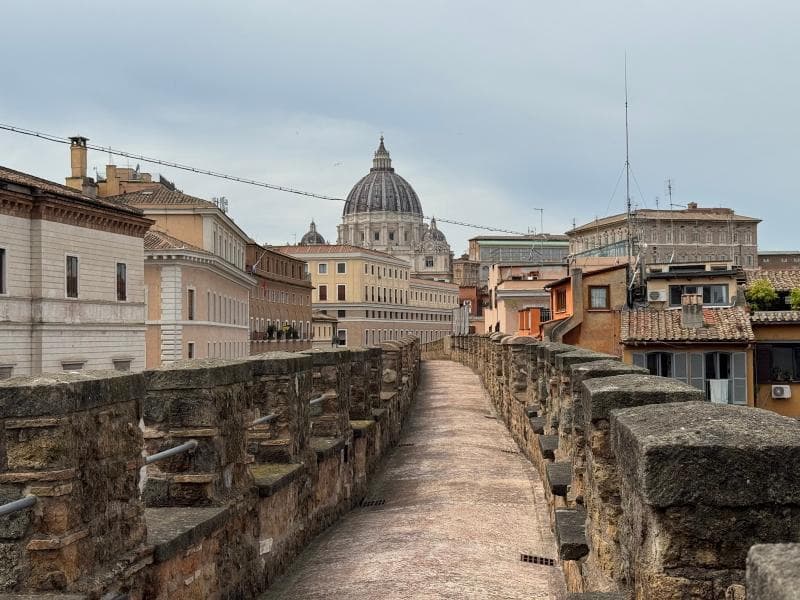
Explore the Passetto di Borgo, a secret elevated passage linking Vatican City to Castel Sant'Angelo in Rome, Italy, used by Popes for escape.
Overview
The Passetto di Borgo, often referred to simply as 'the Passetto', is an extraordinary elevated passageway nestled within the ancient heart of Rome, Italy. This approximately 800-meter-long fortified corridor provides a tangible link between the Vatican City and the formidable Castel Sant'Angelo. Its primary, historically crucial function was to serve as a secret and protected escape route for the Popes during periods of conflict and siege. More than just a simple walkway, the Passetto is a silent witness to centuries of papal history and Roman intrigue, offering a unique glimpse into the defensive strategies of the Vatican and the turbulent past of the Eternal City.
History & Cultural Background
The origins of the Passetto di Borgo stretch back further than its most famous incarnation. Parts of its structure date to a defensive wall built by the Ostrogothic king Totila around 547 AD during the Gothic War. Later, Pope Leo IV rebuilt sections of the city wall around 852 AD, adding a walkway to protect the Vatican from potential invasions. However, the Passetto as we know it today largely took shape under Pope Nicholas III, who commissioned its construction in 1277. This marked a pivotal moment, as the passage transformed into a secure, elevated corridor linking the Apostolic Palace with the then-fortress of Castel Sant'Angelo. Over the centuries, various Popes, including Alexander VI and Sixtus IV, made modifications and enhancements, adding defensive features like watchtowers and battlements to further secure this vital lifeline.
What Makes It Special
What truly sets the Passetto di Borgo apart is its ingenious design and its profound historical role. It is not merely a path but a strategic architectural marvel. The corridor is built atop old defensive walls, creating an elevated and often hidden route. In its current form, it features two levels: an upper patrol walkway and a lower, hidden enclosed escape passage, allowing for clandestine movement. This dual-purpose structure demonstrates the sophisticated medieval engineering employed to safeguard the highest religious authority. Its very existence speaks volumes about the constant threats faced by the papacy throughout history and their need for a direct, secure passage to the impenetrable refuge of Castel Sant'Angelo. The roughly 800-meter length varied in width, sometimes just wide enough for two people to walk abreast, creating an intimate, almost claustrophobic sense of urgency for those who used it in times of peril.
Stories, Fun Facts & Local Details
The Passetto is steeped in dramatic narratives. Perhaps its most famous moments occurred during two critical historical events when it served precisely its intended purpose. In 1494, Pope Alexander VI Borgia famously used the Passetto to escape to Castel Sant'Angelo when French troops under Charles VIII invaded Rome, saving his life. Even more dramatically, in 1527, during the devastating Sack of Rome by the troops of Holy Roman Emperor Charles V, Pope Clement VII Medicei found sanctuary by fleeing through the Passetto while most of his Swiss Guard were massacred defending St. Peter's Basilica. Legend says you can still see the scars of arquebus volleys on the walls from that desperate retreat. Locally, Romans have affectionately called it 'Er Coridore di Borgo' (the Corridor of Borgo), highlighting its significance in the Borgo neighborhood it traverses. Walking its length today is to literally follow in the footsteps of these powerful figures, imagining the fear and relief they must have felt as they traversed this secret passage.
Visitor Perspective
For the curious traveler, experiencing the Passetto di Borgo offers a truly unique perspective on Roman history. While not always regularly open to the public for independent access, it is possible to visit the Passetto, often through specific guided tours or special ticket options from Castel Sant'Angelo. These tours provide access to sections of the corridor, allowing visitors to walk within its ancient walls and gain insights into its historical importance. The Passetto offers distinct vantage points of the surrounding cityscape, including the Vatican and Castel Sant'Angelo, from an elevated and historically charged position. Recent restorations, some completed as recently as 2024, have made parts of this fascinating structure more accessible, especially in time for significant events like the 2025 Jubilee. A visit here is an immersive journey into a pivotal, often hidden, chapter of Rome's enduring legacy.
Coordinates: 12.4664, 41.9031
View on Google Maps💬 How Travelers Describe This Place
Based on community votes
Beautiful
623Interesting
545Unique
343Must See
302Photogenic
20
Traveler Stories
Discover memorable experiences shared by travelers who have visited this place.
No traveler stories yet.
Be the first traveler to share what made this place memorable.

Tour
By
Spot
Discover amazing places around the world. Your journey starts here.
Explore
© 2026 TourBySpot. All rights reserved.