Passageways
Salzburg, Austria
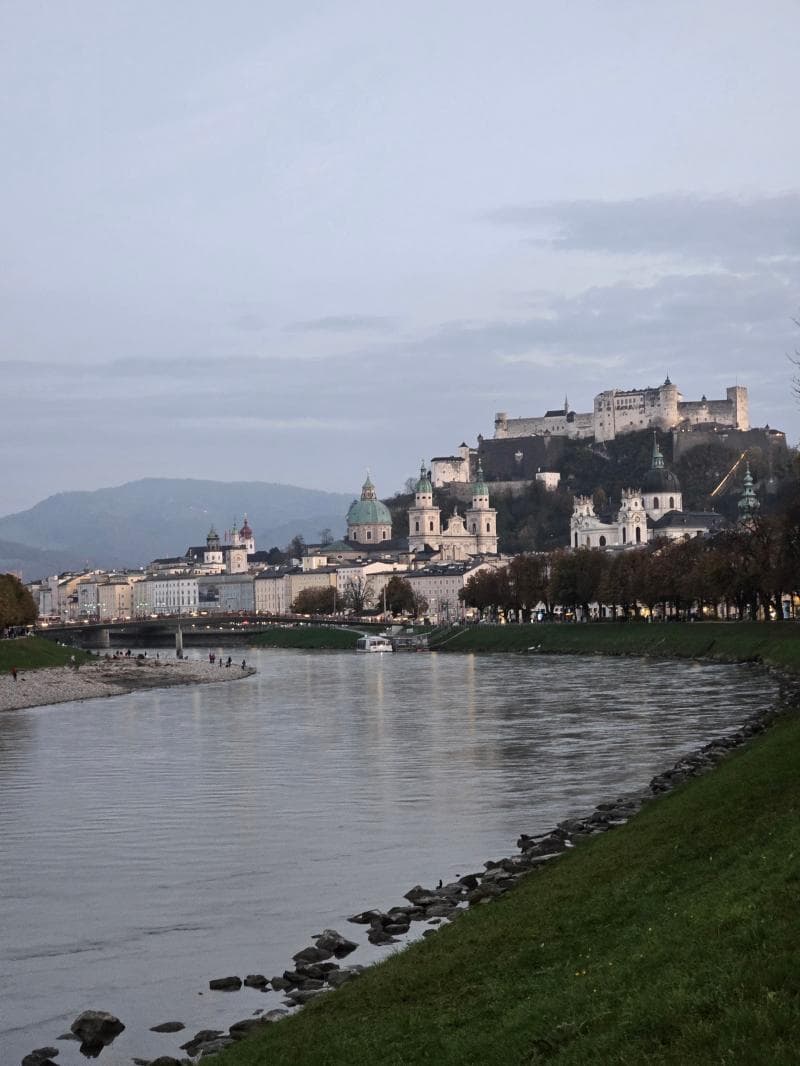
Discover the enchanting Passageways of Getreidegasse in Salzburg, Austria, a historic network of hidden courtyards and architectural wonders.
Overview
Stepping into Salzburg's Getreidegasse is like entering a living postcard, a vibrant artery through the city's UNESCO-listed Old Town. Amidst its distinctive wrought-iron guild signs and historic facades lies a lesser-known, yet equally captivating, network of 'Passageways' or 'Durchhäuser'. These aren't merely shortcuts; they are an integral part of the street's historical fabric, inviting curious travelers to peel back layers of time. They offer a tangible connection to Salzburg's past, providing both practical access and unexpected moments of quiet beauty away from the main thoroughfare.
History & Cultural Background
The story of the Passageways is deeply interwoven with the evolution of Getreidegasse itself. Originally known as 'Trabgasse' around 1150, meaning 'trot lane', it was a crucial trade route that saw merchants hurrying through its narrow confines. As Salzburg grew, constrained between the Mönchsberg mountain and the Salzach River, space became a precious commodity. By the 14th century, the prince-archbishops granted staple rights, transforming the street into a bustling commercial hub. Houses were built tall and narrow, often with their front and back entrances opening onto different streets. To maintain connectivity and facilitate the flow of people and goods through these tightly packed buildings, the ingenious system of 'Durchhäuser' or through-houses emerged. These arcaded passages were not just architectural necessities; they reflected the practical and communal spirit of medieval urban planning.
What Makes It Special
What truly sets these Passageways apart is their ability to transport you. Venture off the main Getreidegasse, and you'll find yourself in tranquil courtyards adorned with architectural treasures. Here, centuries-old arcades, intricate marble balustrades, stone reliefs, and historic inscriptions tell silent stories. Many of these hidden courtyards, once serving as communal gardens or storage spaces, now host charming boutiques, art galleries, and cozy cafes, offering a delightful contrast to the energetic street outside. One of the most celebrated examples is the Passageway at Schatz House, located at Getreidegasse No. 3. This particular passage leads directly to Universitätsplatz (University Square) and, in a dimly lit corner, reveals a poignant relief depicting the Madonna with the infant Jesus – a quiet, spiritual detail amidst the commerce.
Stories, Fun Facts & Local Details
Beyond their architectural charm, these Passageways hold fascinating historical anecdotes. One of the most intriguing involves the old method of street cleaning. For centuries, the Getreidegasse would be cleaned every Saturday evening and before holidays by flooding it with water from the Almkanal. This water would flow through some of these very Passageways, effectively washing away dirt and waste into the Salzach River. This ingenious system highlights the practical and integrated design of these historical structures. The sense of discovery as you wander from a bustling alley into a serene, hidden courtyard is a unique aspect of exploring Salzburg. The sheer number of these 'Durchhäuser', estimated to be around 13 covered passages, reinforces their significance in the city's layout and daily life throughout history.
Visitor Perspective
For the curious traveler, the Passageways of Getreidegasse are not to be rushed. They offer an intimate glimpse into the heart of Salzburg's Old Town, far beyond the surface-level attractions. To truly experience their magic, allow yourself to wander. Step through an archway that catches your eye; you might discover a quaint coffee shop, a unique artisan's workshop, or a quiet space to simply pause and absorb the atmosphere. The beauty lies in the unexpected finds – the forgotten reliefs, the delicate ironwork, or the shift in light from the lively street to the shaded courtyard. These hidden paths embody the spirit of exploration, connecting you to the centuries of footsteps that have passed through them, and offering a unique, unhurried perspective on this historical gem in Austria.
Coordinates: 13.04399, 47.79941
View on Google Maps💬 How Travelers Describe This Place
Based on community votes
Interesting
948Photogenic
913Beautiful
595Must See
358Unique
196
Traveler Stories
Discover memorable experiences shared by travelers who have visited this place.
No traveler stories yet.
Be the first traveler to share what made this place memorable.

Tour
By
Spot
Discover amazing places around the world. Your journey starts here.
Explore
© 2026 TourBySpot. All rights reserved.