Paris Square
Ho Chi Minh City, Vietnam
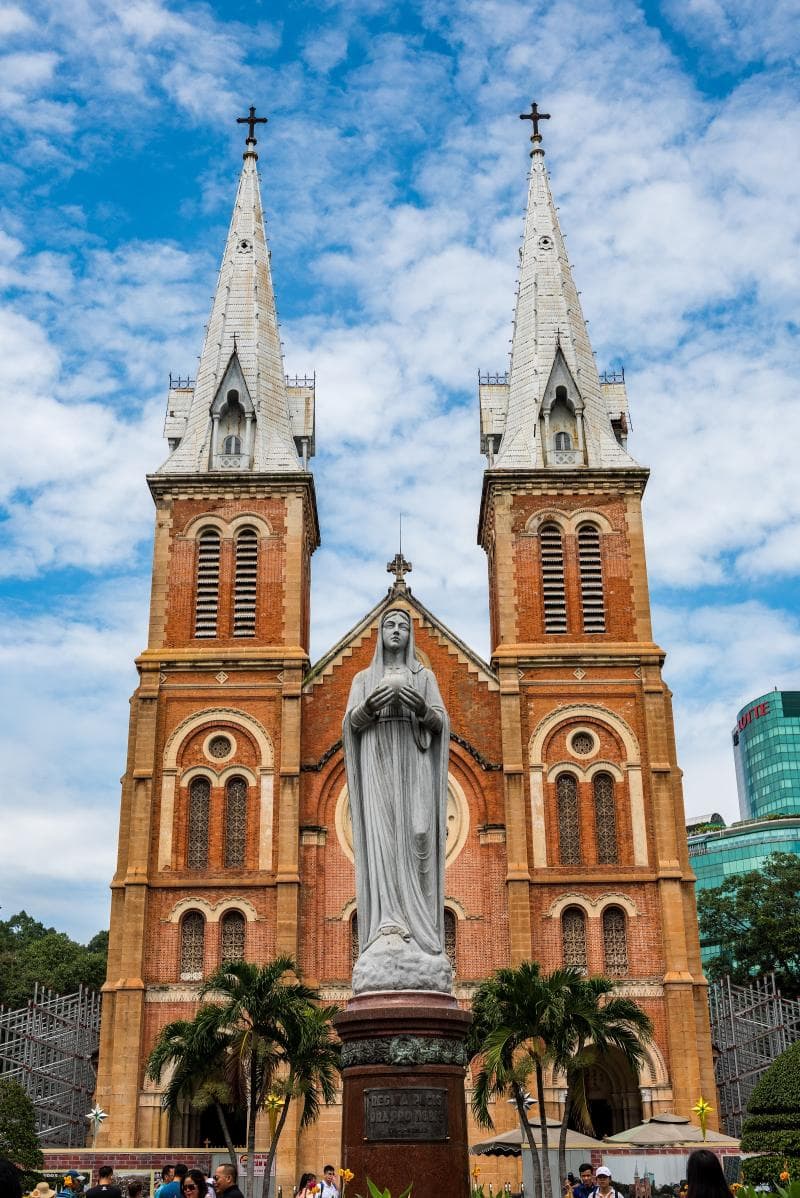
Discover Paris Square, Ho Chi Minh City, Vietnam. Explore its rich history, French colonial architecture, and the iconic Notre-Dame Cathedral.
Overview
Paris Square, known locally as Công trường Công xã Paris, is a captivating public space nestled in the heart of Ho Chi Minh City, Vietnam. This small yet significant square acts as a vibrant roundabout, strategically positioned between Lê Duẩn Boulevard and Nguyễn Du Street, and is notably enveloped by the iconic Saigon Notre-Dame Cathedral Basilica and the historic Central Post Office. More than just a traffic nexus, it marks the city's kilometre zero, signifying its central importance. The square serves as the bustling starting point of the famed Đồng Khởi Street, embodying a dynamic crossroads where historical reverence meets contemporary urban vitality.
History & Cultural Background
The history of Paris Square is deeply intertwined with Vietnam's colonial past and its journey towards independence. Originally established during the French colonial period in the 1860s, it was first known as Place de la Cathédrale, or 'Cathedral Square,' reflecting its proximity to the newly constructed church. As part of a grander French urban planning vision, the square was designed to imbue Saigon's landscape with European elegance.
A notable transformation occurred in 1903 when a bronze statue depicting the French Catholic priest Pierre Pigneau de Béhaine and the young Prince Nguyễn Phúc Cảnh was erected in the garden before the cathedral, leading to the square's renaming as Place Pigneau de Béhaine. However, this colonial symbol was removed in October 1945. In a post-colonial shift, the South Vietnamese government briefly renamed it President John F. Kennedy Square in May 1964.
The square's current name, Công trường Công xã Paris, meaning 'Paris Commune Square,' was bestowed after the Fall of Saigon in 1975 by the Provisional Revolutionary Government. This renaming was a powerful symbolic gesture, honoring the 1871 Paris Commune and signifying a definitive break from the colonial past, embracing revolutionary ideals.
What Makes It Special
What truly sets Paris Square apart is its remarkable location as a cultural and architectural focal point in Ho Chi Minh City. It serves as a majestic foreground to the awe-inspiring Notre-Dame Cathedral Basilica, an architectural marvel built with materials imported from France, including distinctive red bricks from Marseille. Directly opposite, the grand Saigon Central Post Office, another masterpiece of French design, further enhances the square's historical ambiance.
The square is also home to the prominent statue of the Virgin Mary, known as Our Lady of Peace (Regina Pacis), installed in 1959. This statue adds a layer of spiritual significance and serves as a key landmark. Beyond its architectural grandeur, Paris Square is a vibrant public space that beautifully illustrates the city's layered history, offering a harmonious dialogue between its storied past and its dynamic present.
Stories, Fun Facts & Local Details
Among the many fascinating details surrounding Paris Square is the story of the Our Lady of Peace statue. Sculpted by G. Ciocchetti in 1959, this impressive figure stands 4.6 meters tall and weighs a substantial 8 tons, meticulously crafted from Italian white granite. A widely discussed event occurred in October 2005 when local residents claimed the statue shed tears. This phenomenon, though later refuted by the Catholic Church of Vietnam, drew thousands of hopeful visitors to the square, eager to witness what many believed to be a miracle.
The enduring presence of the Notre-Dame Cathedral, built between 1877 and 1880, contributes greatly to the square's unique character. Its French-imported materials underscore the architectural ambition of the colonial era. The square's open design, coupled with lush landscaping, provides a tranquil respite amidst the city's energetic pace, making it a beloved gathering spot for both locals and travelers alike.
Visitor Perspective
For any traveler exploring Ho Chi Minh City, Paris Square is an unmissable destination, offering a compelling blend of history, culture, and urban charm. It's considered a must-see for first-time visitors, providing an excellent starting point for understanding the city's rich heritage. The square is freely accessible 24 hours a day, seven days a week, inviting visitors to wander, observe, and soak in the atmosphere at their leisure.
Many find the early mornings or late afternoons particularly appealing for a visit, when the light is softer and the crowds may be thinner, ideal for capturing stunning photographs of the cathedral and surrounding architecture. While exploring, it's recommended to have some local currency on hand to enjoy a coffee or a refreshing drink in one of the nearby establishments, truly embracing the local experience. The square is not just a photographic opportunity; it's a place for quiet contemplation, architectural appreciation, and engaging in some relaxed people-watching, making it a memorable stop on any Ho Chi Minh City itinerary.
Coordinates: 106.69911, 10.77973
View on Google Maps💬 How Travelers Describe This Place
Based on community votes
Must See
998Unique
903Beautiful
481Interesting
458Photogenic
197
Traveler Stories
Discover memorable experiences shared by travelers who have visited this place.
No traveler stories yet.
Be the first traveler to share what made this place memorable.

Tour
By
Spot
Discover amazing places around the world. Your journey starts here.
Explore
© 2026 TourBySpot. All rights reserved.