Papal Apartments
Rome, Italy
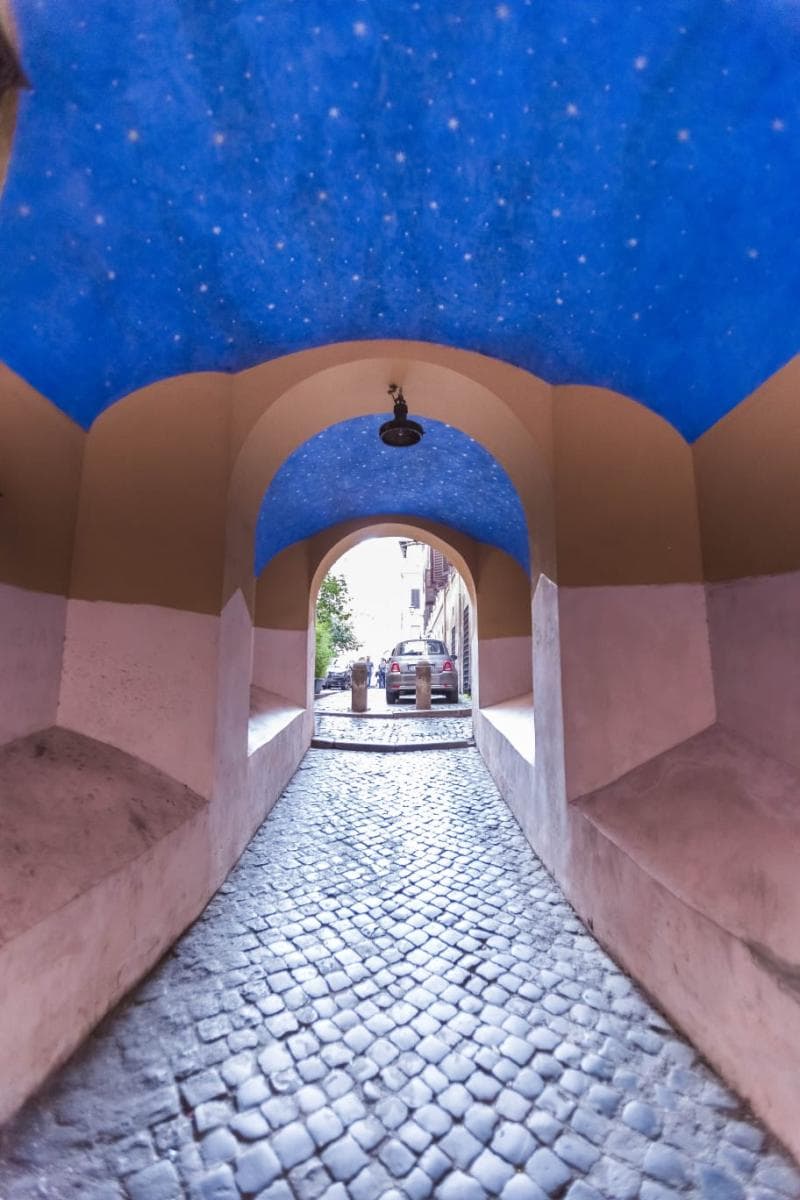
Explore the opulent Papal Apartments within Castel Sant'Angelo in Rome, Italy, revealing centuries of papal history, Renaissance art, and fascinating stories.
Overview
Nestled on the right bank of the Tiber River in Rome, Italy, Castel Sant'Angelo stands as a monumental testament to nearly two millennia of history. While its origins trace back to Emperor Hadrian's mausoleum, it evolved dramatically over centuries, eventually serving as a formidable fortress, a papal prison, and, notably, a lavish residence for popes. The Papal Apartments within Castel Sant'Angelo offer a unique glimpse into the opulent world of Renaissance pontiffs, revealing their lives during times of both peace and peril. This 'Castle of the Holy Angel' provides an extraordinary journey through Rome's layered past, inviting curious travelers to explore its diverse architectural and historical chapters.
History & Cultural Background
The story of the Papal Apartments is intrinsically linked to Castel Sant'Angelo's transformation from an imperial tomb into a strategic stronghold. Originally constructed between 123 and 139 AD as Hadrian's Mausoleum, the structure's military potential was recognized in medieval times, leading to its conversion into a fortress. By the 13th century, its proximity to the Vatican made it an ideal refuge for popes facing political instability and danger. Pope Nicholas III (1277-1280) was among the first to see its importance as an Apostolic See and began renovations, including reinforcing the famous Passetto di Borgo – a secret, elevated fortified corridor connecting the castle directly to the Vatican. This ingenious escape route proved vital during tumultuous periods, most famously during the Sack of Rome in 1527, when Pope Clement VII fled through it to safety within the castle's impenetrable walls. Over successive pontificates, particularly during the Renaissance, the castle's upper levels were transformed into sumptuous residential quarters. Popes like Alexander VI Borgia and Paul III Farnese commissioned extensive apartments, gardens, and fountains, adorned by the finest artists of their eras. These transformations turned a defensive bastion into a symbol of papal power and artistic patronage.
What Makes It Special
The Papal Apartments are a captivating blend of defensive architecture and exquisite Renaissance artistry. They are not merely living quarters but a series of richly decorated rooms that showcase the artistic and cultural zenith of the papal court. One of the highlights is the Sala Paolina, commissioned by Pope Paul III Farnese in the mid-16th century. This grand hall served for important gatherings and ceremonial events, its walls and ceilings adorned with breathtaking frescoes by Perin del Vaga and his assistants. These vibrant artworks depict scenes from the life of Alexander the Great and Saint Paul, symbolically asserting papal authority and the pope's legacy. Another significant space is the Sala di Apollo, the oldest of the papal halls, originally built under Pope Niccolò V as a dining room. Later redecorated, its barrel vault features grotesques and scenes from the myth of Apollo, creating a lavish environment. The apartments also include rooms like the Sala di Perseo and the Sala di Amore e Psiche, each telling its own story through intricate frescoes and classical motifs, reflecting the sophisticated tastes of the popes. Walking through these rooms, one can truly appreciate the ambition and artistic brilliance of the Renaissance period, all housed within the ancient shell of Hadrian's Mausoleum.
Stories, Fun Facts & Local Details
The very name 'Castel Sant'Angelo' stems from a famous legend. In 590 AD, during a devastating plague, Pope Gregory the Great had a vision of the Archangel Michael atop the mausoleum, sheathing his sword, signaling the end of the epidemic. This miraculous event gave the castle its enduring name, and a bronze statue of Archangel Michael now crowns its summit, sword raised against the Roman sky. The Papal Apartments also served as a secure, albeit luxurious, retreat. Popes could escape the Roman summer heat here, enjoying breezes from the Tiber. The Passetto di Borgo, the secret passage to the Vatican, is a testament to the turbulent times popes often faced, highlighting the castle's dual role as both a sanctuary and a symbol of power. Beyond the lavishness, the castle also housed dark prison cells beneath the apartments, where notable figures like Giordano Bruno were once held. This stark contrast between opulent living and severe incarceration adds another layer to the castle's complex narrative, reminding visitors of its multifaceted history as a place of refuge, power, and confinement.
Visitor Perspective
Visiting the Papal Apartments within Castel Sant'Angelo offers a profoundly immersive historical experience. As you ascend through the various levels, from the ancient Roman burial chambers to the medieval fortifications and then into the Renaissance papal residences, you embark on a journey through Rome's entire history. The apartments provide a sense of the grandeur and vulnerability of the popes who once resided here. Standing in the frescoed halls, you can almost hear the echoes of important meetings, lavish banquets, and hurried escapes. The panoramic views from the Loggia of Paul III, and the iconic rooftop terrace, are particularly breathtaking. From these vantage points, one can take in sweeping vistas of the Tiber, Ponte Sant'Angelo, and the magnificent dome of St. Peter's Basilica, offering a unique perspective of Rome. It's a chance to connect with centuries of papal history and appreciate the artistic legacy left behind. Exploring these apartments allows a curious traveler to understand not just the architecture, but the very heart of the Eternal City's past, making it an unforgettable part of any Roman adventure.
Coordinates: 12.46628, 41.90325
View on Google Maps💬 How Travelers Describe This Place
Based on community votes
Beautiful
872Must See
846Unique
684Interesting
363Photogenic
250
Traveler Stories
Discover memorable experiences shared by travelers who have visited this place.
No traveler stories yet.
Be the first traveler to share what made this place memorable.

Tour
By
Spot
Discover amazing places around the world. Your journey starts here.
Explore
© 2026 TourBySpot. All rights reserved.