Palm Court
Copenhagen, Denmark
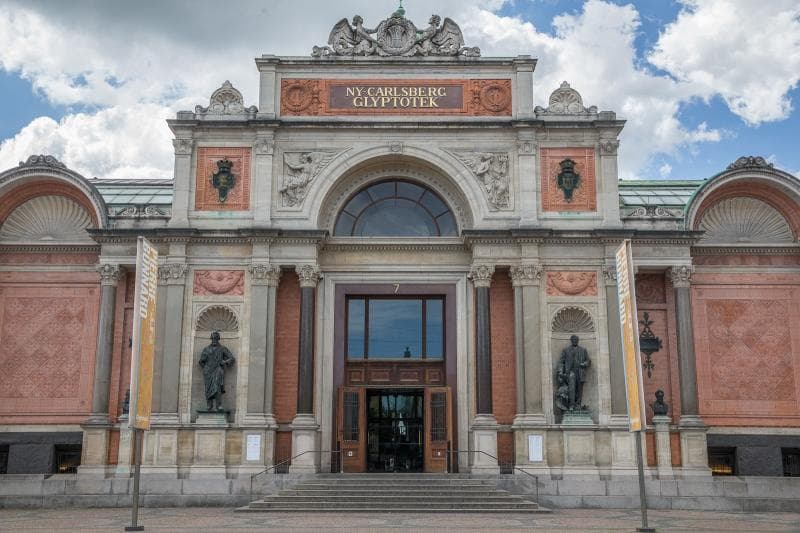
Discover Palm Court, the stunning tropical Winter Garden at Ny Carlsberg Glyptotek in Copenhagen, Denmark. A serene oasis of palms and art.
Overview
Nestled within the magnificent Ny Carlsberg Glyptotek in Copenhagen, Denmark, lies the enchanting Palm Court, often referred to as the Winter Garden. This architectural marvel is far more than just a transitional space; it serves as the verdant heart of the museum, offering a serene escape and a unique blend of natural beauty and artistic grandeur. Bathed in natural light filtering through its iconic glass dome, the Palm Court creates an atmosphere of tranquility, transporting visitors to a Mediterranean oasis amidst the Danish capital. It is a place where towering palms reach towards the sky, surrounding a graceful fountain, inviting contemplation and a pause from the museum's extensive art collections.
The Palm Court stands as a testament to the vision of Carl Jacobsen, the museum's founder, who intended the Glyptotek to be a cultural haven where art could be enjoyed in a relaxed and uplifting environment. It seamlessly connects the museum's distinct architectural wings, unifying ancient and modern art under one spectacular roof.
History & Cultural Background
The story of the Palm Court is intrinsically linked to the ambitious vision of Carl Jacobsen, the renowned brewer and passionate art collector behind the Carlsberg Breweries. After donating his impressive art collection to the Danish State and the City of Copenhagen in 1888, the Ny Carlsberg Glyptotek opened its doors in 1897.
The Winter Garden, as we know it today, was a significant addition inaugurated in 1906, connecting the original Dahlerup Wing with the newer Kampmann Wing. Architect Vilhelm Dahlerup, who also designed the initial museum building, was responsible for the Palm Court's distinctive design. Jacobsen's intent was to create an 'oasis for the people of Copenhagen,' a place where the greenery could draw people in and encourage them to reflect on the art. His initial private residence already featured a winter garden where sculptures soon outnumbered plants, setting a precedent for the museum's grander version.
What Makes It Special
What truly sets the Palm Court apart is its stunning architectural and botanical synthesis. At its core is a magnificent glass dome, allowing an abundance of natural light to flood the space and illuminate the lush, tropical foliage below. This design reflects Jacobsen's commitment to a 'daylight museum,' where art could be appreciated under natural illumination.
Beneath the soaring dome, visitors encounter a vibrant collection of plants, most notably the majestic Canary date palms, some of which reportedly originated from Carl Jacobsen's own mother's winter garden. These towering palms, along with other exotic flora, create a sub-tropical climate, evoking the Mediterranean regions from which many of the museum's ancient artworks hail. A central fountain, adorned with Kai Nielsen's evocative sculpture 'The Water Mother,' adds a soothing auditory element to the visual splendor, while intricate mosaic floors complete the sensory experience.
Stories, Fun Facts & Local Details
Carl Jacobsen envisioned the Glyptotek not merely as a repository for art but as a 'Temple of Beauty,' an oasis where visitors could find both aesthetic pleasure and intellectual stimulation. The Palm Court embodies this philosophy perfectly. It's said that Jacobsen wanted the green space to entice people, and once drawn in by the palms, they might also give thought to the statues surrounding them.
Interestingly, the grand dome that now crowns the Palm Court was initially planned to be constructed in stone. However, the decision was made to use glass, a choice that proved pivotal in defining the unique character and light-filled ambiance of the space. The large Canary date palms, which are such a dominant feature, have a personal connection to the Jacobsen family, having been transplanted from his mother's winter garden in Valby. This detail adds a layer of intimate history to the grand public space.
Today, the Palm Court continues to serve as a beloved gathering spot, sometimes hosting official meetings and banquets, further cementing its role as a significant cultural landmark beyond its daily function as a tranquil museum space.
Visitor Perspective
For many visitors to the Ny Carlsberg Glyptotek, the Palm Court is an unforgettable highlight, a place to decompress and recharge amidst the profound experience of encountering ancient and modern art. Stepping into this enclosed garden feels like entering another world, a peaceful sanctuary from the urban bustle of Copenhagen.
The gentle murmur of the fountain, the rustle of palm leaves, and the soft, diffused light create an almost meditative environment, perfect for quiet reflection. Visitors often find themselves drawn to the Café Picnic located within the Palm Court, where they can enjoy a coffee or a light meal surrounded by tropical greenery. It's a natural starting or ending point for a museum visit, providing a unique architectural and sensory experience that complements the artistic journey through the Glyptotek's impressive collections of Egyptian, Greek, Roman, and French Impressionist art.
Coordinates: 12.5719, 55.6725
View on Google Maps💬 How Travelers Describe This Place
Based on community votes
Interesting
953Beautiful
695Photogenic
658Must See
396Unique
22
Traveler Stories
Discover memorable experiences shared by travelers who have visited this place.
No traveler stories yet.
Be the first traveler to share what made this place memorable.

Tour
By
Spot
Discover amazing places around the world. Your journey starts here.
Explore
© 2026 TourBySpot. All rights reserved.