Palazzo Vecchio
Florence, Italy
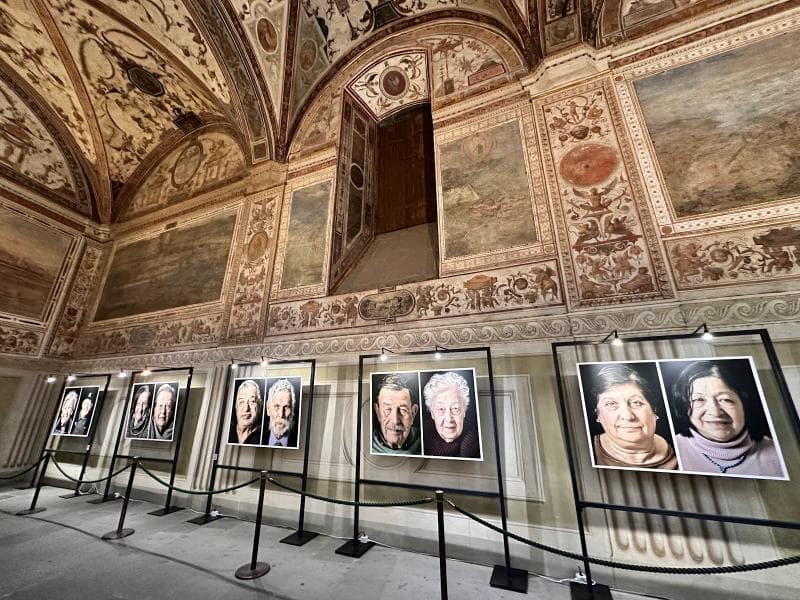
Explore Palazzo Vecchio in Florence, Italy, a historic palace and museum in Piazza della Signoria, rich in Medici history and Renaissance art.
Overview
Palazzo Vecchio, situated within the historic Piazza della Signoria in Florence, Italy, stands as a testament to the city's rich and complex past. This imposing building, with its distinctive crenellated tower, has been at the heart of Florentine political life for centuries. It served as the seat of the Florentine Republic, then as the Medici family residence, and continues today as the city's town hall and a significant museum. Its robust architecture and strategic location in the piazza make it an undeniable symbol of Florence's power and artistic legacy.
History & Cultural Background
Construction of Palazzo Vecchio began in 1299, designed by Arnolfo di Cambio, to house the Priori, the highest magistrates of the Florentine Republic. The building's original purpose was to project the strength and independence of the republic. Over the centuries, it underwent various transformations and expansions, most notably under the patronage of the Medici family. Cosimo I de' Medici, in particular, converted it into a luxurious ducal palace in the mid-16th century, moving his court here from Palazzo Medici. Giorgio Vasari was instrumental in this redesign, creating grand apartments and the famous Salone dei Cinquecento, adorned with frescoes celebrating Florentine victories and Medici rule. This shift from a civic building to a ducal residence profoundly shaped its interior, intertwining political power with artistic grandeur.
What Makes It Special
What sets Palazzo Vecchio apart is its multi-layered history, visible in its architecture and extensive art collections. It's not just a beautiful building; it's a living archive of Florentine governance, art, and ambition. The magnificent Salone dei Cinquecento, with its sheer scale and breathtaking frescoes by Vasari, remains a highlight, originally intended for meetings of the Great Council. Donatello's 'Judith and Holofernes' and Michelangelo's 'David' once stood proudly outside, embodying civic virtues, underscoring the palace's role as a public stage for political and artistic statements. The private apartments of the Medici, including the exquisite Studiolo of Francesco I, offer an intimate glimpse into the lives of one of history's most powerful families. The tower, Torre di Arnolfo, provides unparalleled panoramic views of Florence, offering a unique perspective on the city the palace once governed.
Stories, Fun Facts & Local Details
Palazzo Vecchio is steeped in fascinating stories. Legend has it that the tower was built atop the ruins of an older tower belonging to the Ghibelline Foraboschi family, its base deliberately off-center due to political spite. Inside, in the Salone dei Cinquecento, Vasari cleverly hid a message: a small green flag bearing the words 'Cerca Trova' (Seek and You Shall Find) amidst a battle scene, believed by some to conceal Leonardo da Vinci's lost fresco, 'The Battle of Anghiari.' Furthermore, the palace features a secret passage, known as the 'Passetto di Cosimo I,' connecting it to the Pitti Palace across the Arno, used by the Medici family to move discreetly and escape danger. Even today, the palace serves as Florence's city hall, demonstrating its enduring relevance and connection to contemporary Florentine life.
Visitor Perspective
Visiting Palazzo Vecchio offers a compelling journey through Florentine history. Travelers can explore the lavish state apartments, admire masterpieces of Renaissance art, and delve into the political intrigues of the past. Start your visit in Piazza della Signoria, where a replica of Michelangelo's 'David' stands guard, and the Loggia dei Lanzi displays classical sculptures. Inside, allow ample time for the Salone dei Cinquecento and the richly decorated Medici apartments. Consider climbing the Arnolfo Tower for breathtaking views, but be aware of the many steps. Guided tours are highly recommended to uncover the palace's many secrets and stories, providing deeper context to its art and architecture. The combination of its historical weight, artistic treasures, and ongoing civic function makes Palazzo Vecchio an essential stop for any curious traveler to Florence.
Coordinates: 11.2562, 43.7693
View on Google Maps💬 How Travelers Describe This Place
Based on community votes
Must See
950Beautiful
287Photogenic
255Unique
231Interesting
86
Traveler Stories
Discover memorable experiences shared by travelers who have visited this place.
No traveler stories yet.
Be the first traveler to share what made this place memorable.

Tour
By
Spot
Discover amazing places around the world. Your journey starts here.
Explore
© 2026 TourBySpot. All rights reserved.