Palau de la Virreina
Barcelona, Spain
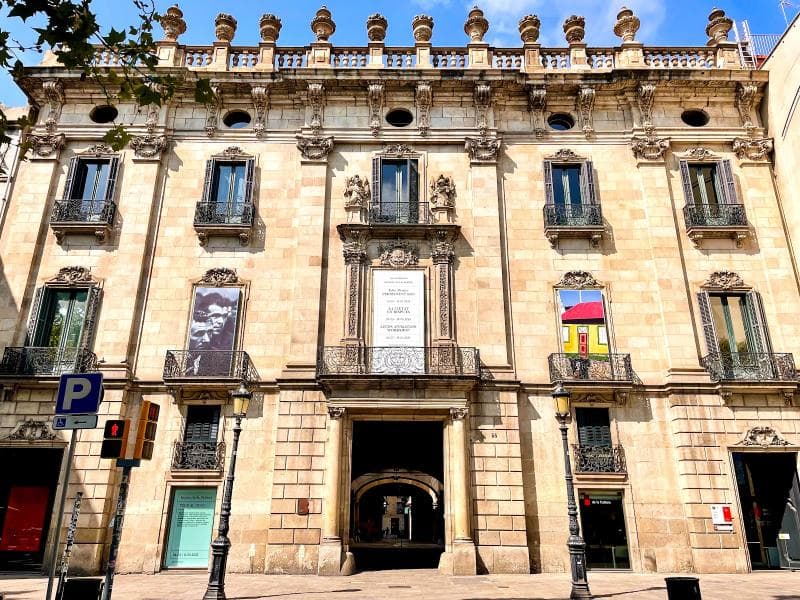
Discover Palau de la Virreina, a Baroque gem on La Rambla, Barcelona, Spain. Explore its history, unique architecture, and free art exhibitions.
Overview
Nestled along the vibrant artery of La Rambla in Barcelona, the Palau de la Virreina stands as a distinguished example of civil Baroque architecture. This elegant mansion, often recognized for its unique blend of Catalan Baroque and French classicism, offers a quiet respite from the bustling street outside. Today, it serves as the headquarters for Barcelona City Council's Institute of Culture and is home to La Virreina Centre de la Imatge, a dynamic cultural space dedicated to contemporary visual arts. Visitors can explore its grand interiors and rotating exhibitions, which typically focus on photography, art, and literature, all with free admission.
History & Cultural Background
The history of Palau de la Virreina begins in the late 18th century, with its construction taking place between 1772 and 1778. It was commissioned by Manuel d'Amat i de Junyent, a prominent figure who served as the Viceroy of Peru from 1761 to 1776 and also held the title of Marquis of Castellbell. The original design is attributed to architect Josep Ribes, with master builder Josep Ausich i Mir overseeing its construction. However, other sources widely credit the architect and sculptor Carles Grau, who also contributed to its decorative elements. Ironically, Viceroy Amat passed away shortly after the palace's completion, meaning he did not enjoy his magnificent new residence for long. It was his widow, Maria Francesca de Fiveller de Clasquerí i de Bru, who lived in the palace for many years, leading to the building becoming popularly known as the 'Palace of the Vicereine' (Palau de la Virreina in Catalan).
Over the centuries, the palace underwent several transformations. In 1944, the Barcelona City Council acquired the property. It subsequently housed various museums, including the Museum of Decorative Arts, the Cambó Collection, and postal and numismatic museums. By 1986, it became the seat of the city's Cultural Department. Since 2008, it has operated as La Virreina Centre de la Imatge, a cultural center focused on the world of images. The palace was officially declared a Catalan Cultural Asset of National Interest in 1941, underscoring its significant historical and architectural value.
What Makes It Special
Palau de la Virreina distinguishes itself with an architectural style that was quite unusual for Barcelona at the time: a sophisticated blend of Baroque and Rococo, with touches of French classicism. Its grandeur is immediately apparent in its striking façade along La Rambla, adorned with ornate balconies, elegant pillars, and crowned by a prominent balustrade featuring twelve decorative urns. Inside, visitors are greeted by a magnificent vaulted vestibule that leads to a central courtyard. One of the most captivating features is the original double staircase, a work attributed to sculptor Carles Grau, which majestically ascends to the main floor.
Beyond its architectural splendor, the palace holds a unique cultural role. It serves as a permanent home for Barcelona's beloved 'Gegants de la Ciutat' (Giants of the City) when they are not participating in the city's festive parades. These oversized papier-mâché figures, representing historical monarchs like King James I of Aragon and his wife Violant of Hungary, are cherished cultural symbols. The palace's commitment to contemporary art and photography, juxtaposed within such a historic setting, creates a compelling and thought-provoking visitor experience.
Stories, Fun Facts & Local Details
The very name 'Virreina' tells a fascinating story, directly linked to Viceroy Manuel d'Amat's widow, Maria Francesca. Though the Viceroy intended the palace as his grand Barcelona residence, it was his wife who truly made it her home after his early demise, giving rise to its popular name. A romantic, albeit less substantiated, legend suggests that the Viceroy might have originally intended the palace for his mistress, Micaela Villegas, famously known as 'La Perrichola,' from Lima. While a charming tale, it is Maria Francesca's long residency that cemented the palace's identity.
Another delightful local detail is found at the palace's rear. Its other façade overlooks Plaça de Sant Galdric, a square locally known as 'Plaça de les Pageses' (Square of the Peasant Women). This name harks back to a time when farmers' wives from nearby towns would set up stalls here to sell their fresh fruits and vegetables, connecting the grand palace to the everyday life of Barcelona's past. The Palau de la Virreina also plays a central role in the annual 'Festes del Roser,' also called the 'Festa Major de la Rambla,' celebrated every October.
Visitor Perspective
Visiting Palau de la Virreina offers an enriching cultural experience that is both accessible and engaging. The palace is open to the public from Tuesday to Sunday, typically between 12:00 and 20:00, with free admission year-round. It is closed on January 1, May 1, December 25, and December 26. The Centre de la Imatge often provides free guided tours of its exhibitions on a weekly basis, and these usually do not require prior booking, offering a fantastic opportunity for deeper engagement with the presented works. The palace is conveniently located on La Rambla, making it easily reachable by public transport, with metro stops Liceu and Plaça Catalunya (L3) nearby. Its inner courtyard provides a tranquil space, a welcome break from the vibrant energy of La Rambla. For those with mobility needs, the building offers wheelchair lift access.
Coordinates: 2.171667, 41.382492
View on Google Maps💬 How Travelers Describe This Place
Based on community votes
Must See
836Unique
795Photogenic
536Beautiful
522Interesting
489
Traveler Stories
Discover memorable experiences shared by travelers who have visited this place.
No traveler stories yet.
Be the first traveler to share what made this place memorable.

Tour
By
Spot
Discover amazing places around the world. Your journey starts here.
Explore
© 2026 TourBySpot. All rights reserved.