Palace Of Heavenly Purity
Beijing, China
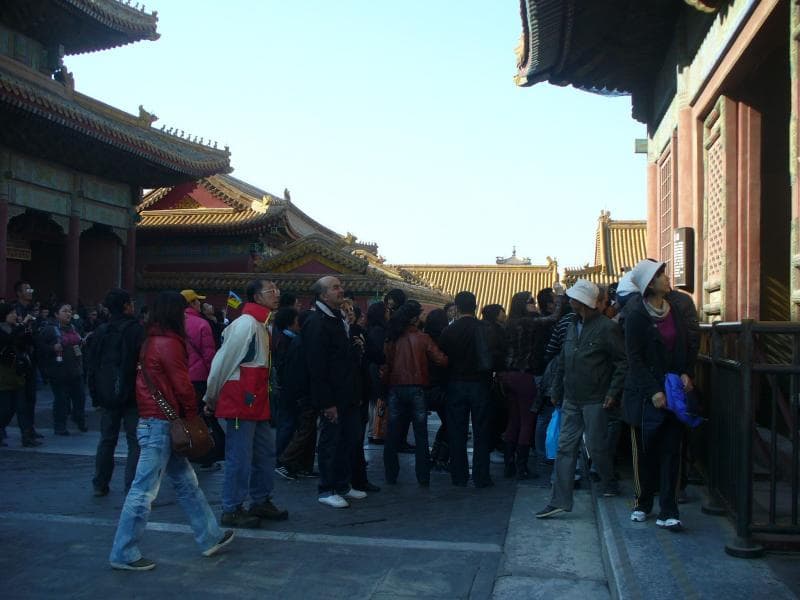
Explore Beijing's Palace of Heavenly Purity in the Forbidden City. Uncover its imperial history, unique architecture, and fascinating tales of emperors.
Overview
The Palace of Heavenly Purity, also known as Qianqinggong, stands as a cornerstone of the Inner Court within Beijing's magnificent Forbidden City. This grand structure served as a vital hub of imperial life, holding immense significance as both a private residence and a public audience hall for many Chinese emperors. Its majestic presence embodies centuries of dynastic power and cultural heritage, inviting visitors to step into a bygone era of unparalleled grandeur.
History & Cultural Background
Originally constructed in 1420 during the early Ming dynasty, the Palace of Heavenly Purity initially functioned as the emperor's primary living quarters. It was a spacious domain, reportedly featuring nine rooms across two levels and a remarkable 27 beds, a measure believed to offer security against assassination. This arrangement persisted through the early Qing dynasty. However, a significant shift occurred in the early 18th century when the Yongzheng Emperor, upon ascending the throne, chose to reside in the smaller Hall of Mental Cultivation. From this point onward, the Palace of Heavenly Purity transitioned from a private residence to a prominent venue for state affairs. It became the main setting where emperors held court, received ministers and foreign emissaries, and hosted important banquets. The palace has faced numerous challenges, including at least five fires, with its current form largely a restoration from 1798.
What Makes It Special
Architecturally, the Palace of Heavenly Purity is a masterpiece of imperial design. It boasts a distinguished double-eaved hipped roof, a feature reserved for China's most important buildings, covered in symbolic yellow glazed tiles. The eaves corners are adorned with nine ridge animals, signifying its prestige, though it is one shy of the Hall of Supreme Harmony's ten. It is the largest palace within the Inner Court, reflecting its supreme status in the emperor's private domain. Inside, the main hall features a majestic dragon throne, set atop an elaborate platform, behind which stands a gilded screen. Above the throne, a prominent plaque inscribed with four characters, 'Zhengda Guangming', meaning 'Let the Righteous Shine' or 'Integrity and Brightness', serves as a powerful symbol of imperial virtue and justice.
Stories, Fun Facts & Local Details
The Palace of Heavenly Purity is steeped in intriguing stories. The tale of the 27 beds, allowing the emperor to choose a different one each night for security, highlights the constant threat of palace intrigue. Perhaps the most compelling is the secret succession system initiated by the Yongzheng Emperor. To prevent disputes among potential heirs, the designated successor's name was written on an edict and secretly placed in a box behind the 'Zhengda Guangming' plaque, with a second copy carried by the emperor. This clandestine method ensured a smoother transition of power. Another memorable anecdote involves Emperor Zhengde's rather nonchalant reaction to a fire in 1514 that engulfed the palace during a lantern festival. He reportedly quipped, 'What a grand fireworks display this is!', a remark that came to symbolize his reign's indulgence. The palace also hosted significant events like the 'Banquet for a Thousand Elders' during the Kangxi and Qianlong reigns, where thousands of elders were invited to feast, demonstrating imperial benevolence and prosperity. It was also notable as one of the few palaces where foreign dignitaries and emissaries were received by the emperor.
Visitor Perspective
Walking through the Gate of Heavenly Purity and entering the palace feels like stepping directly into the heart of imperial China. The sheer scale and intricate details of the architecture immediately command respect and wonder. Standing before the dragon throne, one can almost hear the echoes of ancient court sessions, the rustle of official robes, and the hushed discussions of state affairs. Imagining the emperors living, working, and making pivotal decisions within these very walls provides a profound connection to history. The vivid stories, from the emperor's secret sleeping arrangements to the hidden succession edicts, transform a grand building into a vibrant narrative of power, tradition, and human drama. It is not merely a collection of rooms but a living testament to the ebb and flow of China's imperial past.
Coordinates: 116.39075, 39.91877
View on Google Maps💬 How Travelers Describe This Place
Based on community votes
Interesting
540Beautiful
470Unique
410Must See
254Photogenic
114
Traveler Stories
Discover memorable experiences shared by travelers who have visited this place.
No traveler stories yet.
Be the first traveler to share what made this place memorable.

Tour
By
Spot
Discover amazing places around the world. Your journey starts here.
Explore
© 2026 TourBySpot. All rights reserved.