Palace Of Culture
Tirana, Albania
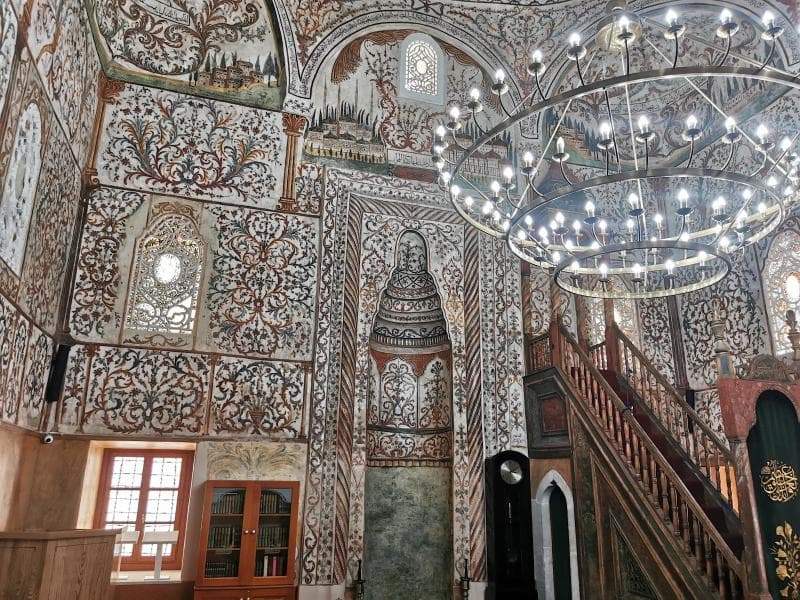
Explore the Palace of Culture in Tirana, Albania, a historic landmark in Skanderbeg Square housing the National Library and Opera.
Overview
In the vibrant heart of Tirana, Albania, stands the imposing Palace of Culture, a significant landmark nestled within the expansive Skanderbeg Square. This monumental structure serves as a central pillar of the city's cultural life, instantly recognizable by its distinctive mid-20th century architectural style. More than just a building, it embodies a complex tapestry of Albania's past and present, offering a unique window into the nation's artistic and historical journey. Visitors to Tirana often find themselves drawn to its prominent position, a testament to its enduring role in the cityscape.
Today, the Palace of Culture is home to two of Albania's most prestigious cultural institutions: the National Library of Albania and the National Theatre of Opera and Ballet. Beyond these, it also features various exhibition spaces, shops, and even a bookstore, making it a dynamic hub for both locals and travelers seeking to engage with Albanian arts and intellectual life. Its location in Skanderbeg Square places it amidst other key historical and modern sites, cementing its status as an unmissable destination for those exploring Tirana.
History & Cultural Background
The history of the Palace of Culture is deeply intertwined with Albania's socialist era and its relationship with the Soviet Union. Construction commenced in 1959, a pivotal moment in the nation's post-World War II development. The symbolic laying of the foundation stone by Soviet leader Nikita Khrushchev in 1959 underscored the close ties between the two countries at the time, with the building initially conceived as a gift from the Soviet people to Albania.
However, the project's journey was not straightforward. Following the Soviet-Albanian split in 1961, construction continued under the guidance of Albanian architects and engineers, showcasing national resilience and determination. The Palace was ultimately completed in 1963 (with some sources indicating 1966), rising on the site of Tirana's historic Old Bazaar and a 19th-century Ottoman mosque, both of which were demolished to make way for the new communist-era edifice. This act symbolized a dramatic shift from past heritage to a new, ideologically driven architectural landscape, reflecting Albania's strict state atheism and commitment to socialist values.
What Makes It Special
The Palace of Culture stands out due to its striking Socialist Realism architectural style, a prevalent design ethos in Eastern Europe during the communist era. Characterized by its grand scale, monumental concrete design, and emphasis on symmetry, the building was envisioned to project strength and stability. Its facade features towering columns and grand arches, contributing to an imposing yet significant presence on Skanderbeg Square.
What makes this Palace particularly special is its unique fusion of Soviet monumentalism with distinct Albanian motifs. Decorative elements, including reliefs and sculptures, are often inspired by Albanian folklore, national heroes, and historical scenes. This blend nurtured a sense of national pride while aligning with the ideological standards of the era, creating a building that is both a symbol of a past political system and a tribute to Albanian identity. Inside, the presence of the National Library and the National Theatre of Opera and Ballet transforms it into a vibrant cultural hub, critical to Albania's artistic and intellectual scene.
Stories, Fun Facts & Local Details
One of the most compelling stories associated with the Palace of Culture is the continuity of its construction despite significant geopolitical shifts. The initial gift from the Soviet Union turned into a purely Albanian endeavor after the 1961 split, with local architects and engineers courageously taking over to complete the project without the original Soviet plans or materials. This act of perseverance speaks volumes about the determination of the Albanian people during a challenging period.
The Palace's location also holds a poignant historical detail: it replaced the Old Bazaar, a bustling marketplace that had been a fixture of Tirana's urban fabric for centuries, alongside a significant mosque. This transformation highlights the dramatic restructuring of Albanian society and urban planning under the communist regime. Today, the Palace remains a resilient monument, having witnessed Albania's transition from a socialist state to a modern cultural center, continuously reflecting the nation's evolving identity.
Visitor Perspective
For any traveler exploring Tirana, the Palace of Culture offers a rich and accessible cultural experience. Its central location on Skanderbeg Square means it's easily reached and often integrated into city walking tours. Visitors can immerse themselves in the quiet, scholarly atmosphere of the National Library of Albania, which houses extensive collections and archival materials, providing a thoughtful study of the country's cultural code.
Alternatively, experiencing a performance at the National Theatre of Opera and Ballet is a highlight for many. The theatre regularly hosts world-class productions, allowing guests to enjoy magnificent acoustics and the skill of Albanian performers. The building's interior also often features various exhibition spaces, showcasing works by contemporary artists or hosting thematic educational events. While the building's exterior presents a solemn, imposing aesthetic, its interior hums with the intellectual and artistic rhythm of Tirana, inviting visitors to connect with Albania's vibrant cultural pulse.
Coordinates: 19.81944, 41.32889
View on Google Maps💬 How Travelers Describe This Place
Based on community votes
Unique
898Interesting
667Must See
618Beautiful
308Photogenic
32
Traveler Stories
Discover memorable experiences shared by travelers who have visited this place.
No traveler stories yet.
Be the first traveler to share what made this place memorable.

Tour
By
Spot
Discover amazing places around the world. Your journey starts here.
Explore
© 2026 TourBySpot. All rights reserved.