Palace Gardens
Munich, Germany
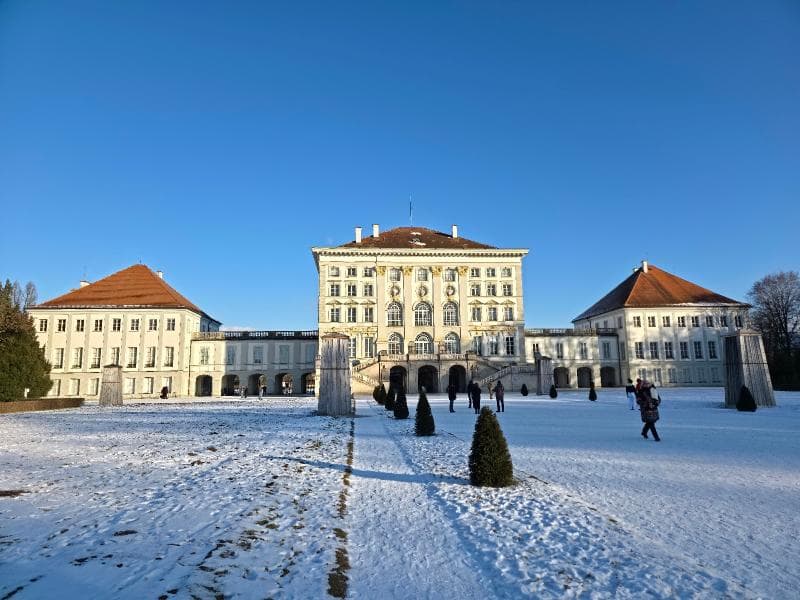
Explore Nymphenburg Palace Gardens in Munich, Germany, a stunning blend of Baroque and English landscape design with historic park palaces and serene waterways.
Overview
Nestled within the grand Nymphenburg Palace in Munich, Germany, the Palace Gardens, also known as Schlosspark Nymphenburg, stand as an expansive masterpiece of garden design. Spanning an impressive 180 to 229 hectares, this green oasis seamlessly blends formal Baroque elements with the naturalistic charm of an English landscape park. It is one of Europe's premier royal parks, offering visitors a tranquil escape with its intricate canal system, serene lakes, and a collection of enchanting 'park palaces' nestled amidst lush greenery.
History & Cultural Background
The origins of the Nymphenburg Palace Gardens date back to the late 17th century. Commissioned in 1664 by Elector Ferdinand Maria and his wife Henriette Adelaide of Savoy to celebrate the birth of their long-awaited son, Max Emanuel, the initial design reflected a strict Baroque style. Early architects like Charles Carbonet, Dominique Girard, and Joseph Effner contributed to its Baroque grandeur, featuring axial-symmetrical layouts and elaborate parterres. By the early 19th century, the park underwent a significant transformation. Under the vision of Friedrich Ludwig von Sckell, it evolved into a Romantic landscape park, incorporating winding paths, picturesque lakes, and ornamental groves that softened the earlier formal geometry. Culturally, these gardens were more than just aesthetic adornments; in the Baroque era, they were regarded as therapeutic environments, designed for physical well-being and mental rejuvenation. They even served as outdoor laboratories for botanical specimens, reflecting the Enlightenment's emphasis on empirical observation and the medical utility of plants.
What Makes It Special
The unique allure of the Nymphenburg Palace Gardens lies in its harmonious juxtaposition of contrasting styles. It masterfully combines the strict, symmetrical grandeur of French Baroque gardens with the natural, flowing lines of an English landscape park. A defining feature is its elaborate water system, comprising a grand central canal that allows for seasonal gondola rides, two significant artificial lakes—Badenburg Lake and Pagodenburg Lake—and numerous fountains that bring a dynamic liveliness to the landscape. Beyond the water features, the park is dotted with exquisite small architectural marvels, often referred to as 'park palaces'. These include the Amalienburg, a stunning Rococo hunting lodge; the Badenburg, a Baroque pavilion featuring a historic bathing pool; the Pagodenburg, an exotic structure adorned with Chinoiserie decorations; and the Magdalenenklause, an artificial ruin designed for quiet contemplation and meditation. The sheer scale of the park offers vast areas for exploration, allowing visitors to feel truly immersed in nature, far removed from the urban bustle of Munich.
Stories, Fun Facts & Local Details
The Nymphenburg Palace Gardens hold many intriguing tales and local charms. One delightful activity, available during warmer months (typically April to October), is a gondola ride along the central canal, offering a unique perspective of the palace and its surroundings. The palace itself is famous as the birthplace of the 'fairy tale king,' Ludwig II of Bavaria, who later commissioned the iconic Neuschwanstein Castle. Despite its cultivated appearance, the park is also a vibrant ecosystem, home to a surprising array of wildlife, including beavers, deer, and even adders. Historically, the park's accessibility evolved over time; Elector Karl Theodor famously opened the Nymphenburg Palace Park to the public in the late 18th century, transforming it into a cherished recreational space for all. Today, it continues to be a vital green sanctuary within Munich, deeply integrated into the city's identity and offering a blend of history, nature, and relaxation.
Visitor Perspective
Visiting the Nymphenburg Palace Gardens is a rewarding experience, offering a blend of natural beauty and historical grandeur. Importantly, admission to the park itself is free, making it an accessible retreat for everyone. While the park's main gates are generally open from 6 am, closing times vary seasonally, typically extending later in the summer months. To witness the enchanting water features in full glory, plan your visit between Easter and mid-October, as the historical fountains usually operate for several hours each day within these periods. Given its vast size, it's highly recommended to allocate a significant portion of your day, or even a full day, to explore the gardens thoroughly. The park is well-equipped for visitors, including barrier-free restrooms. Reaching the gardens is convenient, with public transport options such as trams and buses connecting directly to 'Schloss Nymphenburg' or a short transfer from 'Romanplatz'.
Coordinates: 11.5036, 48.1581
View on Google Maps💬 How Travelers Describe This Place
Based on community votes
Beautiful
791Photogenic
613Unique
514Must See
457Interesting
207
Traveler Stories
Discover memorable experiences shared by travelers who have visited this place.
No traveler stories yet.
Be the first traveler to share what made this place memorable.

Tour
By
Spot
Discover amazing places around the world. Your journey starts here.
Explore
© 2026 TourBySpot. All rights reserved.