Palace Gardens
Graz, Austria
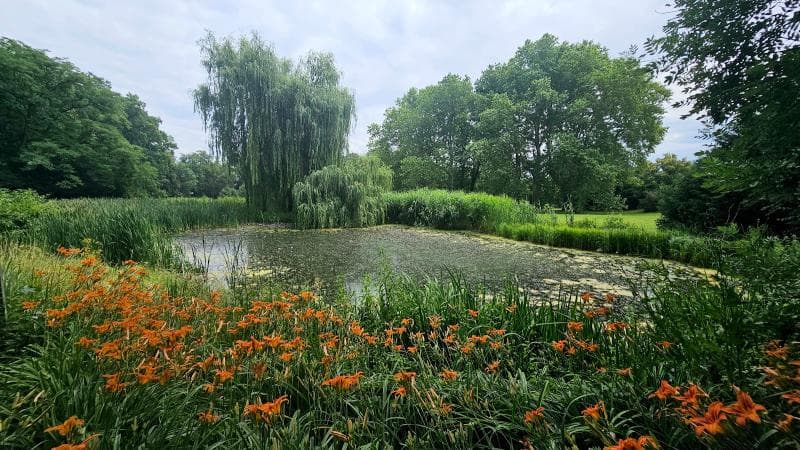
Explore the historic Palace Gardens of Eggenberg Palace in Graz, Austria. Discover its evolution from Baroque to English landscape, resident peacocks, and serene beauty. A UNESCO World Heritage Site.
Overview
Nestled on the western edge of Graz, Austria, the Palace Gardens of Eggenberg offer a tranquil and historically rich escape, forming an integral part of the magnificent Eggenberg Palace complex. This sprawling green oasis, along with the Baroque palace, holds the distinguished title of a UNESCO World Heritage Site, recognized for its exceptional cultural value and seamless integration of architecture and nature. Visitors to the gardens are invited to wander through a meticulously designed landscape that has evolved over centuries, reflecting changing tastes and ideals. More than just a park, these gardens are a living testament to history, art, and the enduring human desire to shape nature into a reflection of beauty and philosophy.
The Palace Gardens are characterized by their expansive lawns, mature trees, and picturesque woodland sceneries, offering a serene counterpoint to the city. They are open year-round, providing a peaceful retreat for both locals and travelers seeking beauty and repose. The grounds also serve as home to free-roaming peacocks, adding a vibrant splash of color and a touch of exotic charm to the historic setting.
History & Cultural Background
The history of the Eggenberg Palace Gardens is as rich and layered as the palace itself, tracing its origins back to the early 17th century. Initially, the gardens surrounding Schloss Eggenberg were conceived in a formal Baroque style, featuring elaborate boxwood 'parterres de broderie' and tall clipped hedge walls. These early designs were a reflection of the precise and ordered worldview of the Baroque era, mirroring the cosmological symbolism embedded within the palace's architecture.
However, the 19th century brought a significant transformation. After 1810, under the patronage of Johann Hieronymus Count Herberstein and his wife Marie Henriette, the formal Baroque gardens began their metamorphosis into a romantic English landscape garden. This redesign, heavily influenced by the romantic ideals of the period, aimed to create a 'perfect landscape painting'—an idealized portrayal of nature in all its diversity. Straight alleys and geometric hedges gave way to winding paths, shrubberies of exotic plants, and carefully placed architectural features, all designed to evoke a sense of natural, unconstrained beauty. This shift from a rigid, formal system to an artistic interpretation of nature marks a pivotal cultural moment, showcasing the evolving relationship between humanity and the natural world.
What Makes It Special
What truly sets the Palace Gardens apart is their remarkable blend of historical evolution and enduring beauty. The transformation from a strict Baroque design to a more fluid English landscape style demonstrates a fascinating shift in aesthetic values over time. Today, visitors experience the mature English landscape garden, considered one of Austria's most precious garden monuments. The design incorporates picturesque woodland groves, sweeping lawns, and delightful ponds, creating magnificent vistas around every turn.
Among its distinct features is the Rose Mound, an artificial hill created after 1833, designed as a vantage point and simultaneously serving as a rose garden. In June, the 'old roses' burst into bloom, offering an extraordinary 'garden caprice' that harks back to the Biedermeier period. Furthermore, the Planetary Garden, designed in 1999/2000, playfully connects to the palace's historical context, drawing on the age-old planetary doctrine of signatures. And, of course, the free-roaming peacocks, with their majestic plumage, provide an enchanting and iconic presence, making a stroll through the park a truly unique experience.
Stories, Fun Facts & Local Details
The story of the gardens is deeply intertwined with the aristocratic families who owned Eggenberg Palace. The Herberstein family, who inherited the palace, were instrumental in shaping the gardens into the English landscape style we largely see today. They saw the Baroque garden as too rigid and sought to recreate nature's diversity, leading to the ambitious project of redesigning the grounds.
A fun detail is the continuous presence of peacocks, which have become synonymous with Eggenberg. These splendid birds roam freely, delighting visitors with their striking appearance and occasional calls. Their presence adds a lively, almost fairytale-like quality to the historical ambiance. Another intriguing aspect is the garden's connection to the palace's cosmological theme. While the palace itself is an architectural allegory of the universe, with 365 exterior windows representing days of the year, and 24 state rooms for the hours, the gardens, particularly the Planetary Garden, extend this celestial concept into the natural realm. This thoughtful design creates a harmonious experience, where the orderly cosmos of the palace extends into the natural beauty of its surroundings.
Visitor Perspective
For the curious traveler, visiting the Palace Gardens is an absolute must when in Graz. The park offers a serene environment for leisurely strolls, contemplation, and enjoying nature's artistry. It's an ideal spot for those who appreciate historical landscapes and a quiet escape from urban bustle. The gardens are generally accessible throughout the year, with specific opening hours depending on the season. While the palace state rooms require a guided tour, the gardens can be explored independently, allowing visitors to set their own pace and discover hidden gems. It is recommended to allow at least two to three hours to explore both the palace and its extensive gardens thoroughly, though many visitors choose to linger longer, perhaps enjoying a moment of rest on a bench or watching the peacocks strut by. Whether you're seeking a historical lesson, a peaceful walk, or simply a beautiful backdrop for reflection, the Eggenberg Palace Gardens provide an enriching and memorable experience.
Coordinates: 15.39129, 47.07389
View on Google Maps💬 How Travelers Describe This Place
Based on community votes
Unique
996Photogenic
673Beautiful
585Interesting
143Must See
69
Traveler Stories
Discover memorable experiences shared by travelers who have visited this place.
No traveler stories yet.
Be the first traveler to share what made this place memorable.

Tour
By
Spot
Discover amazing places around the world. Your journey starts here.
Explore
© 2026 TourBySpot. All rights reserved.