Palace Garden
Lviv, Ukraine
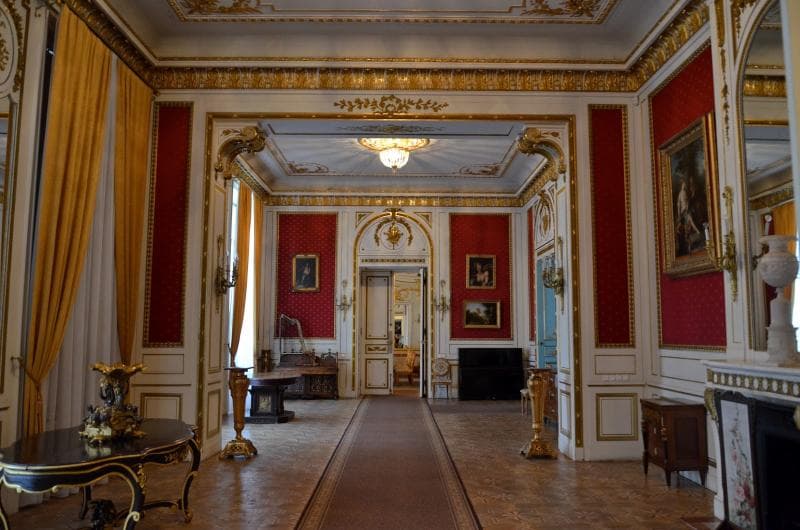
Explore the serene Palace Garden at Potocki Palace in Lviv, Ukraine. Discover its French design, rare trees, and rich history as an aristocratic retreat.
Overview
Nestled beside the magnificent Potocki Palace in Lviv, Ukraine, the Palace Garden offers a tranquil retreat from the city's vibrant rhythm. While not as expansive as it once was, this charming green space remains an essential complement to the palace's French architectural grandeur. Designed to harmonize with the opulent residence, the garden provides visitors with a peaceful setting for reflection and an opportunity to appreciate the palace from an outdoor perspective. It serves as a living legacy of the Potocki family's taste and the European aesthetic that shaped this corner of Lviv.
History & Cultural Background
The origins of the Palace Garden are deeply intertwined with the construction of the Potocki Palace itself, built between 1888 and 1890 as the urban residence for Alfred Józef Potocki, a prominent Austrian politician and Governor of Galicia. Potocki, known for his admiration of French culture, envisioned a palace that echoed the grand residences of King Louis XIV, and a formal garden was an integral part of this vision.
Initially, the palace was surrounded by a considerably 'large city park,' a testament to the aristocratic lifestyle of the late 19th century, where such green spaces were crucial for leisure and social gatherings. This original parkland featured a 'French regular garden' layout, complete with beautiful flower beds and various tree species, designed to create a harmonious landscape around the majestic building. However, the urban development of Lviv in the late 19th and early 20th centuries significantly reduced its size, as multi-storey apartment buildings began to surround the estate.
Despite these changes, the surviving elements of the garden continue to reflect the initial design philosophy, providing a glimpse into the sophisticated landscape architecture preferred by the Potocki family. The garden, much like the palace, served as a cultural statement, bridging the aristocratic traditions of Central Europe with the refined tastes of Western Europe.
What Makes It Special
What truly sets the Palace Garden apart is its enduring connection to the French architectural style of the Potocki Palace. It’s a space where precise planning, characteristic of a French regular garden, meets the natural beauty of carefully selected flora. The garden acts as a serene counterpoint to the palace's elaborate stucco, gilding, and ornate interiors, offering a breath of fresh air and a different kind of beauty.
Among its distinguishing features is the presence of rare tree species, with one notable example being the only meta-redwood in Lviv, which still graces one of its central alleys. This botanical rarity adds a unique natural element to the historical setting. The garden also houses an intriguing exposition of miniature models of castles and defensive structures from various parts of Ukraine, offering a historical and geographical overview of the country's rich heritage in a unique, accessible format.
Stories, Fun Facts & Local Details
Imagine the rustle of silk gowns and the murmur of conversations as Galicia's elite once strolled through these very gardens, perhaps enjoying an afternoon tea amidst the fragrant blossoms. The garden, in its heyday, was undoubtedly a backdrop for countless aristocratic gatherings, providing a verdant stage for the social life of the Potocki family and their esteemed guests. Though the grand balls now happen indoors, the echoes of that past elegance linger in the peaceful atmosphere of the garden.
A delightful detail for any visitor is the aforementioned meta-redwood. To find such a unique botanical specimen within a historical European-style garden in Lviv is indeed a fun fact, highlighting the diverse tastes and perhaps the early botanical interests of the palace's owners or subsequent caretakers. Additionally, the presence of the miniature castles exposition adds a playful and educational dimension, allowing visitors to discover Ukraine's fortified heritage in a scaled-down, interactive manner. This unexpected feature provides a fascinating contrast to the French classical design of the palace and its immediate garden.
Visitor Perspective
For the modern traveler, the Palace Garden offers a moment of quiet contemplation after exploring the rich art collections and lavish interiors of the Lviv National Art Gallery, housed within the Potocki Palace. It's a place to pause, to sit on a bench under the shade of an old tree, and simply absorb the beauty of the surroundings. The garden invites a leisurely stroll, allowing one to appreciate the intricate details of the palace's exterior architecture, which is best viewed from this green expanse.
It is a perfect spot for photography, capturing the elegant facade of the palace framed by seasonal blooms or ancient trees. The garden's serene ambiance provides a refreshing contrast to the bustling city, making it an ideal place to unwind and reflect on the history and culture embedded in every corner of the Potocki Palace complex. It’s a reminder that even amidst urban expansion, pockets of historical tranquility can thrive, offering beauty and a connection to a bygone era.
Coordinates: 24.026825, 49.837882
View on Google Maps💬 How Travelers Describe This Place
Based on community votes
Photogenic
910Interesting
755Must See
481Beautiful
183Unique
28
Traveler Stories
Discover memorable experiences shared by travelers who have visited this place.
No traveler stories yet.
Be the first traveler to share what made this place memorable.

Tour
By
Spot
Discover amazing places around the world. Your journey starts here.
Explore
© 2026 TourBySpot. All rights reserved.