Palace Exterior
Podgorica, Montenegro
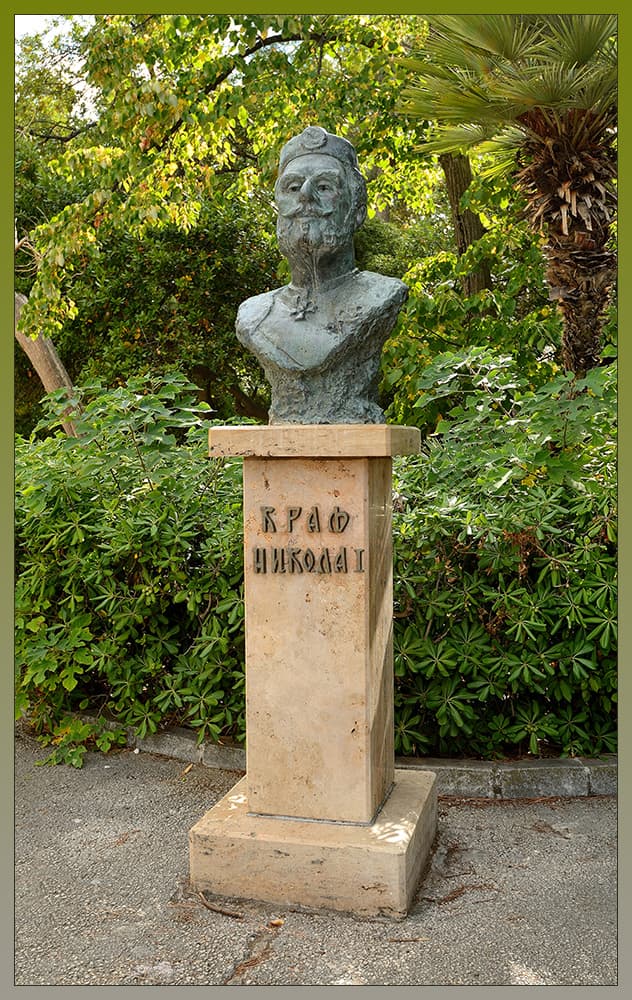
Explore the historic Palace Exterior of King Nikola's Palace in Podgorica, Montenegro. Discover its 19th-century architecture and royal history.
Overview
Nestled within the serene Kruševac Park on the right bank of the Morača River, the Palace Exterior of King Nikola's Palace in Podgorica, also known as Petrović Palace, stands as a significant cultural and historical landmark in Montenegro's capital. This elegant two-storey structure, constructed between 1891 and 1894, was originally commissioned by King Nikola I as a winter residence for his son, Prince Mirko Petrović-Njegoš. Today, the complex transcends its royal origins, serving as the esteemed Center of Contemporary Art of Montenegro, providing a unique blend of historical grandeur and modern artistic expression.
The exterior of the palace, built largely of stone, embodies a historicist architectural style, reflecting the aesthetic trends of the late 19th century. Beyond the main palace building, the complex encompasses several other structures that contribute to its distinctive character, including the House of the King's Guard, the Church of Saint Demetrius, and a beautifully landscaped botanical garden, all set within an expansive parkland.
History & Cultural Background
The construction of the Podgorica Royal Palace began shortly after Podgorica transitioned from Ottoman to Montenegrin control, with the foundation stone laid on April 20, 1891. King Nikola I envisioned it as a representative residence for his son, marking a period of significant state-building and cultural development in Montenegro. Although the architect remains unidentified, local craftsmen meticulously built the palace, with engineer Marko Đukanović overseeing the works. The main residence was completed by 1892, and the broader complex followed in 1894.
Throughout its history, the palace has adapted to the changing tides of Montenegrin society. During the Balkan Wars (1912–1913), the palace and its outbuildings were repurposed into a hospital, a function they continued to serve for several decades. In 1984, the entire complex underwent a revitalization, converting into exhibition spaces. It famously became home to the Gallery of Art of the Non-Aligned Countries 'Josip Broz Tito,' the only art institution established directly under the auspices of the Non-Aligned Movement at the time. Today, it proudly houses the Museum of Contemporary Art of Montenegro, continuing its legacy as a vibrant cultural hub.
What Makes It Special
The exterior of King Nikola's Palace is distinguished by its understated elegance and harmonious integration with its natural surroundings. The two-storey palace, rectangular in base, features a modest yet refined facade with characteristic windows and roof, complemented by a wide staircase at its main entrance. Its stone construction speaks to the durability and traditional craftsmanship of the era.
What truly sets this site apart is not just the palace itself, but the ensemble of buildings and landscapes that form the Petrović complex. Visitors can admire the House of the King's Guard, historically named for the 'perjanici' – King Nikola's ceremonial guards – which now serves as an exhibition space. The Church of Saint Demetrius, built in 1894, adds a spiritual dimension to the royal grounds, having served as King Nikola I's family chapel. These structures, along with the sprawling botanical garden and park, create one of Podgorica's most distinctive settings, recognized as a cultural property of Montenegro.
Stories, Fun Facts & Local Details
The palace's initial purpose as Prince Mirko's winter residence offers a glimpse into the domestic life of the Montenegrin royal family. Prince Mirko, King Nikola's second son, was a significant figure, and the palace provided him with a dignified home away from the traditional capital of Cetinje. The choice of Podgorica for this residence underscores the city's growing importance after its liberation and integration into Montenegro.
A recent development in the palace's history occurred on June 1, 2026, when amendments to the Law on the Status of the Descendants of the Petrović Njegoš Dynasty were adopted. These amendments transferred ownership of the palace to the dynasty's descendants. However, the resident cultural institutions are permitted to continue operating there, paying rent until a dedicated Museum of Contemporary Art is constructed. This arrangement ensures the palace's public accessibility while honoring its royal heritage and the Petrović Njegoš Foundation, which also has its seat here.
Visitor Perspective
Approaching King Nikola's Palace from the outside offers a tranquil and enriching experience. The expansive Kruševac Park, often described as the largest park in Podgorica, provides a picturesque setting for a leisurely stroll before or after admiring the palace exterior. The grandeur of the stone facade, while not ostentatious, conveys a sense of history and the architectural aspirations of a nascent modern Montenegrin state.
Walking around the grounds, one can appreciate the thoughtful layout of the complex, imagining royal guards in the Perjanički dom or the family attending services in the Church of Saint Demetrius. The surrounding park, with its mature trees and open spaces, invites quiet contemplation and offers a peaceful escape from the city's bustle. Even without stepping inside, the exterior of King Nikola's Palace and its integral components tell a compelling story of Montenegrin royalty, wartime resilience, and its evolution into a cherished center for contemporary culture. It's a place where history feels alive, interwoven with the natural beauty of Podgorica.
Coordinates: 19.25028, 42.43778
View on Google Maps💬 How Travelers Describe This Place
Based on community votes
Interesting
799Must See
639Beautiful
526Unique
181Photogenic
30
Traveler Stories
Discover memorable experiences shared by travelers who have visited this place.
No traveler stories yet.
Be the first traveler to share what made this place memorable.

Tour
By
Spot
Discover amazing places around the world. Your journey starts here.
Explore
© 2026 TourBySpot. All rights reserved.