Palace Courtyard
Lviv, Ukraine
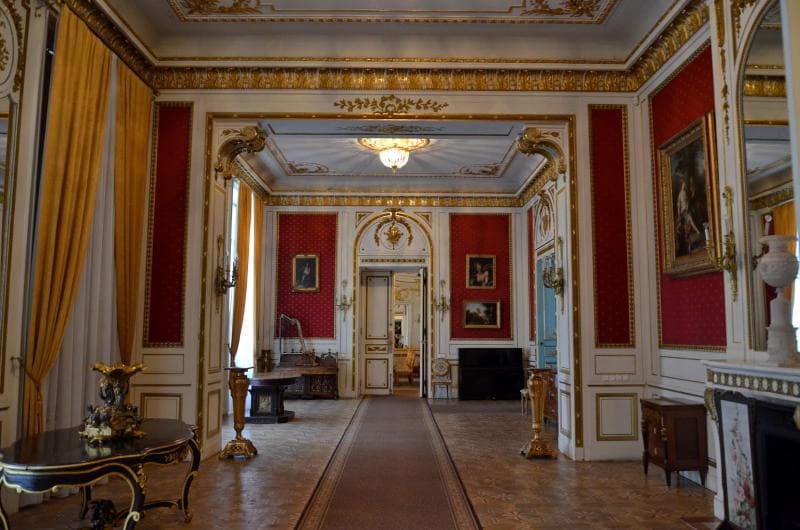
Discover the elegant Palace Courtyard within Potocki Palace in Lviv, Ukraine. Explore its French-inspired architecture, rich history, and vibrant cultural events.
Overview
Nestled within the grand Potocki Palace in Lviv, Ukraine, the Palace Courtyard offers a captivating journey back in time, while also serving as a vibrant hub for contemporary cultural life. This distinguished architectural ensemble, designed in the French Neo-Baroque style, evokes the elegance and grandeur of Parisian palaces. Originally conceived as a ceremonial entrance for carriages and a setting for aristocratic gatherings, the courtyard today provides visitors with a unique blend of historical ambiance and modern artistic expression. It stands as a testament to the city's rich past and its dynamic present, inviting travelers to explore its storied grounds.
History & Cultural Background
The history of the Potocki Palace and its courtyard began in the late 19th century, specifically between 1880 and 1890. It was commissioned by Alfred II Józef Potocki, a prominent political figure, Governor of the Kingdom of Galicia and Lodomeria, and a member of one of the most powerful and affluent families of the Polish-Lithuanian Commonwealth. The architectural vision for this opulent residence was primarily crafted by the French architect Louis Alphonse René Douvigne, with local architect Julian Cybulski adapting the designs for Lviv. The palace was intended not merely as a dwelling but as a grand setting for social and political events, featuring numerous drawing rooms and a spacious courtyard to accommodate carriages and noble arrivals.
Following World War II, the palace's role transformed, housing various institutions. Notably, it served as the Palace of Marriages from the mid-1970s, which, ironically, contributed to the preservation of its exquisite interiors through timely restoration. In the early 2000s, the palace became a significant branch of the Lviv National Art Gallery, opening its doors to the public to showcase European art and its own magnificent interiors.
What Makes It Special
The Palace Courtyard's distinctive French character sets it apart in Lviv's diverse architectural landscape, offering a striking contrast to the city's more typical Baroque and Austro-Hungarian buildings. A massive wrought-iron gate gracefully separates the main facade from Mykoly Copernyka Street, hinting at the grandeur within. Beyond the palace itself, a charming terrace and a rounded staircase with a balustrade add to its picturesque appeal.
What truly makes the courtyard special today is its evolution into a dynamic cultural space. It's far from a static historical monument; instead, it pulsates with life, hosting a variety of modern events. Throughout the summer, the courtyard buzzes with festivals, open-air cinema screenings, and engaging art projects. During the festive Christmas season, it transforms into a bustling market, filling the air with the evocative scents of mulled wine and fresh fir branches, offering a truly immersive local experience.
Additionally, the backyard of the palace holds a delightful secret: a 'Park of Miniature Castles of the Lviv Region'. This unique attraction allows visitors to 'travel' through centuries and vast distances in mere minutes, experiencing precise 1:50 scale replicas of the region's most famous fortresses and castles. Recent archaeological excavations within the courtyard have also unearthed fascinating artifacts from the 14th century, alongside elements of the city's old engineering systems, providing deeper insights into Lviv's ancient foundations.
Stories, Fun Facts & Local Details
The courtyard at Potocki Palace is more than just an open space; it's a canvas for Lviv's vibrant cultural life. Imagine the echoes of horse-drawn carriages that once filled this courtyard, bringing esteemed guests to lavish balls and diplomatic meetings. Today, these historical echoes mingle with the laughter and music of contemporary festivals, making it a place where the past and present beautifully intertwine.
A peculiar incident from the palace's history adds a surprising layer to its story: in 1919, during city celebrations, an American pilot named Edward Graves accidentally crashed his plane into the palace while performing aerial maneuvers. The subsequent repair work lasted until 1931, a testament to the palace's enduring resilience. The palace's distinctive H-shaped structure, crafted from brick and covered with plaster, is another interesting architectural detail. For those seeking memorable photographs, the courtyard's blend of old stonework, intricate wrought-iron elements, and beautifully restored facades creates an exceptionally atmospheric backdrop, offering a glimpse into Lviv's aristocratic soul.
Visitor Perspective
Exploring the Palace Courtyard is an essential part of any visit to the Potocki Palace. Its central location in Lviv, just a short walk from Svobody Avenue, makes it highly accessible for most travelers. Visitors typically find that 1 to 2 hours are sufficient to leisurely stroll through the grounds, admire the monumental Baroque gate, and appreciate the main architectural elements of the courtyard. However, if you plan to immerse yourself in one of the temporary exhibitions, participate in a festival, or explore the miniature castle park, allocating half a day would be a rewarding choice.
As you step through the grand entrance, you're not just entering a historical site; you're gaining a key to understanding Lviv's multifaceted character, its aristocratic heritage, and its ongoing cultural renaissance. The courtyard, once a symbol of private grandeur, now stands as a welcoming public space, inviting everyone to connect with the elegance and stories of a bygone era, while embracing the lively spirit of modern Lviv.
Coordinates: 24.026825, 49.837882
View on Google Maps💬 How Travelers Describe This Place
Based on community votes
Interesting
585Beautiful
550Photogenic
546Unique
56Must See
28
Traveler Stories
Discover memorable experiences shared by travelers who have visited this place.
No traveler stories yet.
Be the first traveler to share what made this place memorable.

Tour
By
Spot
Discover amazing places around the world. Your journey starts here.
Explore
© 2026 TourBySpot. All rights reserved.