Pala D’Oro
Venice, Italy
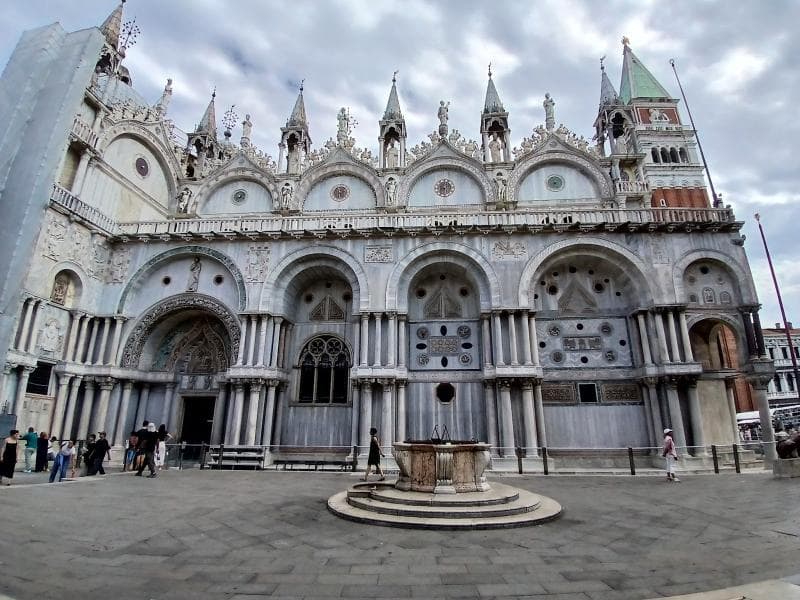
Discover Pala d'Oro, the stunning golden altarpiece adorned with jewels and enamels, nestled within St. Mark's Basilica in Venice, Italy.
Overview
Deep within the opulent embrace of St. Mark's Basilica in Venice, Italy, lies a breathtaking masterpiece known as the Pala d'Oro. Its name, meaning 'Golden Pall' or 'Golden Cloth', perfectly encapsulates the essence of this extraordinary altarpiece. More than just a decorative element, the Pala d'Oro is a jewel-encrusted narrative of faith and artistry, universally recognized as one of the most refined examples of Byzantine craftsmanship in the world. Positioned behind the high altar, it dazzles with thousands of precious stones, intricate enamels, and gilded silver, offering a glimpse into the wealth and spiritual devotion of the Venetian Republic.
History & Cultural Background
The history of the Pala d'Oro is as rich and layered as its intricate design, spanning centuries of artistic evolution and geopolitical influence. Its earliest elements date back to the 10th century, with significant pieces originating from Constantinople. The altarpiece began its transformation into its current form in 1102 when Doge Ordelaffo Falier commissioned initial sections from craftsmen in Constantinople. Over the centuries, it underwent several significant additions and modifications, reflecting the changing artistic tastes and increasing prosperity of Venice. The 13th century saw the incorporation of additional enamels, some believed to have been brought from Constantinople after the Fourth Crusade in 1204. Venetian goldsmiths, notably Boninsegna in 1342, further embellished the piece, adding Gothic elements and giving it the magnificent appearance we see today. This continuous evolution, blending Byzantine grandeur with Venetian artistry, makes the Pala d'Oro a powerful symbol of Venice's historical connection to the Eastern Roman Empire and its own artistic brilliance.
What Makes It Special
What truly sets the Pala d'Oro apart is its unparalleled material richness and the exquisite detail of its execution. Measuring approximately 3.34 meters wide and 2.12 meters high, it is composed of around 250 cloisonné enamels on gilded silver plate, adorned with an astonishing 1,927 precious stones and gems. These include 1,300 pearls, 300 emeralds, 300 sapphires, 400 garnets, 100 amethysts, rubies, and topazes, all meticulously set to create a dazzling mosaic of color and light. The enamels depict a wealth of religious iconography, including Christ Pantocrator, the Virgin Mary, archangels, apostles, prophets, and scenes from the life of Christ and St. Mark. The cloisonné technique, where powdered glass is fused within delicate metal compartments, creates vibrant, translucent images that almost seem to glow from within, a testament to the skill of Byzantine and Venetian artisans. It is a unique surviving example of Gothic goldsmithery on such a grand scale.
Stories, Fun Facts & Local Details
The Pala d'Oro holds a fascinating array of stories and local traditions. Historically, this immense golden altarpiece was not always on full display. For centuries, it remained hidden behind a 'ferial' altarpiece, a painted wooden panel, and was only revealed to worshippers during major religious festivals or important state occasions. The oldest of these 'ferial' panels, depicting stories of St. Mark, was painted by Paolo Veneziano and his sons in 1343-1345 and is now housed in the Basilica Museum. This tradition underscores the profound sacredness and reverence with which the Pala d'Oro was, and still is, regarded. Among the many figures depicted, one can find portraits of historical figures like Doge Ordelaffo Falier and Empress Irene, offering a direct link to the patrons and historical context of its creation. The blend of Latin and Greek inscriptions also reflects the unique cultural crossroads that Venice represented between the East and West. The sheer number of precious stones, sometimes totaling over 1,900, highlights not only the artistic ambition but also the immense wealth and power of the Venetian Republic during its maritime heyday.
Visitor Perspective
For the modern traveler, a visit to the Pala d'Oro within St. Mark's Basilica is an unforgettable experience. While the Basilica itself offers overwhelming beauty, seeing the Pala d'Oro up close provides a concentrated dose of its historical and artistic grandeur. It is typically viewed from behind the main altar, often requiring a separate, small admission fee. As you approach, the glittering gold, shimmering enamels, and the sparkle of thousands of gems emerge from the semi-darkness of the basilica, creating a truly awe-inspiring spectacle. Take your time to appreciate the minute details of each panel, the stories they tell, and the incredible craftsmanship that has preserved this treasure for nearly a millennium. It's a moment to connect with centuries of faith, art, and the enduring legacy of Venice's Byzantine heritage. Observing the Pala d'Oro is not just seeing an artwork; it is witnessing a tangible piece of history, an enduring testament to human devotion and artistic genius.
Coordinates: 12.3396, 45.4345
View on Google Maps💬 How Travelers Describe This Place
Based on community votes
Beautiful
963Unique
723Photogenic
482Must See
463Interesting
274
Traveler Stories
Discover memorable experiences shared by travelers who have visited this place.
No traveler stories yet.
Be the first traveler to share what made this place memorable.

Tour
By
Spot
Discover amazing places around the world. Your journey starts here.
Explore
© 2026 TourBySpot. All rights reserved.