Pagoda Street
Singapore, Singapore
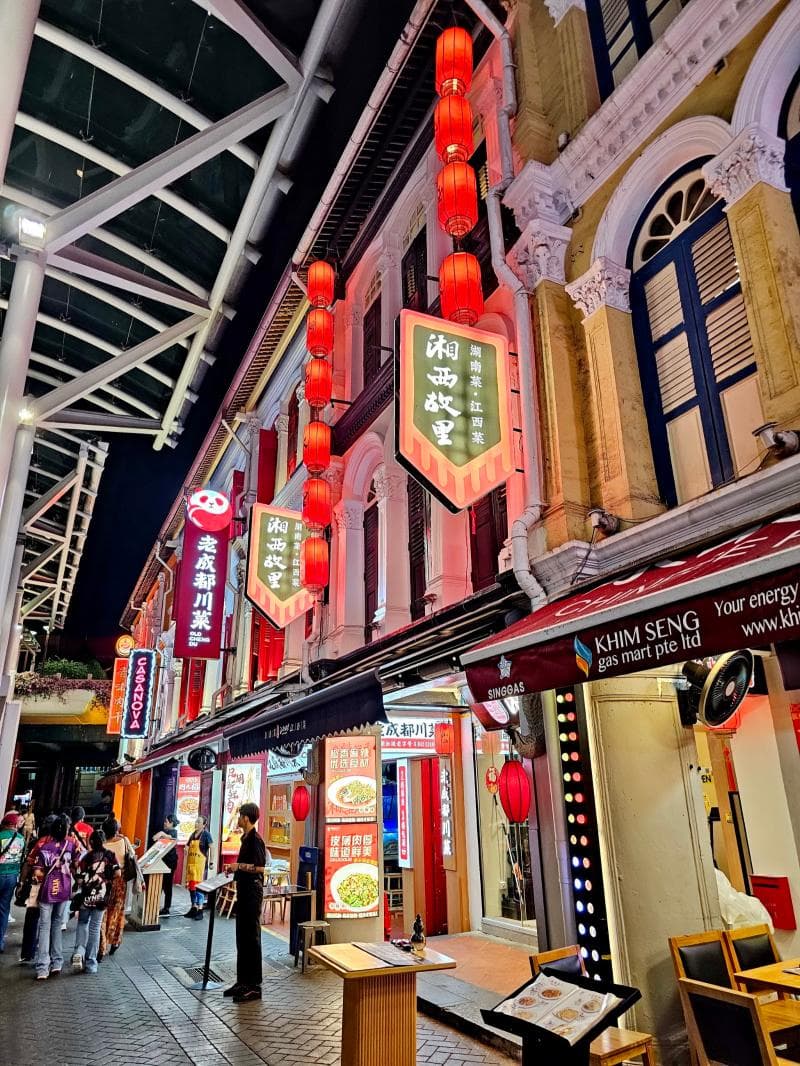
Explore Pagoda Street in Singapore's Chinatown – a vibrant pedestrian mall rich in history, from coolie days to colorful shophouses and cultural gems.
Overview
Pagoda Street, nestled within Singapore's vibrant Chinatown, offers a captivating journey through time, blending rich history with a lively modern-day atmosphere. This pedestrian-friendly street, easily accessible via the Chinatown MRT station, serves as a bustling marketplace lined with beautifully restored shophouses. It is a central artery of the Chinatown Historic District, which has been gazetted for conservation, ensuring its unique charm and heritage are preserved.
Today, Pagoda Street is a sensory delight, filled with souvenir stalls, traditional goods, textiles, and eateries, drawing both locals and international travelers. However, its cheerful facade belies a deeper, more complex past that speaks volumes about Singapore's early immigrant history.
History & Cultural Background
Pagoda Street's name itself carries historical weight, derived from the distinctive 'gopuram' – a pagoda-like tower – of the nearby Sri Mariamman Temple. This temple, Singapore's oldest Hindu temple, stands as a testament to the multicultural fabric of early colonial Singapore. The street's development began in 1843, with the construction of shophouses that served as both residences and commercial spaces, adhering to the 1822 Raffles Town Plan for ethnic settlements.
In its earlier days, from the 1850s to the 1880s, Pagoda Street held a darker reputation. It was notoriously associated with opium-smoking dens and functioned as a significant station for the 'coolie' trade, where Chinese indentured laborers arriving in Singapore were housed. Firms like Kwong Hup Yuen operated on this street, providing lodging for up to 200 laborers in often overcrowded conditions. By the early 20th century, it was home to numerous coolie lodging houses.
As the coolie trade diminished, Pagoda Street underwent a transformation. By the 1950s, the shophouses transitioned into retail outlets, becoming well-known for textile and tailoring businesses. The architecture of these shophouses, with their distinctive 'five-foot ways' (covered walkways), reflects the original colonial urban planning and has been carefully conserved as part of the Chinatown Historic District since 1989.
What Makes It Special
What truly sets Pagoda Street apart is its ability to vividly tell the story of Singapore's past while remaining a vibrant contemporary hub. It offers a tangible connection to the lives of early immigrants, from the hardships faced by coolies to the entrepreneurial spirit of textile merchants. The street's strategic location, flanked by both the historic Sri Mariamman Temple and the Jamae Mosque, showcases Singapore's unique multicultural coexistence.
The row of beautifully preserved shophouses, with their ornate facades and intricate details, represents one of Singapore's best-preserved collections of traditional architecture. These buildings are not merely decorative; they house a diverse array of shops selling everything from traditional Chinese medicines and handicrafts to modern souvenirs, creating a rich tapestry of sights, sounds, and smells.
Stories, Fun Facts & Local Details
- From Opium Dens to Souvenirs: It's a striking contrast that a street once infamous for opium dens and coolie lodging now thrives as a bustling market for tourists. This transformation highlights Singapore's remarkable journey and its strict modern stance on narcotics.
- A Royal Visit: Pagoda Street even hosted royalty; Queen Elizabeth II visited the street in 1972, a significant historical highlight.
- The Chinatown Heritage Centre: Located at 48 Pagoda Street, this award-winning museum offers immersive exhibits that recreate the living conditions of early Chinese immigrants in the 1950s. Visitors can step into reconstructed shophouse rooms, gaining poignant insights into their struggles and aspirations.
- Five-Foot Ways: The covered walkways in front of the shophouses, known as 'five-foot ways', are a distinct architectural feature originating from the Raffles Town Plan. They provided shelter from the sun and rain and continue to offer a unique shopping experience.
Visitor Perspective
For the curious traveler, Pagoda Street is an essential starting point for exploring Singapore's Chinatown. Stepping out of the Chinatown MRT station, you are immediately immersed in its vibrant atmosphere. The street is perfect for strolling, soaking in the lively ambiance, and observing the blend of old-world charm with contemporary commerce.
While exploring, allow time to browse the diverse array of stalls. Don't shy away from friendly bargaining; it's part of the authentic market experience. To truly appreciate the historical architecture and avoid the largest crowds, consider visiting in the early morning when vendors are just setting up. Most visitors find 1-2 hours sufficient to explore the street itself, though more time is recommended if you plan to delve into the Chinatown Heritage Centre or nearby temples. Comfortable walking shoes are a must, and carrying small denominations of cash is advisable for market purchases.
During festive seasons like Chinese New Year, Pagoda Street transforms into a spectacular display of lights, decorations, and cultural performances, offering an even more enchanting experience.
Coordinates: 103.8436, 1.284
View on Google Maps💬 How Travelers Describe This Place
Based on community votes
Photogenic
964Unique
926Beautiful
646Interesting
482Must See
380
Traveler Stories
Discover memorable experiences shared by travelers who have visited this place.
No traveler stories yet.
Be the first traveler to share what made this place memorable.

Tour
By
Spot
Discover amazing places around the world. Your journey starts here.
Explore
© 2026 TourBySpot. All rights reserved.