Outdoor Exhibition
Berlin, Germany
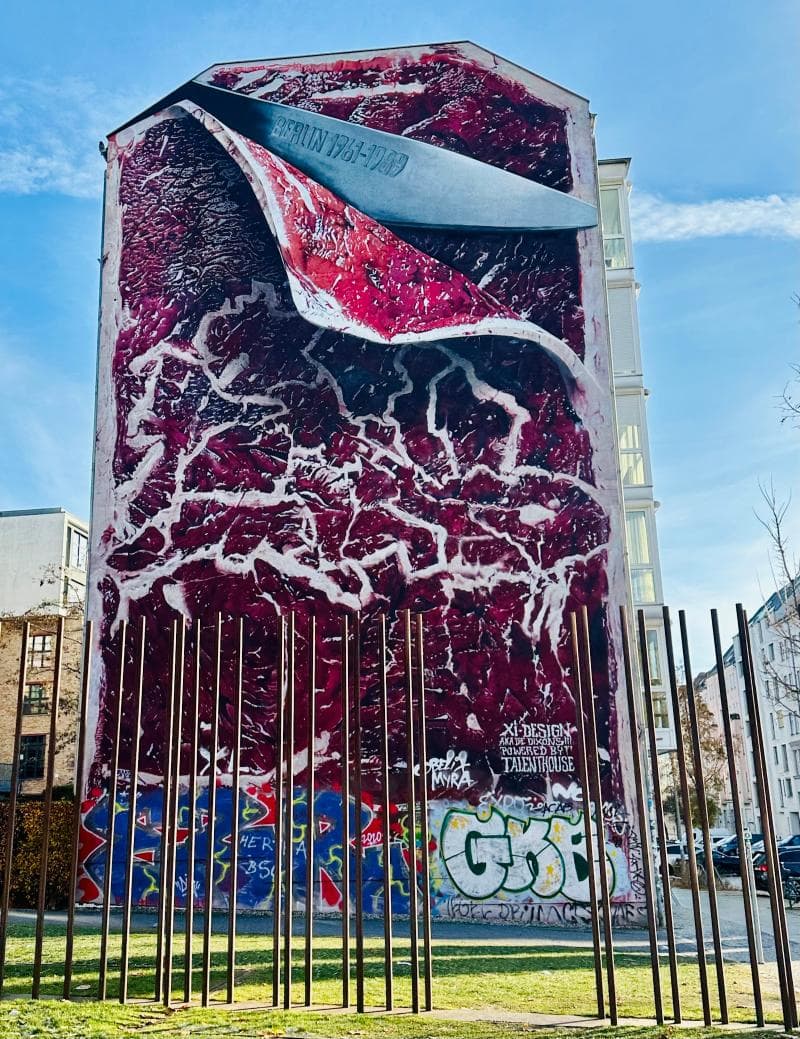
Explore the Outdoor Exhibition at the Berlin Wall Memorial in Berlin, Germany. Discover the history, personal stories, and preserved remnants of the Wall.
Overview
The Outdoor Exhibition at the Berlin Wall Memorial, located along Bernauer Straße in Berlin, Germany, serves as the central memorial site commemorating the division of Berlin and the history of the Berlin Wall. This permanent open-air exhibition stretches for 1.4 kilometers along the former border strip, offering a deeply impactful journey through a pivotal period of German history. It meticulously reconstructs and preserves original remnants and traces of the border fortifications, presenting a comprehensive picture of the Wall's purpose and function on its actual historical site.
Visitors can explore various elements that once formed the impenetrable border, including a preserved section of the Wall, the 'death strip,' and a watchtower. The memorial is freely accessible and open daily, allowing ample time for reflection and understanding.
History & Cultural Background
Bernauer Straße holds immense historical significance as a frontline location during the division of Berlin. When the Berlin Wall was erected on August 13, 1961, apartment buildings on the East Berlin side of Bernauer Straße suddenly found their front doors facing West Berlin, while their rear windows overlooked the newly constructed border. This immediate division led to dramatic scenes of residents attempting desperate escapes, jumping from windows into safety nets provided by West Berlin firefighters, or being forcibly relocated.
Over the years, the buildings directly bordering the 'death strip' were demolished to make way for the expanding and increasingly complex border fortifications. The Outdoor Exhibition stands on this very ground, utilizing its historical context to narrate the profound impact the Wall had on daily life, the urban landscape, and the lives of countless individuals. It represents a poignant reminder of the Cold War era and the ideological chasm that separated East and West.
What Makes It Special
What makes the Outdoor Exhibition truly special is its ability to allow visitors to experience the former border strip in its authentic spatial dimension. It's divided into four distinct sections, each focusing on a different aspect of the Wall's history and its consequences: 'The Wall and the Death Strip,' 'The Destruction of the City,' 'The Construction of the Wall,' and 'Everyday Life at the Wall.'
Key features include a 70-meter-long preserved section of the original Wall, complete with a watchtower and the brutal 'death strip,' offering a chillingly realistic view of the border system. The 'Window of Remembrance' provides a space for individual commemoration, displaying names and photos of those who died attempting to cross the Wall. Corten steel markers on the ground indicate the outlines of demolished buildings, escape tunnels, and other lost historical traces, effectively illustrating the scale of destruction and the ingenuity of those seeking freedom. The Chapel of Reconciliation, built on the former death strip, also stands as a symbol of remembrance and hope.
Stories, Fun Facts & Local Details
The Outdoor Exhibition is rich with compelling human stories. Bernauer Straße was infamous for its daring escape attempts, including those where residents rappelled from windows or tunnelled beneath the Wall. The exhibition highlights these incredible acts of bravery and desperation, illustrating the personal sacrifices made in the pursuit of freedom. For instance, the story of Conrad Schumann, a GDR border guard who famously leapt over barbed wire into West Berlin, resonates deeply.
Beyond the main memorial, the S-Bahn Nordbahnhof station, located at one end of the memorial, hosts a separate exhibition on 'Border and Ghost Stations in Divided Berlin.' This details the fate of subway and railway stations that were closed or became 'ghost stations' during the division, showcasing another unique aspect of Berlin's fractured infrastructure. These details add layers to the narrative, moving beyond mere facts to reveal the human experience of division and the city's eventual reunification.
Visitor Perspective
A visit to the Outdoor Exhibition is a profound and often somber experience, guiding curious travelers through the physical and emotional landscape of a divided city. It's designed for walking, encouraging visitors to immerse themselves in the site's atmosphere. Starting at the Visitor Center is recommended to gain an initial overview before exploring the 1.4 km stretch.
Informational panels, photographs, and audio stations provide context and personal testimonies, ensuring a rich educational experience. Digital guides for smartphones are also available, offering audio descriptions for various sections and self-guided tour options of different lengths. While much of the experience is outdoors, comfortable walking shoes and weather-appropriate clothing are advised. The comprehensive nature of the exhibition ensures that visitors leave with a deep understanding of the Berlin Wall's history and its enduring legacy.
Coordinates: 13.39013, 52.53502
View on Google Maps💬 How Travelers Describe This Place
Based on community votes
Must See
852Photogenic
665Interesting
645Unique
244Beautiful
80
Traveler Stories
Discover memorable experiences shared by travelers who have visited this place.
No traveler stories yet.
Be the first traveler to share what made this place memorable.

Tour
By
Spot
Discover amazing places around the world. Your journey starts here.
Explore
© 2026 TourBySpot. All rights reserved.