Orthodox Artworks
Almaty, Kazakhstan
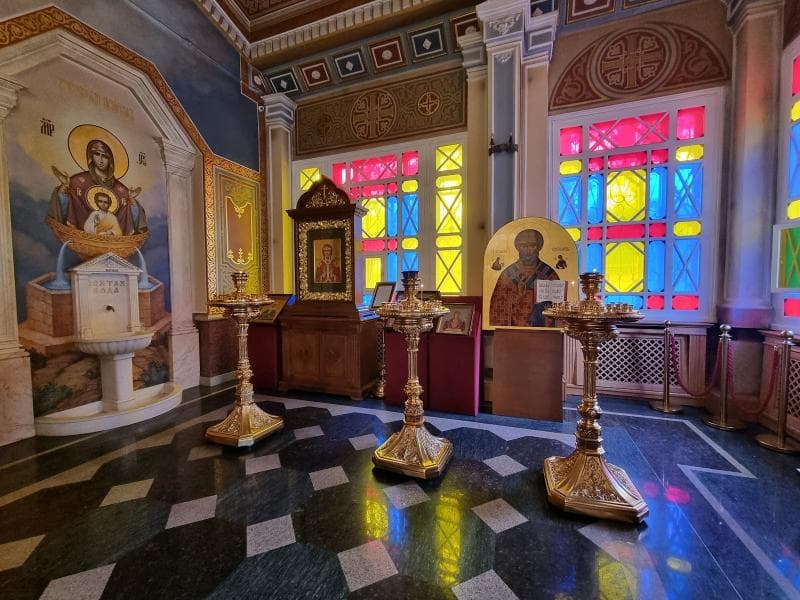
Explore the rich Orthodox artworks, stunning frescoes, and gilded iconostasis within the Ascension Cathedral in Almaty, Kazakhstan.
Overview
Deep within the vibrant city of Almaty, Kazakhstan, stands the magnificent Ascension Cathedral, an architectural marvel and a spiritual heart for the Orthodox community. Beyond its iconic wooden facade, the cathedral houses a collection of Orthodox artworks that offer a profound glimpse into religious artistry and cultural heritage. These sacred treasures, ranging from intricate frescoes to revered icons, adorn the interior, creating an atmosphere of deep reverence and spiritual beauty. The cathedral, also widely known as Zenkov Cathedral, is a prominent landmark nestled within the peaceful Panfilov Park, inviting visitors to explore its unique blend of architectural ingenuity and artistic splendor.
History & Cultural Background
Construction of the Ascension Cathedral began in 1904 and was completed by 1907, serving the spiritual needs of the Russian Orthodox community in Almaty, then known as Verny. The design of this monumental wooden structure is largely credited to engineer Andrei Pavlovich Zenkov, though architect Constantin Arkadyevich Borisoglebsky initiated the project. The cathedral's interior decorations were created by artistic workshops located in Moscow and Kyiv, bringing traditional Russian Orthodox aesthetics to Central Asia. Notably, the icons that grace its walls were painted by the local artist and ethnographer, Nikolay Gavrilovich Khludov. During the Soviet era, the cathedral faced significant challenges, being stripped of its religious function, with its bells melted down and many icons confiscated or destroyed. It served various secular purposes, including housing the Central State Museum of Kazakhstan and even functioning as a concert hall and the city's first radio transmission center. After Kazakhstan gained independence, the cathedral was returned to the Russian Orthodox Church in 1995, undergoing extensive restoration to reclaim its original spiritual grandeur.
What Makes It Special
The Orthodox artworks within the Ascension Cathedral are a testament to exquisite craftsmanship and profound spiritual devotion. Visitors are immediately struck by the richly painted interiors, which include stunning frescoes, intricate wooden carvings, and a multitude of vibrant icons. A central feature is the gilded iconostasis, a wall of icons separating the sanctuary from the nave, symbolizing the bridge between the earthly and heavenly realms. This ornate structure is densely covered with icons, each telling a sacred story. The cathedral's interior design reflects a traditional Russian Orthodox style, featuring numerous golden details that enhance the spiritual atmosphere. The vivid colors and detailed designs of these artworks are not merely decorative; they serve as a visual theology, inviting contemplation and deepening the spiritual experience for congregants and visitors alike.
Stories, Fun Facts & Local Details
One of the most compelling aspects of the cathedral's artworks lies in their resilience, much like the building itself. Despite periods of neglect and repurposing during the Soviet era, many icons and frescoes have been meticulously restored, with some even brought from other churches in Kazakhstan and Russia to replenish the cathedral's collection. The contribution of local artist Nikolay Gavrilovich Khludov in painting the icons adds a unique local touch to the predominantly Russian artistic tradition. The presence of gold is a recurring motif throughout Orthodox churches, signifying divine light and sacredness, and it is abundantly evident in the Ascension Cathedral's interior, from the iconostasis to the frames of numerous icons. The cathedral's ability to withstand the powerful 1911 earthquake, largely due to its ingenious wooden construction, is a legendary 'fun fact' that extends to its artworks, which remained largely intact during this seismic event. The cathedral remains an active place of worship, with religious ceremonies held regularly, allowing visitors to witness the artworks in their intended spiritual context.
Visitor Perspective
Stepping inside the Ascension Cathedral offers a truly immersive experience. The sheer volume and intricate detail of the Orthodox artworks can be overwhelming, yet profoundly moving. The vibrant colors and golden accents create a warm, inviting glow, fostering a sense of peace and contemplation. Visitors often describe feeling a deep connection to history and faith as they observe the frescoes and icons. Photography is generally permitted inside, though flash photography is prohibited, and visitors are asked to avoid taking photos during active religious services out of respect for worshippers. Modest dress is advised, with women often covering their heads and men removing hats, reflecting the reverence appropriate for a sacred space. Guided tours are available for those seeking a deeper understanding of the cathedral's history, architecture, and the symbolism embedded within its magnificent Orthodox artworks.
Coordinates: 76.95311, 43.25879
View on Google Maps💬 How Travelers Describe This Place
Based on community votes
Photogenic
1.0kUnique
869Must See
416Interesting
309Beautiful
33
Traveler Stories
Discover memorable experiences shared by travelers who have visited this place.
No traveler stories yet.
Be the first traveler to share what made this place memorable.

Tour
By
Spot
Discover amazing places around the world. Your journey starts here.
Explore
© 2026 TourBySpot. All rights reserved.