Ornate Domes
Nice, France
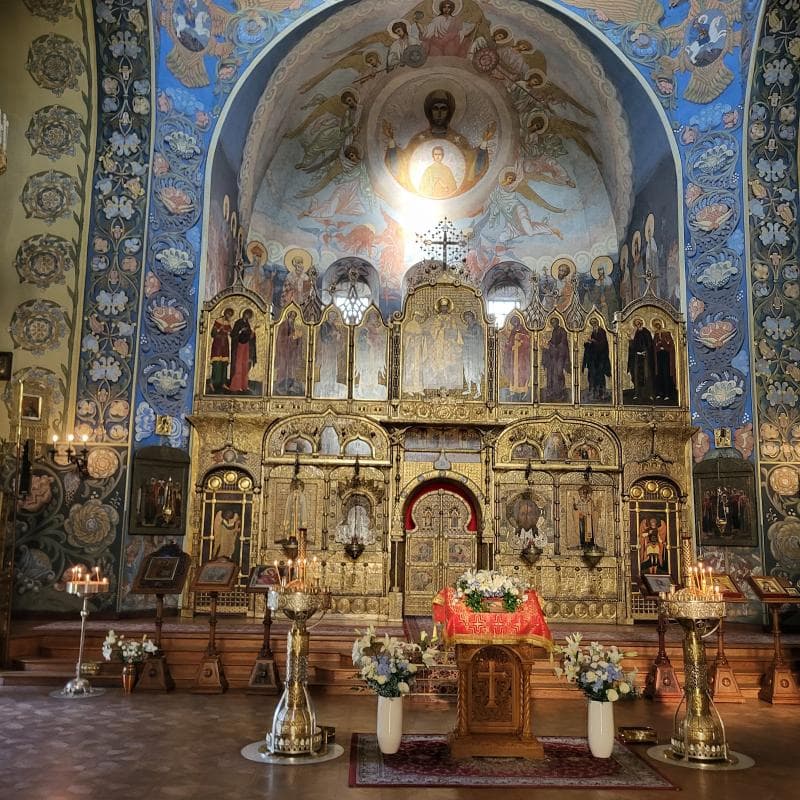
Explore the Ornate Domes of Cathédrale Saint-Nicolas De Nice in Nice, France. Discover its unique Russian Orthodox architecture, rich history, and spiritual symbolism.
Overview
Nestled amidst the Mediterranean charm of Nice, France, stands an unexpected architectural marvel: the Cathédrale Saint-Nicolas. While Nice is renowned for its seaside promenades and Italianate influences, this Russian Orthodox cathedral offers a striking contrast, instantly transporting visitors to a different cultural landscape. Its most defining features are undoubtedly its ornate domes, which crown the edifice in a dazzling display of color, shape, and symbolism. These 'onion domes,' as they are often called, are not merely decorative; they are central to the cathedral's identity, history, and spiritual narrative. The Cathédrale Saint-Nicolas holds the distinction of being the largest Russian Orthodox cathedral in Western Europe, a testament to the significant Russian presence in Nice during the late 19th and early 20th centuries. Since its inauguration in 1912, the cathedral, and especially its vibrant domes, has captivated onlookers, serving as a beacon of Russian heritage on the French Riviera.
History & Cultural Background
The story of the Cathédrale Saint-Nicolas, and by extension its magnificent domes, is deeply intertwined with the historical ties between the Russian aristocracy and the French Riviera. During the second half of the 19th century, Nice became a favored winter retreat for Russian nobility, who sought the mild climate and serene beauty of the Côte d'Azur. This growing Russian community necessitated a place of worship, leading to the construction of a smaller church in 1859. However, it soon became clear that a grander edifice was needed to accommodate the increasing number of Russian residents and visitors.
The impetus for the current cathedral came from a tragic event: the death of Tsarevich Nicholas Alexandrovich, son of Tsar Alexander II, in Nice in 1865. The cathedral was commissioned by Tsar Nicholas II, the future Emperor of Russia, in memory of his brother. Construction began in 1903 on land donated by Tsar Nicholas II himself, near the site where the Tsarevich had passed away. Designed by the Russian architect Mikhail Préobrajenski, a professor of architecture at the Imperial Academy of Fine Arts in Saint Petersburg, the cathedral was completed and inaugurated in 1912. This grand project reflected the spiritual needs and cultural influence of the Russian community, creating a lasting symbol of their presence in Nice.
What Makes It Special
The ornate domes of Cathédrale Saint-Nicolas are its most recognizable and enchanting feature, setting it apart from any other structure in Nice. There are five domes in total, each an 'onion-shaped' masterpiece, characteristic of traditional Russian Orthodox architecture. The largest dome symbolically represents Christ, while the four smaller domes around it symbolize the Four Evangelists: Matthew, Mark, Luke, and John. Their vibrant colors—often described as blue, green, and golden—are further enhanced by rich gilding, which glitters under the Provençal sun. Some sources note green tiled onion domes topped with gilded crosses, while others highlight golden onion domes dominating the skyline. This combination of distinctive shape, vivid color, and intricate ornamentation creates a visual spectacle that evokes the grandeur of Moscow's cathedrals, making it truly unique in its French setting.
Stories, Fun Facts & Local Details
Beyond their aesthetic appeal, the ornate domes carry a deeper cultural and spiritual significance. Their bulbous, tapered form is not just an architectural choice but a reflection of specific traditions in Russian church building, designed to shed snow easily in colder climates—an ironic touch in sunny Nice. The fact that this magnificent example of Neo-Russian architecture stands proudly on the French Riviera speaks volumes about the historical reach and influence of the Russian Empire. It was classified as a historical monument in 1987, recognizing its architectural and cultural importance.
A fun detail lies in the contrast between the exterior and interior perception. While the domes promise a grand exterior, some visitors are initially surprised by the relatively smaller interior compared to the cathedral's imposing outside presence. However, this is not unusual for Russian churches, where the emphasis on external symbolism and the sacred space within creates a unique architectural experience. The interior, though, is equally rich, adorned with a wealth of icons, frescoes, and intricately carved woodwork, including a magnificent iconostasis crafted in Russia, providing a complete Orthodox artistic experience.
Visitor Perspective
Approaching the Cathédrale Saint-Nicolas, the ornate domes are the first elements to capture your attention, drawing your gaze skyward. Their vibrant hues and distinctive shapes create a surreal experience, an architectural 'Fabergé egg' dropped into the heart of Nice. From various vantage points in the city, especially those offering elevated views, the golden and colored domes stand out dramatically against the urban landscape and the Mediterranean sky, offering breathtaking photographic opportunities. Inside, the atmosphere is one of serene reverence, a stark contrast to the bustling city outside. While photography inside is generally not permitted and a respectful dress code is observed (shoulders covered, men in long trousers), the visual feast of the interior iconography, particularly beneath the central dome, is an experience to be savored. Visiting in the morning can offer the best light to appreciate the domes' colors and fewer crowds for a more contemplative experience. The cathedral gardens also provide excellent angles to admire the domes and the overall architectural grandeur.
Coordinates: 7.25393, 43.70382
View on Google Maps💬 How Travelers Describe This Place
Based on community votes
Unique
836Interesting
797Photogenic
286Beautiful
255Must See
86
Traveler Stories
Discover memorable experiences shared by travelers who have visited this place.
No traveler stories yet.
Be the first traveler to share what made this place memorable.

Tour
By
Spot
Discover amazing places around the world. Your journey starts here.
Explore
© 2026 TourBySpot. All rights reserved.