Original Tunnel Section
Sarajevo, Bosnia and Herzegovina
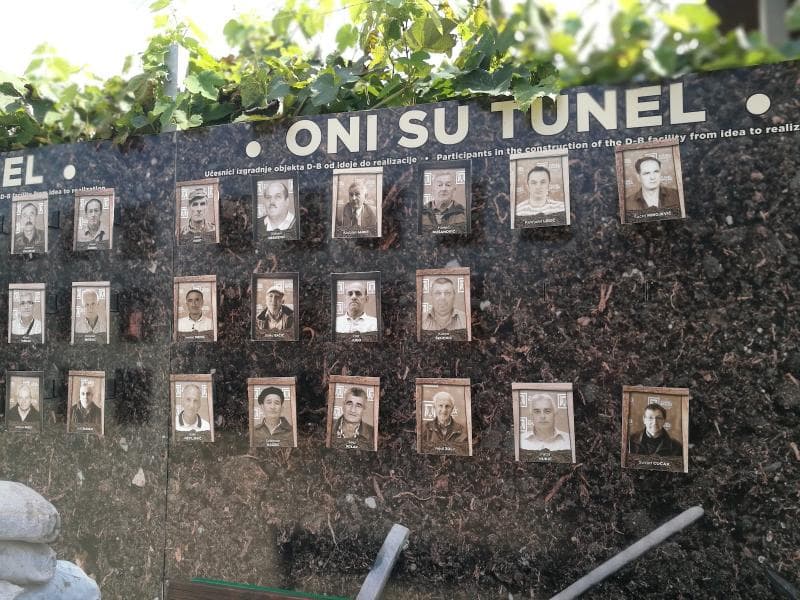
Explore the Original Tunnel Section of the Sarajevo Tunnel Museum, a vital lifeline during the Siege of Sarajevo, Bosnia and Herzegovina. Discover its history and significance.
Overview
Deep beneath the Sarajevo International Airport, a seemingly ordinary house in the Butmir neighborhood holds a profound secret: the entrance to the 'Original Tunnel Section' of the Sarajevo Tunnel Museum. This clandestine passageway, famously known as the 'Tunnel of Hope' or 'Tunel spasa', stands as a powerful testament to human resilience and ingenuity during the devastating 1992-1995 Siege of Sarajevo. It was a lifeline, meticulously hand-dug by civilians and soldiers, connecting the entirely cut-off city with the free Bosnian-held territory on the other side of the UN-controlled airport. Today, the museum preserves a segment of this historic tunnel, offering visitors a unique and somber opportunity to walk through a small but authentic portion of the original structure, experiencing firsthand the cramped, low-lit conditions that defined survival for thousands during the longest siege of a capital city in modern history.
History & Cultural Background
The Sarajevo Tunnel's story begins in March 1993, under the codename 'Objekt BD'. Sarajevo had been under siege for nearly a year, completely encircled by Bosnian Serb forces, with all roads and supply lines severed. The city faced severe shortages of food, medicine, fuel, and other vital necessities. The idea for an underground passage, proposed by the Bosnian Army's 4th Motorized Brigade, was conceived as the only viable solution to bypass the blockade and the supposedly neutral, yet dangerous, airport runway.
Construction was a monumental, clandestine effort. Thousands of Bosnian volunteers, working in three 8-hour shifts, toiled relentlessly with simple tools like pickaxes and shovels, often under the constant threat of shelling. They dug from both sides simultaneously—from a house in Butmir and from the Dobrinja neighborhood—meeting beneath the airport runway. The tunnel, approximately 800 to 960 meters long, about 1 meter wide, and 1.5 to 1.6 meters high, was completed in just over three months, by July 1993.
This narrow, often waterlogged passage quickly became Sarajevo's sole conduit to the outside world. It allowed for the transportation of food, humanitarian aid, and essential war supplies, crucially bypassing an international arms embargo. It also provided a means for people to enter and exit the besieged city, facilitating the movement of soldiers, civilians, and even high-ranking officials. The tunnel profoundly influenced the morale and ultimate survival of Sarajevo's citizens, providing not just physical supplies but also an invaluable sense of hope.
What Makes It Special
The 'Original Tunnel Section' is not just an artifact; it is a palpable piece of history. Unlike many historical sites that rely solely on exhibits and narratives, this segment allows visitors to physically step into the past. Walking through the narrow, low-ceilinged passage, supported by the very wooden beams installed during its construction, offers a profound sensory experience. The damp earth, the confined space, and the limited light evoke a visceral understanding of the hardship and determination faced by those who traversed it daily.
It is special because it embodies the sheer will to survive against impossible odds. The tunnel was ingeniously designed with an L-shape to prevent it from being easily destroyed by shelling, and it featured makeshift rails for carts, a pipeline for fuel delivery, communication cables, and electrical wiring—all improvised under wartime conditions. This section of the tunnel, preserved within the Kolar family home that served as its secret entrance, is a direct link to the extraordinary ingenuity and collective effort that sustained a city under siege for 1,425 days.
Stories, Fun Facts & Local Details
During the siege, the tunnel saw an estimated two to three million passages, with thousands of people and dozens of tons of goods moving through it daily. Wagons, each capable of carrying up to 400 kilograms, trundled along its makeshift railway. One poignant story recounts how the former Bosnian President Alija Izetbegović was transported through the tunnel in a wheelchair. Beyond supplies, the tunnel facilitated communication, allowing Sarajevo to remain connected to the outside world. It also became an unofficial black market route for essential items like cigarettes, alcohol, and petrol.
The Kolar family, whose house became the tunnel's entrance, played a pivotal role, offering their home for this covert operation. Their courage and sacrifice are central to the museum's narrative. Today, the museum exhibits original artifacts, personal items, photographs, and an 18-minute documentary film that collectively paint a vivid picture of life during the siege and the tunnel's indispensable function.
Visitor Perspective
A visit to the 'Original Tunnel Section' is an intensely moving and educational experience. While only about 20-25 meters of the original tunnel are accessible today, this short walk is enough to convey the immense challenges faced by those who depended on it. Visitors often describe feeling a sense of awe at the resilience of the human spirit. The museum itself is thoughtfully arranged, beginning with a documentary that provides crucial historical context before visitors enter the tunnel. Surrounding exhibits, including military equipment, personal stories, and photographic archives, deepen the understanding of the siege and the tunnel's significance.
It is recommended to wear comfortable shoes due to the uneven, often damp, floor and to be prepared for the low ceiling, which requires most adults to crouch. Many find that hiring a local guide, often a survivor of the siege, significantly enriches the experience, as they can share personal anecdotes and bring the history to life. The Sarajevo Tunnel Museum is not merely a historical site; it is a profound journey into the heart of a city's struggle and its unwavering will to overcome adversity, leaving a lasting impression on all who visit.
Coordinates: 18.3372121, 43.8197565
View on Google Maps💬 How Travelers Describe This Place
Based on community votes
Must See
556Photogenic
540Unique
470Interesting
410Beautiful
254
Traveler Stories
Discover memorable experiences shared by travelers who have visited this place.
No traveler stories yet.
Be the first traveler to share what made this place memorable.

Tour
By
Spot
Discover amazing places around the world. Your journey starts here.
Explore
© 2026 TourBySpot. All rights reserved.