Organ Gallery
Innsbruck, Austria
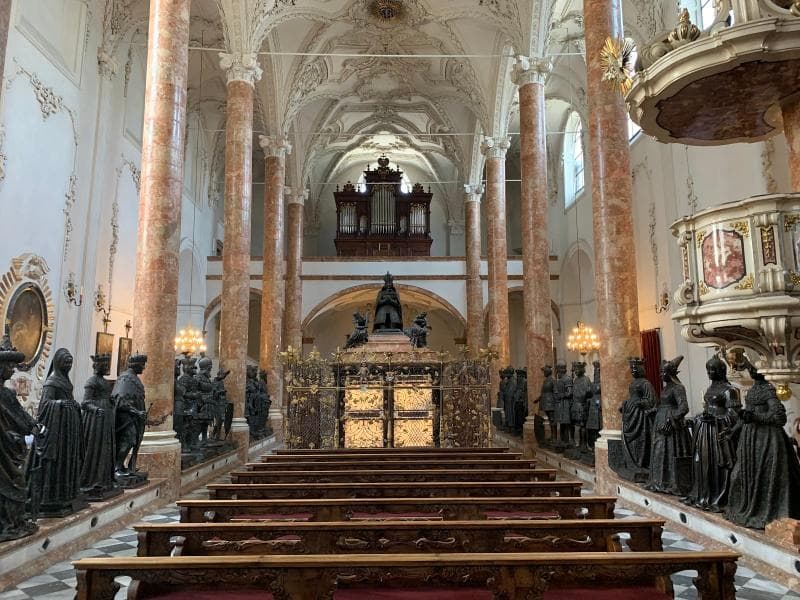
Discover the historic Organ Gallery at Hofkirche Innsbruck, Austria, home to the magnificent 16th-century Ebert Organ, one of Austria's oldest. Explore its rich history and unique features.
Overview
Stepping into the Hofkirche in Innsbruck, Austria, is an encounter with centuries of history, art, and profound musical heritage. While the church is renowned for its impressive imperial cenotaph and the legendary 'Black Men', a true gem for the discerning traveler lies within its musical heart: the Organ Gallery. This area, particularly home to the exquisite Ebert Organ, offers a captivating glimpse into Renaissance musical craftsmanship and its enduring role in sacred spaces. The organ is not just an instrument; it's a testament to the era's artistic and technical prowess, serving as a vibrant focal point for the church's rich cultural life. Its presence transforms the space, filling it with sounds that have resonated through the ages.
History & Cultural Background
The Hofkirche itself was constructed between 1553 and 1563 by Emperor Ferdinand I as a memorial to his grandfather, Emperor Maximilian I. This Gothic royal court church, intended as a mausoleum, provides the grand setting for its musical treasures. The most significant of these is the Ebert Organ, built by the master organ maker Jörg Ebert from Ravensburg between 1555 and 1561. Commissioned by King Ferdinand I, its creation was a monumental undertaking, reflecting the artistic and spiritual values of the High Renaissance. The organ's strategic placement within the church, specifically in the sanctuary area above the western sacristy door, marks it as a 'Schwalbennestorgel' or 'swallow's nest organ', an elevated position common for such instruments of its time. This design ensured its magnificent sound could envelop the entire congregation during services and special events.
What Makes It Special
The Ebert Organ stands as Austria's oldest and largest, almost perfectly preserved, Renaissance organ, making it one of the most valuable and playable historical organs in the world. Its intricate case, crafted from pine wood, is a work of art in itself, but what truly captivates visitors are its artistically designed wing doors. These aren't merely decorative; they served a profound liturgical purpose. Many of the organ's pipes are still original, allowing it to produce sounds that echo its 16th-century origins. Beyond the Ebert Organ, the Hofkirche also hosts other notable instruments. In the Silver Chapel, an anonymous Italian organ, an 'organo di legno' dating to around 1580, is remarkable for its wooden pipes. Additionally, a Neo-Renaissance Mauracher Organ, built in 1900, can be found on the north balcony, offering a different historical perspective on organ building within the same sacred space. Each instrument contributes to the Hofkirche's unique acoustic and historical narrative, but the Ebert Organ remains the star, particularly prized for its authenticity and historical integrity.
Stories, Fun Facts & Local Details
The wing doors of the Ebert Organ tell stories of faith and artistry. When closed, they depict the biblical scene of the Adoration of Jesus in the manger by shepherds. Historically, these doors remained closed during solemn periods like Advent and Lent, serving to dampen the organ's sound and encourage a more introspective, prayerful atmosphere. When opened, the doors reveal the Annunciation of the Archangel Gabriel to Mary. Originally, the lower doors featured the Resurrection and Ascension, though these were later replaced by the scene of the Flight into Egypt during restoration work. This interplay of open and closed imagery adds a dynamic visual narrative to the organ's musical presence. The organ's significance is also highlighted by its role in cultural events, such as the Paul Hofhaimer Prize, an international organ competition that sees musicians perform on this and other historic organs in Innsbruck, celebrating its continued musical vitality.
Visitor Perspective
For the curious traveler, encountering the Ebert Organ within the Hofkirche is an immersive experience. It's more than just viewing a historical artifact; it's about connecting with a living piece of history. Imagine standing beneath its majestic form, admiring the detailed carvings and the vibrant paintings on its doors, and then, perhaps during a concert, hearing its centuries-old pipes breathe life into a Renaissance melody. The church's seemingly modest exterior belies the artistic and historical riches within, and the organ stands as a prime example of this hidden splendor. The experience is both educational and deeply moving, offering a rare opportunity to witness an instrument that has served generations of worshipers and music lovers alike. It reminds visitors of the profound intersection of art, faith, and craft that defined the Renaissance era in Austria.
Coordinates: 11.3953, 47.2683
View on Google Maps💬 How Travelers Describe This Place
Based on community votes
Interesting
996Photogenic
726Beautiful
494Unique
193Must See
125
Traveler Stories
Discover memorable experiences shared by travelers who have visited this place.
No traveler stories yet.
Be the first traveler to share what made this place memorable.

Tour
By
Spot
Discover amazing places around the world. Your journey starts here.
Explore
© 2026 TourBySpot. All rights reserved.