Ordination Hall
Bangkok, Thailand
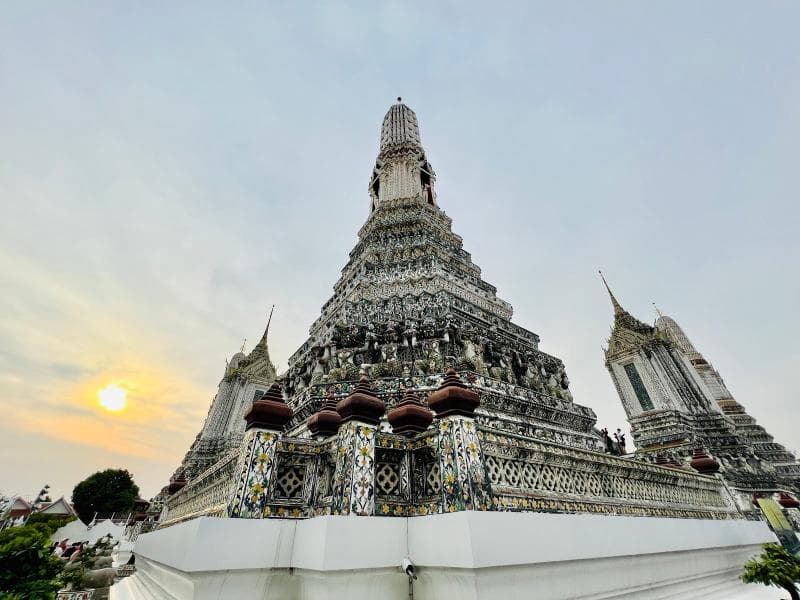
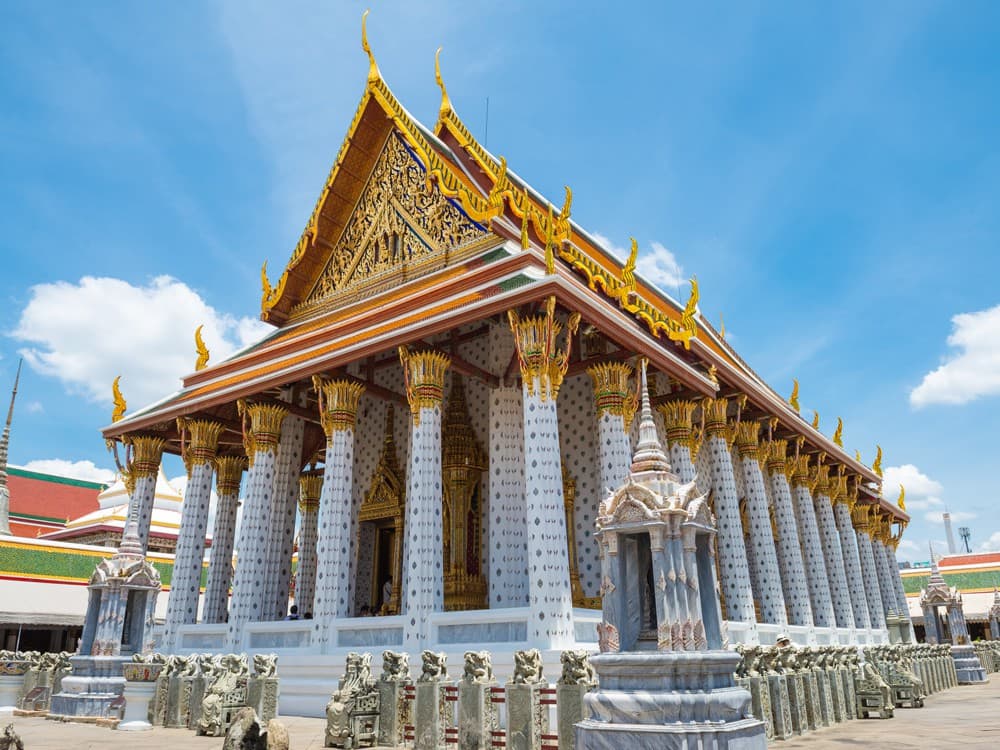
Discover the sacred Ordination Hall within Wat Arun, Bangkok, Thailand. Explore its revered Buddha image, intricate murals, and rich history at the iconic Temple of Dawn.
Overview
Nestled within the revered grounds of Wat Arun Ratchawararam Ratchawaramahawihan, more commonly known as Wat Arun or the 'Temple of Dawn', lies a serene and spiritually significant sanctuary: the Ordination Hall. Often referred to by its Thai name, Ubosot or Bot, this sacred building is a focal point for Buddhist rituals and contemplation, offering visitors a deeper insight into Thai religious artistry and tradition.
The Ordination Hall is distinguished by its classic Thai architectural elegance, featuring a multi-tiered roof and intricate embellishments. Unlike the towering main prang, which captures immediate attention with its distinctive porcelain-encrusted spire, the Ubosot offers a more intimate and profound experience. Guarding its entrance are two imposing giant figures, known as Yakshas, standing sentinel and adding to the hall's sacred aura. Inside, the atmosphere is one of calm reverence, dominated by a magnificent golden Buddha image and surrounded by exquisite murals that narrate timeless stories of Buddhist teachings.
As you approach this hallowed space, you're not just entering another structure; you're stepping into the heart of Wat Arun's monastic life, a place where monks are ordained, and important ceremonies are conducted. Its location within the temple complex, often found after passing through a peaceful courtyard, creates a sense of transition from the outside world to a realm of spiritual reflection.
History & Cultural Background
The history of Wat Arun, and by extension its Ordination Hall, stretches back to the Ayutthaya Kingdom, preceding Bangkok's establishment as the capital. Initially known as Wat Makok, the temple's significance soared when King Taksin made Thonburi his new capital following the fall of Ayutthaya in 1767. He renamed it Wat Chaeng and briefly housed the sacred Emerald Buddha image within its precincts, transforming it into a royal temple.
The current form and artistic grandeur of the Ordination Hall largely owe their existence to King Rama II, who reigned from 1809 to 1824. He undertook extensive restorations and enlargements of the temple. Notably, it is believed that King Rama II himself designed the principal Buddha image enshrined within the Ordination Hall. Following his reign, King Rama III continued the embellishments, contributing to the distinctive porcelain decorations seen throughout Wat Arun. The captivating murals adorning the interior walls of the Ordination Hall were created during the reign of King Rama V, further enriching the hall's spiritual and artistic narrative. The architectural style of the hall showcases the late Ayutthaya period, characterized by its elegant rooflines and detailed decorative elements, providing a tangible link to Thailand's rich historical past.
What Makes It Special
The Ordination Hall of Wat Arun stands out for several compelling reasons, starting with its central treasure: the golden Niramitr Buddha image. This revered statue, sometimes identified as Phra Phuttha Lokanat or Phra Phutthathammitrararatchalokthatdilok, is not only an object of worship but also holds a unique royal connection. Legend has it that King Rama II personally designed the face of this Buddha image, and, poignantly, some of his ashes are interred within its base, making it a powerful symbol of royal devotion and artistic legacy.
Beyond the main image, the hall's interior is a canvas of intricate mural paintings. These vibrant artworks meticulously narrate crucial episodes from the life of Lord Buddha, depicting his journey to enlightenment and his teachings. They also weave in elements of Thai royal history and traditional lore, offering visitors a visual encyclopedia of Buddhist philosophy and cultural heritage.
Another striking feature is the pair of towering guardian figures, known as Yakshas, positioned at the entrance. These mythical giants, Sahassa Deja (white) and Thotsakan (green, representing the demon king Ravana), are characters drawn from the epic Ramakien. They serve as protectors of the sacred space, their elaborate and brilliant designs creating a dramatic welcome. Encircling the Ordination Hall, you'll also notice the elegant marble boundary stones, known as 'Bai Sema', which demarcate the consecrated ground where ordinations take place, adding another layer of sanctity and tradition to this remarkable structure.
Stories, Fun Facts & Local Details
The very name 'Wat Arun' is imbued with symbolic meaning. It is named after Aruna, the Hindu god of dawn, often personified as the radiant light of the rising sun. This celestial connection is why the temple is famously known as the 'Temple of Dawn'. The first glimmer of morning light reflecting off the temple's porcelain-encrusted surfaces creates a pearly iridescence, giving it a majestic and ethereal appeal that truly earns its name.
While the Ordination Hall itself is not adorned with the well-known porcelain fragments of the main prang, its internal murals often depict celestial beings and scenes related to Buddhist cosmology, echoing the larger temple's symbolism of Mount Meru, the cosmic center. The temple is a living, breathing place of worship, a prominent site for rituals and ceremonies where local Buddhists, monks, and dignitaries gather, emphasizing the deep spiritual role it plays in the community. It's a place where tradition is upheld, and visitors are encouraged to observe the local customs, such as dressing modestly, to show respect for the sacred site.
Visitor Perspective
Visiting the Ordination Hall at Wat Arun offers a distinctly different experience from ascending the main prang. While the prang provides panoramic views, the Ubosot invites a sense of introspection and spiritual connection. Upon entering, visitors are immediately struck by the tranquil atmosphere, a stark contrast to the bustling outside world of Bangkok. The cool, shaded interior, often filled with the soft scent of incense, provides a welcome respite and an opportunity for quiet contemplation.
The meticulous detail of the murals on the walls draws the eye, inviting you to spend time deciphering the narratives of Buddha's life and the rich tapestry of Thai Buddhist art. Observing the intricate brushwork and vibrant colors transports you to another era, offering a window into the artistic and religious devotion of past generations. The presence of the golden Niramitr Buddha image, radiating peace and wisdom, serves as a powerful focal point for reflection. Remember to observe the customs: remove your shoes before entering and dress respectfully, ensuring shoulders and knees are covered. This not only shows reverence but also enhances your immersive experience in this truly special and sacred place.
Coordinates: 100.48889, 13.74361
View on Google Maps💬 How Travelers Describe This Place
Based on community votes
Beautiful
886Unique
564Must See
233Interesting
201Photogenic
121
Traveler Stories
Discover memorable experiences shared by travelers who have visited this place.
No traveler stories yet.
Be the first traveler to share what made this place memorable.

Tour
By
Spot
Discover amazing places around the world. Your journey starts here.
Explore
© 2026 TourBySpot. All rights reserved.