Orchestra Area
Lviv, Ukraine
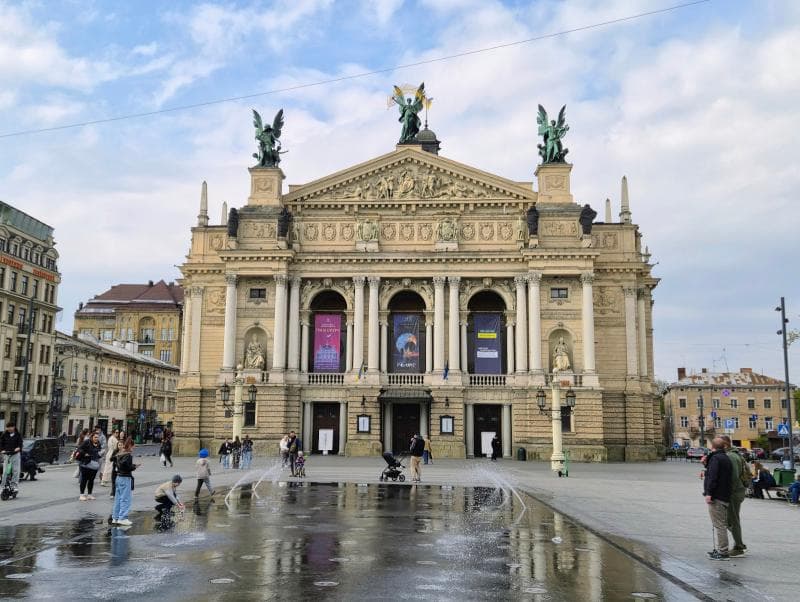
Explore the Orchestra Area of Lviv Opera House, Lviv, Ukraine. Discover its history, perfect acoustics, and role in creating unforgettable performances.
Overview
Deep within the opulent embrace of the Solomiya Krushelnytska Lviv National Academic Opera and Ballet Theatre, often simply known as the Lviv Opera House, lies the Orchestra Area. This unseen yet profoundly vital space is where the magic of live musical performance truly begins, setting the foundation for every opera and ballet presented on its grand stage. It is an integral part of the theatre's renowned acoustic design, ensuring that every note played by the ensemble resonates perfectly throughout the lyre-shaped auditorium. Visiting this architectural masterpiece in Lviv, Ukraine, offers more than just a visual feast; it provides an immersive auditory journey, largely orchestrated from this dedicated space below the stage.
History & Cultural Background
The Lviv Opera House, designed by the celebrated architect Zygmunt Gorgolewski, first opened its doors on October 4, 1900, standing as a proud emblem of Neo-Renaissance and Neo-Baroque architectural styles. The construction itself was a feat of engineering, as the theatre was built on marshland over the subterranean Poltva River, utilizing innovative concrete foundations—a pioneering approach for its time. From its inception, the design meticulously incorporated elements to achieve exceptional acoustics, a critical feature for any opera house. While specific historical blueprints detailing the orchestra pit's initial design are not widely publicized, its presence was fundamental to the theatre's function, housing the musicians whose artistry would complement the vocalists and dancers on stage. The cultural significance of the orchestra area is tied to the theatre's rich history, which saw it renamed multiple times and become a central hub for artistic expression, even being depicted on the 20 Hryvnia banknote.
What Makes It Special
The true essence of the Orchestra Area's specialness at the Lviv Opera House lies in its contribution to the theatre's 'perfect acoustics.' The auditorium's unique lyre-shape, capable of seating over a thousand people, is specifically designed to distribute sound evenly, making the orchestra's performance an enveloping experience for every audience member. From the initial tuning of instruments to the climactic swells of a symphony, the sound produced from this area is meticulously guided to create an immersive auditory landscape. It is the heart of the musical narrative, elevating the performance beyond just visual spectacle. The interplay between the unseen orchestra and the on-stage drama transforms a mere viewing into a profound emotional engagement, making each visit to the Lviv Opera an unforgettable journey into the world of classical music and performing arts.
Stories, Fun Facts & Local Details
While the orchestra pit itself rarely takes center stage, it plays a crucial supporting role, contributing to some of the theatre's most beloved traditions and fascinating details. For instance, the famous 'Parnassus' curtain, painted by Polish master Henryk Siemiradzki and used on special occasions, majestically descends just above where the orchestra would be positioned, symbolically separating the world of the audience from the world of artistic creation. The fact that the entire building was constructed with such pioneering techniques, like the concrete foundation over a submerged river, highlights the ambition behind creating a space where the orchestra's powerful sound could be perfectly contained and projected. The orchestra's presence is a constant, contributing to over 200 performances annually, a testament to the vibrant and enduring cultural life within these walls.
Visitor Perspective
For a visitor, experiencing the Orchestra Area means experiencing the full auditory splendor of the Lviv Opera House. While typically unseen from the audience, its presence is profoundly felt. Imagine settling into one of the 1,002 seats in the grand, four-circled auditorium, draped in velvet, and waiting for the conductor's baton to descend. The first notes emanating from the orchestra pit create an immediate connection, pulling you into the narrative unfolding on stage. The 'remarkable for its perfect acoustics' hall ensures that whether you are in the parterre or a balcony box, the rich tapestry of sound — from the delicate flutes to the booming timpani — reaches you with pristine clarity and emotional depth. Attending a performance here is not just about watching; it is about listening, feeling, and being transported by the combined artistry of the performers and the unseen maestros in the orchestra pit, all within one of Europe's most beautiful and historically significant theatres.
Coordinates: 24.029717, 49.839683
View on Google Maps💬 How Travelers Describe This Place
Based on community votes
Photogenic
747Must See
674Interesting
399Beautiful
182Unique
76
Traveler Stories
Discover memorable experiences shared by travelers who have visited this place.
No traveler stories yet.
Be the first traveler to share what made this place memorable.

Tour
By
Spot
Discover amazing places around the world. Your journey starts here.
Explore
© 2026 TourBySpot. All rights reserved.