Orangery
Warsaw, Poland
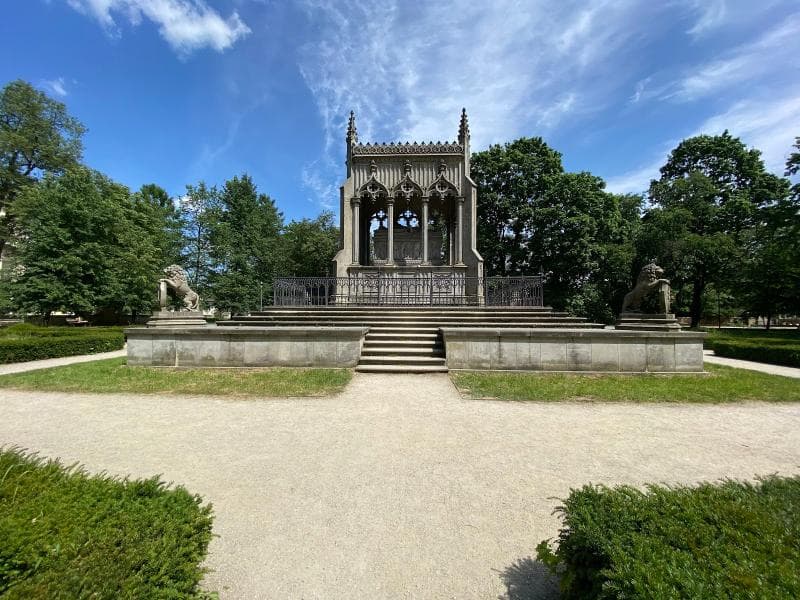
Discover the historic Orangery at Wilanów Palace in Warsaw, Poland. Explore its fascinating past, the exotic plants it once housed, and its current cultural role.
Overview
Nestled within the exquisite grounds of Wilanów Palace in Warsaw, Poland, the Orangery stands as a captivating testament to both horticultural ambition and architectural evolution. Originally conceived as a practical necessity to safeguard delicate, exotic plants from the harsh Polish winters, this elegant structure has transformed over centuries. Today, it serves as a dynamic cultural space, hosting a variety of temporary exhibitions and events, yet still whispers tales of its botanical past. Located in the northern part of the expansive Wilanów Park, the Orangery invites visitors to explore a unique blend of history, nature, and art within one of Poland's most significant royal residences.
History & Cultural Background
The tradition of cultivating exotic plants at Wilanów dates back to its first owner, King Jan III Sobieski, who appreciated the symbolic and aesthetic value of such flora. The earliest orangery associated with the palace was built for the King but was later demolished in 1724.
A more substantial orangery project began in 1725 under the patronage of Elżbieta Sieniawska, a prominent Polish stateswoman who acquired Wilanów in 1720. Designed by architects Giovanni Spazzio or Giuseppe Giacomo Fontana, this brick building with a distinctive red tiled roof was situated south of the palace. Its interior was meticulously planned, featuring a vestibule, a cellar, and a room with a green tiled stove, all arranged to provide optimal conditions for overwintering plants. This particular structure, however, was later dismantled in the late 1770s or early 1780s to make way for a new landscape garden.
The Orangery visible today, characterized by its strict Classicist form, was largely erected in 1749. Its design later received significant input from Stanisław Kostka Potocki, an 18th-century owner of Wilanów. This current iteration of the Orangery, located in the northern section of Wilanów Park, underwent rebuilding after World War II, ensuring its preservation and continued utility.
What Makes It Special
What sets the Wilanów Orangery apart is its fascinating journey from a purely functional greenhouse to a versatile cultural hub. Historically, it represented the cutting edge of horticultural technology and a symbol of wealth and status, allowing the cultivation of plants that could not survive the local climate. Its Classicist architecture, as shaped by Stanisław Kostka Potocki, provides an elegant backdrop to its evolving purpose.
Unlike many historical orangeries that may have faded into disuse, the Wilanów Orangery has found a new life as a vibrant space for temporary exhibitions, special events, and conferences. This adaptability, with features like movable walls, allows the building to cater to diverse needs while retaining its historical essence. It stands as a living example of how historical buildings can be sensitively repurposed for contemporary use, ensuring their relevance for future generations.
Stories, Fun Facts & Local Details
The Wilanów Orangery was once home to an astonishing array of exotic plants, a source of pride and fascination for its owners. Elżbieta Sieniawska's collection, for instance, garnered high praise from her gardener in 1725, who marvelled at the orangery's ingenious design for its fortification against fire.
The meticulous care given to these botanical treasures is evident in the records detailing their cultivation in special containers, including decorative Delftware vases. Historical accounts speak of plants like laurels, olive trees, and highly prized orange trees. Imagine the delight of seeing rare pineapple plants or even a pitcher plant, one of only two in Warsaw at the time, showcased during 19th-century botanical exhibitions held here. The dedication to gardening at Wilanów continued through generations, with figures like Aleksandra Potocka funding scholarships for aspiring horticulturists, highlighting the deep cultural significance of the palace's botanical heritage.
Visitor Perspective
For today's traveler, the Orangery at Wilanów Palace offers a unique glimpse into a continually evolving space. While you won't find it permanently filled with rows of citrus trees as in centuries past, its very presence evokes the grandeur of former royal gardening endeavors. Instead, expect to encounter thought-provoking temporary exhibitions that leverage the Orangery's ample space and adaptable interior.
Walking through its doors, you step into a venue that has seamlessly blended its historical function with modern utility. Depending on the season, the surrounding Orangery Garden may be adorned with exotic plants, nodding to its original purpose. During winter, a visit might coincide with the enchanting Royal Garden of Light nearby, adding another layer of magic to your experience. The Orangery provides a tranquil yet engaging stop, enriching your understanding of the Wilanów Palace complex as a place where history, nature, and contemporary culture beautifully intertwine.
Coordinates: 21.090278, 52.165278
View on Google Maps💬 How Travelers Describe This Place
Based on community votes
Interesting
639Photogenic
526Beautiful
421Unique
366Must See
212
Traveler Stories
Discover memorable experiences shared by travelers who have visited this place.
No traveler stories yet.
Be the first traveler to share what made this place memorable.

Tour
By
Spot
Discover amazing places around the world. Your journey starts here.
Explore
© 2026 TourBySpot. All rights reserved.