Orangery
Graz, Austria
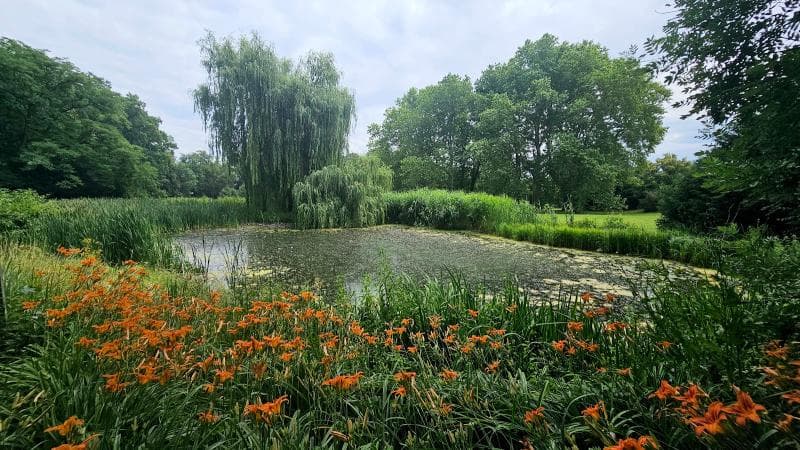
Explore the historical Orangery at Eggenberg Palace in Graz, Austria. Discover its past as a haven for exotic plants and its present as the site of the ancient Roman Lapidarium.
Overview
Nestled within the magnificent grounds of Eggenberg Palace in Graz, Austria, lies a site rich with botanical and historical intrigue: the former Orangery. While the original structure dedicated to cultivating exotic plants no longer stands, its foundations now serve as a fascinating display for the Roman Stonework Collection, known as the Lapidarium. This transformation offers a unique glimpse into the evolving functions and aesthetics of a grand palace garden. The Orangery was once a vibrant part of the palace's extensive gardens, which have been meticulously designed and redesigned over centuries, reflecting various horticultural trends and the ambitions of their princely owners. Today, visitors can appreciate the layered history of this special place, where the legacy of rare flora has given way to ancient archaeological treasures, all set against the backdrop of a UNESCO World Heritage site.
History & Cultural Background
The concept of an orangery emerged in Baroque Europe as a symbol of wealth, status, and a keen interest in botany. These specialized buildings, often grand in design, provided winter shelter for frost-sensitive citrus trees and other exotic plants acquired from distant lands. At Eggenberg Palace, the gardens themselves have a storied history, dating back to the early 17th century. Prince Johann Seyfried von Eggenberg, grandson of the palace's founder, Hans Ulrich von Eggenberg, significantly developed the gardens, initiating an Italian-style design in 1678. These early gardens were elaborate, featuring high clipped hedges, exotic botanical rarities, and even extensive greenhouses, indicating the presence and importance of cultivated plants.
Later, in the 18th century, Johann Leopold Count Herberstein, a subsequent owner, further transformed the gardens into a Rococo-style French garden, which included more greenhouses for tropical plants. This ongoing cultivation of rare species highlights the Orangery's essential role, even if its exact architectural form changed over time. The Orangery served not just as a practical horticultural facility but also as a public statement, demonstrating the family's connections to global trade and their scientific curiosity. Its existence underscored the sophisticated lifestyle and intellectual pursuits characteristic of European aristocracy during this period.
What Makes It Special
What truly makes the site of the Eggenberg Orangery special today is its remarkable evolution and repurposing. Where delicate citrus trees once flourished, the robust history of Roman Styria is now etched in stone. The foundations of the former Orangery now house the Lapidarium, a part of the Universalmuseum Joanneum's impressive Roman Stonework Collection. This collection presents a significant array of Roman artifacts, offering a tangible connection to the region's ancient past. It's a striking contrast: the delicate, temporary beauty of cultivated plants replaced by the enduring solidity of archaeological finds.
This unique blend of former botanical purpose and current archaeological exhibition reflects the broader ethos of Eggenberg Palace itself – a place where history, art, and science converge. The surrounding palace park, which transitioned from formal Baroque to a romantic English landscape garden in the 19th century, provides a verdant frame for this historical continuity. Visitors can ponder the layering of time and human endeavor, from the nurturing of exotic plants to the preservation of ancient civilizations' relics, all within a single, profoundly resonant space.
Stories, Fun Facts & Local Details
The gardens of Eggenberg Palace are alive with stories, and the former Orangery site is no exception. Imagine the diligent gardeners, tending to precious citrus trees during harsh Styrian winters, bringing a touch of the Mediterranean to Graz. The desire for such exotic plants was a sign of prestige, requiring significant resources and horticultural expertise. The palace itself is an architectural allegory of the universe, designed with precise numerical symbolism – 365 exterior windows for days, 24 state rooms for hours, and so on. The Orangery, as part of this grand cosmological design, further integrated the wonders of the natural world into the palace's symbolic framework.
A fun fact for visitors today is the presence of free-roaming peacocks throughout the park. These majestic birds add a vibrant, living connection to the historical grandeur of the estate, their calls echoing through the same paths where generations of noble families once strolled and admired their prized botanical collections. The Planetary Garden, another feature within the park, playfully echoes the palace's astronomical iconography, ensuring that even in its new form, the spirit of intellectual curiosity and symbolic design that once animated the Orangery continues to thrive across the gardens.
Visitor Perspective
For the curious traveler, a visit to the former Orangery at Eggenberg Palace offers a moment of quiet contemplation and discovery. As you walk through the serene palace park, you'll encounter the Lapidarium, displaying its collection of Roman stonework on the very ground where a vital part of the palace's botanical life once flourished. This is not just a place to see ancient stones; it's an opportunity to experience a unique historical dialogue. You can visualize the bustling activity of a working orangery, then shift your gaze to the stoic Roman artifacts, appreciating how history reclaims and repurposes its spaces.
The blend of natural beauty, historical remnants, and archaeological exhibits creates an enriching experience. It reminds us that even structures that no longer exist physically leave an indelible mark on a place's character. The Orangery, through its transformation into the Lapidarium, continues to be a point of interest, inviting visitors to delve deeper into the diverse cultural and natural heritage of Eggenberg Palace and Graz, Austria. Take a moment to appreciate the tranquility and the layers of history beneath your feet, connecting the Roman Empire to Baroque extravagance and the ever-present beauty of nature.
Coordinates: 15.39129, 47.07389
View on Google Maps💬 How Travelers Describe This Place
Based on community votes
Photogenic
869Beautiful
445Unique
416Must See
141Interesting
33
Traveler Stories
Discover memorable experiences shared by travelers who have visited this place.
No traveler stories yet.
Be the first traveler to share what made this place memorable.

Tour
By
Spot
Discover amazing places around the world. Your journey starts here.
Explore
© 2026 TourBySpot. All rights reserved.