Orangery
Vienna, Austria
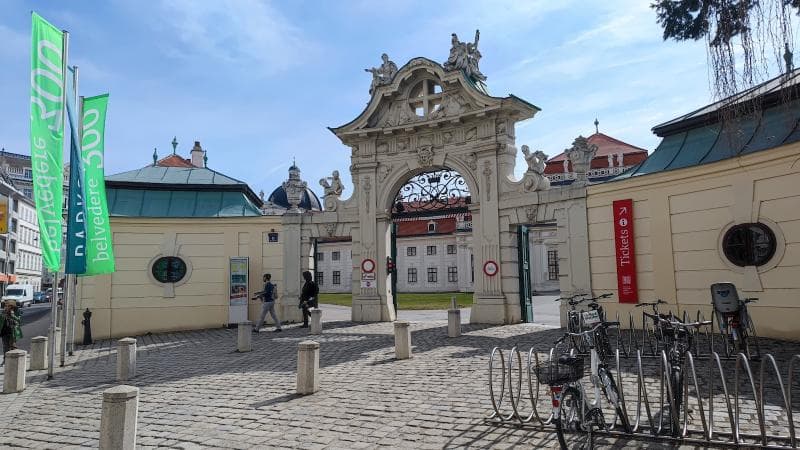
Discover the Belvedere Orangery in Vienna, Austria – once Prince Eugene's exotic winter garden, now a stunning contemporary art exhibition space. Explore its rich history and modern cultural significance.
Overview
Nestled within the magnificent Belvedere Palace complex in Vienna, Austria, the Orangery offers a fascinating glimpse into the opulent past and vibrant present of this Baroque masterpiece. Once a grand winter garden designed to shelter exotic plants, it now stands as a dynamic space dedicated to art and culture. This sub-spot, situated near the Lower Belvedere, provides a unique blend of historical significance and contemporary artistic expression, inviting travelers to explore its rich narrative. It forms an integral part of the sprawling Belvedere ensemble, a UNESCO World Heritage Site, which beckons visitors to discover its architectural splendor and artistic treasures.
History & Cultural Background
The Orangery's origins trace back to the early 18th century, around 1714, when it was commissioned by Prince Eugene of Savoy, the illustrious military commander and art connoisseur. Prince Eugene harbored a profound passion for botany and exotic flora, investing considerably in acquiring rare plants. The Orangery was constructed as a state-of-the-art solution to protect his precious citrus trees and other delicate specimens from Vienna's harsh winters. At the time, possessing such a collection symbolized immense wealth and cultural sophistication, reflecting the Baroque era's fascination with nature and grand horticultural displays. The architectural ingenuity was remarkable; the original design allowed for a removable roof and south-facing façade, which transformed the space into what appeared to be a natural outdoor orchard during the warmer months. This seasonal transformation allowed Prince Eugene's guests to marvel at his botanical wonders, making the Orangery a key element in the palace's overall design, crafted primarily by the renowned Baroque architect Johann Lukas von Hildebrandt.
What Makes It Special
What truly sets the Belvedere Orangery apart is its evolution from a functional greenhouse into a sophisticated cultural venue. While the fragrant citrus trees that once filled its halls are no longer present, the building itself has been reimagined for a new purpose: a cutting-edge exhibition space. This transformation created a modern gallery that now hosts temporary special exhibitions, predominantly featuring contemporary art. The contrast between the Baroque exterior and the contemporary art within offers a compelling dialogue between past and present. Visitors walk through a space originally conceived to nurture botanical life, now nurturing artistic innovation. Its location within the Lower Belvedere makes it easily accessible, often connected by a glass corridor, allowing for a seamless transition from the historical grandeur of the palace to the thought-provoking world of modern art. This dual identity, respecting its historical shell while embracing a modern artistic mission, makes the Orangery a unique and memorable part of the Belvedere experience.
Stories, Fun Facts & Local Details
Prince Eugene's affection for plants was legendary; he spared no expense in cultivating exotic varieties. He even reportedly introduced fruits like pineapples and bananas to Vienna through his extensive network. Imagine the awe of his contemporaries viewing these tropical wonders in the heart of Austria! The Orangery was more than just a greenhouse; it was a statement of power, intellect, and refined taste. When first completed, it was an engineering marvel, capable of protecting sensitive plants through extreme temperatures, from summer highs of 35°C to winter lows of -15°C. This impressive climate control, for its time, allowed for year-round displays of warmth-loving flora. Today, while the orange trees are gone, the spirit of cultivation remains, albeit through the vibrant cultivation of ideas and artistic dialogue. The view from the Orangery, particularly from the main entrance end of the connecting corridor, offers an almost unchanged vista of the privy gardens leading up to the Upper Belvedere, providing a moment of immersion in the 18th-century landscape.
Visitor Perspective
For the curious traveler, visiting the Orangery is an enriching complement to exploring the broader Belvedere Palace complex. It offers a distinct experience from the main art collections in the Upper Belvedere, known for housing Gustav Klimt's 'The Kiss,' and the historical rooms of the Lower Belvedere. Access to the Orangery is typically included with a ticket to the Lower Belvedere, making it an integrated part of your visit. It provides an opportunity to see how historical spaces are repurposed and given new life, showcasing Vienna's ongoing commitment to art and culture. Plan to spend some time exploring the current temporary exhibition, as the rotating nature of the shows means there's always something new to discover. Standing in the Orangery, you can appreciate the architectural foresight of Prince Eugene, envisioning the grand botanical displays that once flourished here, even as you engage with the contemporary art on display. It's a thoughtful journey through time, blending Baroque elegance with modern artistic sensibilities, all within the breathtaking setting of the Belvedere gardens.
Coordinates: 16.38028, 48.19417
View on Google Maps💬 How Travelers Describe This Place
Based on community votes
Interesting
800Must See
658Beautiful
589Photogenic
387Unique
90
Traveler Stories
Discover memorable experiences shared by travelers who have visited this place.
No traveler stories yet.
Be the first traveler to share what made this place memorable.

Tour
By
Spot
Discover amazing places around the world. Your journey starts here.
Explore
© 2026 TourBySpot. All rights reserved.