Opera Plaza
Hanoi, Vietnam
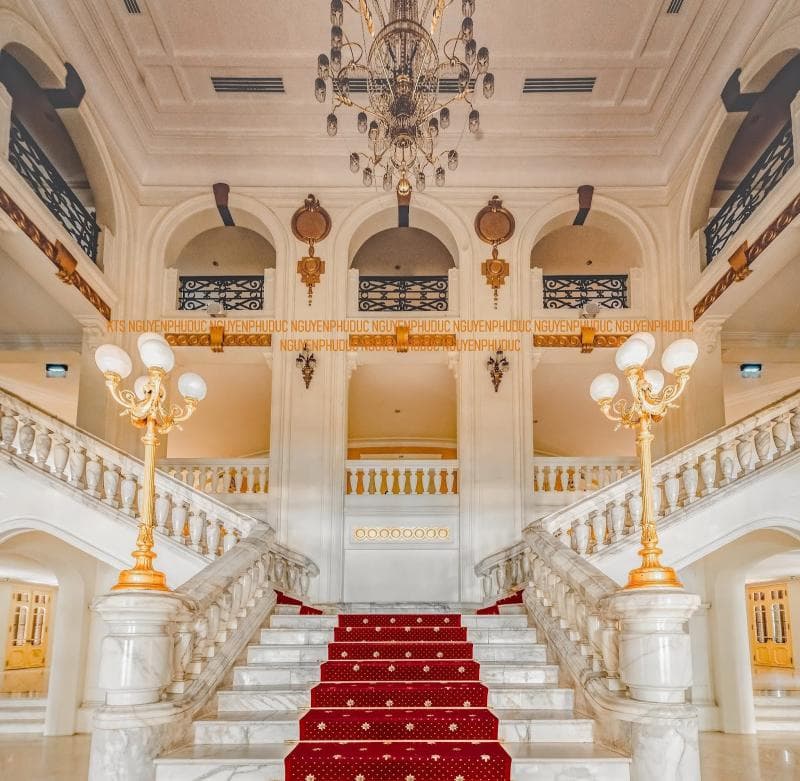
Discover August Revolution Square, the historic plaza fronting Hanoi Opera House in Hanoi, Vietnam – a blend of French colonial architecture and Vietnamese heritage.
Overview
When travelers envision the vibrant heart of Hanoi, images of the majestic Hanoi Opera House often come to mind. While some may search for 'Opera Plaza,' they are likely referring to the grand public space directly in front of this iconic edifice, officially known as August Revolution Square (Quảng trường Cách mạng Tháng Tám). This prominent plaza is not merely an open area but a focal point for both daily life and significant events in the Vietnamese capital. It serves as an architectural foreground to the Opera House, offering panoramic views of its French colonial grandeur and providing a natural gathering place for locals and visitors alike. The square, with its sweeping expanse, invites reflection on the city's rich history and its dynamic present, blending European elegance with Vietnamese spirit.
Situated at the intersection of several bustling streets, August Revolution Square is easily accessible and forms a vital part of Hanoi's cultural landscape. It’s a place where the city's pulse is keenly felt, from morning exercises to evening strolls, and a popular spot for photography enthusiasts capturing the timeless beauty of the Opera House, especially when illuminated at night. This area embodies a unique synthesis of historical depth and modern vitality, making it an essential experience for anyone seeking to understand the essence of Hanoi.
History & Cultural Background
The history of August Revolution Square is inextricably linked to that of the Hanoi Opera House, both born from the French colonial era. Construction of the Opera House began in 1901 and was completed in 1911, inspired by the opulent Palais Garnier in Paris. French architects Broyer and V. Harley initially designed the project, with later refinements by Francois Lagisquet, aiming to create a cultural hub for European officials and the elite.
Initially known as 'Theater Square' during the colonial period, the plaza bore witness to the introduction of Western arts, including opera, ballet, and classical concerts, though access was primarily restricted to the upper class. However, its cultural significance transcended its colonial origins. Following Vietnam's independence, the square and the Opera House became symbols of national pride and self-determination. It was here, on August 19, 1945, that a massive rally took place, sparking the August Revolution and marking a pivotal moment in the country's fight for liberation. The Opera House subsequently hosted the first session of the National Assembly of the Democratic Republic of Vietnam in 1946, further cementing its place in the nation's historical narrative.
What Makes It Special
August Revolution Square's distinctiveness stems from its unique architectural backdrop and its profound historical resonance. The Hanoi Opera House itself is a masterpiece of French neoclassical architecture, characterized by its imposing facade, Roman Ionic columns, ornate balconies, and a subtle blend of Baroque and even Art Nouveau elements. Its striking yellow exterior, typical of many colonial buildings in the region, makes it a visually stunning landmark.
The plaza itself serves as an expansive stage for the Opera House's architectural drama. It is a space designed for grand public gatherings, offering an unobstructed view of the Opera House's intricate details. Unlike many urban squares, it manages to feel both monumental and welcoming, bustling with activity yet retaining an air of historical dignity. The juxtaposition of the European-inspired architecture with the vibrant everyday life of Hanoi locals creates a captivating atmosphere. The square’s capacity to host diverse events, from historical commemorations to modern cultural festivals, underscores its adaptability and enduring relevance as a central public space in Hanoi.
Stories, Fun Facts & Local Details
One of the most compelling stories associated with August Revolution Square is its role in the 1945 August Revolution. The mass rally held here, attended by hundreds of thousands, was a defining moment that led to the end of Japanese occupation and the declaration of Vietnam's independence. Imagine the sheer energy and hope that filled this very space during such a monumental occasion. Another interesting fact is that despite being modeled after the Palais Garnier, some architectural observers suggest the Hanoi Opera House, built nearly three centuries later, benefited from avoiding some of the Parisian original's more superfluous details, resulting in a distinct and equally magnificent aesthetic.
Today, the square is a favorite spot for Hanoians. You’ll often see wedding parties posing for photographs against the elegant backdrop of the Opera House, or groups practicing traditional dance and exercise in the mornings and evenings. It’s also a common meeting point before enjoying a performance at the Opera House or exploring the nearby bustling streets. The square’s open nature makes it a perfect place for people-watching and experiencing the local rhythm of life. Its proximity to other significant landmarks, such as Hoan Kiem Lake and the Vietnam National Museum of History, makes it a natural hub for cultural exploration.
Visitor Perspective
For a curious traveler, a visit to August Revolution Square and the Hanoi Opera House is a journey through time and culture. You can begin by simply admiring the exterior of the Opera House from the square, taking in its detailed architecture and imagining the historical events that unfolded here. The recommended duration for appreciating the square's architecture and taking photos is about 30 to 45 minutes, though many find themselves lingering longer, soaking in the ambiance.
Consider timing your visit during sunset or the 'Blue Hour,' when the Opera House's exterior is beautifully illuminated, creating a stunning visual spectacle. While guided tours of the Opera House's interior are available for those interested in its grand foyer, mirror room, and auditorium, simply experiencing the square offers a profound connection to Hanoi's past and present. The area is easily accessible, whether by walking from Hoan Kiem Lake, a short 5-7 minute stroll, or via taxi and public transport. Many choose to combine their visit with explorations of the nearby French Quarter, Hoan Kiem Lake, and the Vietnam National Museum of History, making it a central and enriching part of any Hanoi itinerary.
Coordinates: 105.85783, 21.02419
View on Google Maps💬 How Travelers Describe This Place
Based on community votes
Beautiful
831Photogenic
685Interesting
433Must See
232Unique
211
Traveler Stories
Discover memorable experiences shared by travelers who have visited this place.
No traveler stories yet.
Be the first traveler to share what made this place memorable.

Tour
By
Spot
Discover amazing places around the world. Your journey starts here.
Explore
© 2026 TourBySpot. All rights reserved.