Opera Performances
Venice, Italy
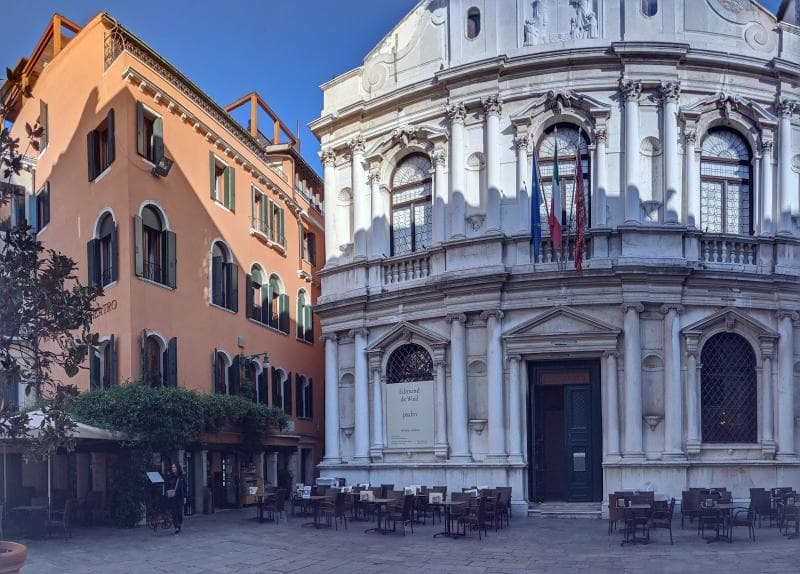
Experience opera performances at Teatro La Fenice in Venice, Italy. Explore its rich history, architectural beauty, and cultural significance.
Overview
Teatro La Fenice, nestled in the heart of Venice, Italy, stands as a paramount symbol of Italian theatre and a legendary opera house globally. Its name, 'The Phoenix', is profoundly fitting, reflecting its remarkable history of rising from devastating fires, not once, but twice, to reclaim its splendor. More than just a venue for opera performances, La Fenice is a testament to resilience and the enduring spirit of Venetian culture and art. It continues to be a vibrant center for world-class opera, concerts, and ballet, drawing admirers from across the globe to experience its opulent interiors and exceptional acoustics.
History & Cultural Background
The story of Teatro La Fenice began in 1792, born from the ashes of another Venetian theatre, the Teatro San Benedetto, which was destroyed by fire in 1774. The Noble Society of Box-holders commissioned architect Gianantonio Selva to design a new, grander theatre. Just as its name suggests, La Fenice was destined to face the flames again. In 1836, a fire, reportedly caused by a defective stove, ravaged the theatre, but it was swiftly rebuilt within a year by architects Tommaso and Gian Battista Meduna, maintaining its neoclassical elegance. The 19th century marked a 'golden age' for La Fenice, becoming a crucial stage for the premieres of many operatic masterpieces by the era's greatest composers. Giuseppe Verdi, in particular, saw several of his works, including 'Rigoletto', 'Attila', and the famously initially ill-received 'La Traviata', debut on its stage. Tragically, on January 29, 1996, arsonists again reduced the theatre to rubble, leaving only its exterior walls. However, a worldwide movement championed its reconstruction under the motto 'com'era, dov'era' (as it was, where it was). Faithfully rebuilt using historical records and advanced techniques, La Fenice reopened in December 2003, with its grand interiors meticulously restored to their original 18th-century glory.
What Makes It Special
What truly sets Teatro La Fenice apart is its exquisite 'Italian-style' architectural design, featuring five tiers of ornate boxes, a characteristic of 18th-century Italian theatres. The stunning ceiling, adorned with frescoes and a magnificent central chandelier, contributes to an ambiance of pure Venetian grandeur. Its world-renowned acoustics, miraculously preserved even after the 1996 fire due to the intact exterior walls, allow every note to resonate with clarity and depth, creating an unparalleled auditory experience for opera lovers. The faithful reconstruction after the fires speaks volumes about the city's dedication to its cultural heritage, ensuring that the magic of La Fenice lives on. Since its reopening in 2003, La Fenice has also become internationally recognized for hosting the spectacular New Year's Concert, broadcast live, captivating audiences worldwide.
Stories, Fun Facts & Local Details
One fascinating detail often shared about La Fenice is the initial reception of Verdi's 'La Traviata'. Despite being a pillar of the operatic repertoire today, its premiere on March 6, 1853, was reportedly a resounding flop, met with boos from the audience, much to Verdi's dismay. The 1996 fire, later determined to be arson by electricians working at the theatre, shocked the world, but it also spurred an incredible collective effort to rebuild the cherished landmark. Another intriguing aspect of old Venetian theatres, including La Fenice, is their original main entrance. Historically, due to Venice's unique waterways, the grandest entrance was often from the canal, allowing nobles to arrive directly by gondola. Today, while the main public access is from Campo San Fantin, this historical detail paints a vivid picture of Venetian high society. The theatre also houses a permanent exhibition dedicated to the legendary soprano Maria Callas, celebrating her profound connection to the world of opera.
Visitor Perspective
Visiting Teatro La Fenice, whether for a performance or a guided tour, is an immersive journey into Venice's rich artistic past and present. During daytime visits, an audio guide, available in multiple languages, leads you through the magnificent foyer, the main theatre hall with its iconic red leather seating and golden balustrades, the royal box, and the elegant Apollonian Rooms, revealing secrets and stories behind each space. For those attending an opera, the experience is truly unforgettable. The theatre recommends an elegant dress code for evening performances, contributing to the sense of occasion. Witnessing a world-class production within these historically charged walls, where so many operatic legends have graced the stage, is to connect directly with the living legacy of Italian opera. It's an opportunity to feel the emotional resonance of the performances and to appreciate the artistry that has continually risen from the ashes, just like the phoenix itself.
Coordinates: 12.3339, 45.4337
View on Google Maps💬 How Travelers Describe This Place
Based on community votes
Unique
953Must See
695Interesting
658Photogenic
69Beautiful
22
Traveler Stories
Discover memorable experiences shared by travelers who have visited this place.
No traveler stories yet.
Be the first traveler to share what made this place memorable.

Tour
By
Spot
Discover amazing places around the world. Your journey starts here.
Explore
© 2026 TourBySpot. All rights reserved.