Opera Hall
Astana, Kazakhstan
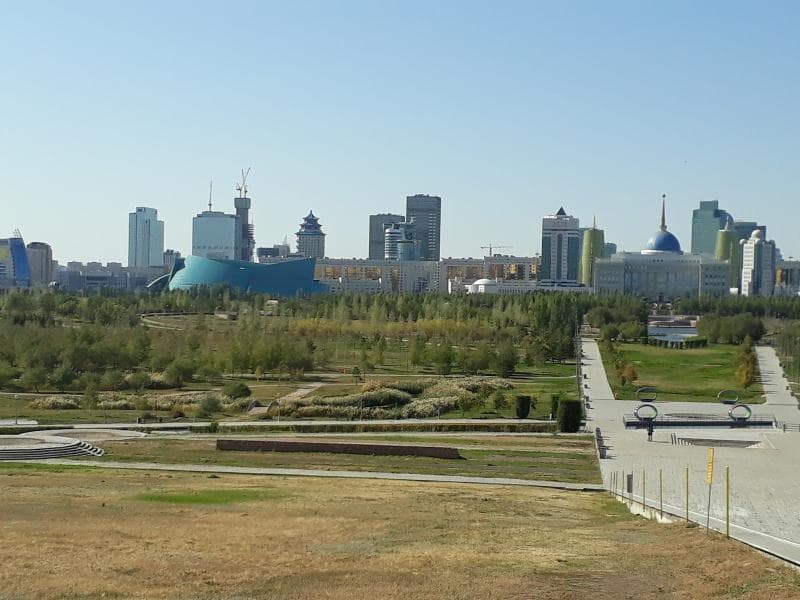
Discover the stunning Opera Hall within the Palace of Peace and Reconciliation in Astana, Kazakhstan, a cultural gem in a unique pyramid. Learn about its architecture, history, and performances.
Overview
Deep within the architectural marvel that is the Palace of Peace and Reconciliation in Astana, Kazakhstan, lies its distinguished Opera Hall. This magnificent venue, nestled within the iconic pyramid, serves as a beacon of cultural expression and artistic performance in Central Asia. Designed by the acclaimed British architect Sir Norman Foster, the Palace itself is a symbol of global unity and interfaith dialogue, completed in 2006. The Opera Hall is an integral part of this vision, providing a world-class stage for both local and international artists.
The Palace of Peace and Reconciliation, often referred to simply as 'The Pyramid', stands 62 meters tall with a 62-meter square base, adhering to the principles of the 'Golden Section Fibonacci'. Its striking design, blending steel, granite, and glass, makes it a prominent landmark in Astana. The Opera Hall, situated within the lower levels of this impressive structure, is known for its exquisite interior and advanced technical capabilities, drawing visitors from around the globe to experience its cultural offerings.
History & Cultural Background
The concept for the Palace of Peace and Reconciliation originated from Kazakhstan's First President, Nursultan Nazarbayev, who envisioned a permanent venue for the triennial Congress of Leaders of World and Traditional Religions. This ambitious project aimed to foster peace, understanding, and tolerance among diverse cultures and faiths. Construction began in 2204 and was swiftly completed by 2006, demonstrating a remarkable feat of modern engineering and design in a challenging climate.
The Opera Hall's grand opening was marked by a memorable performance by the legendary Spanish opera star Montserrat Caballé, cementing its status as a prestigious cultural institution from its inception. This event not only showcased the hall's exceptional acoustics and facilities but also underlined Kazakhstan's commitment to promoting arts and culture on an international stage. The hall has since played a vital role in the cultural life of Astana, hosting a variety of performances that enrich the city's artistic landscape.
What Makes It Special
The Opera Hall in the Palace of Peace and Reconciliation is truly special due to its unique location within a symbolic pyramid dedicated to global harmony. Unlike many traditional opera houses, this venue is housed within a structure that champions interfaith dialogue and cultural diversity. Its architecture is a testament to overcoming environmental challenges, designed to withstand extreme temperature fluctuations ranging from -40 to over 40 degrees Celsius.
The interior design of the hall is equally captivating, featuring rich burgundy and gold tones that evoke a sense of grandeur and elegance. Natural light streams in through a distinctive 'sun-window' located above, adding to its unique ambiance. The hall boasts state-of-the-art sound equipment and a complex stage setup, including main, side, and back stages, along with an orchestra pit capable of accommodating up to 80 musicians. This advanced technical infrastructure allows for a wide array of productions, from classical operas and ballets to modern concerts and international conferences.
Stories, Fun Facts & Local Details
One of the most fascinating aspects of the Palace, and by extension its Opera Hall, is the architectural ingenuity required to build it. Sir Norman Foster and his team engineered the pyramid to adapt to Astana's harsh climate. Three of the pyramid's corners rest on bridge bearings, a technique usually reserved for bridges, allowing the structure to expand and contract by up to 30 cm due to temperature changes without incurring stress. This innovative approach ensures the building's longevity and stability.
The Opera Hall itself, with a seating capacity of approximately 1300 to 1500, offers audiences an intimate yet grand experience. It's often praised for its excellent acoustics, providing an immersive auditory journey for opera, ballet, and musical performances. The presence of numerous dressing rooms, totaling between 18 and 25, indicates its readiness to host large-scale productions with extensive casts and technical requirements.
Visitor Perspective
For a curious traveler, a visit to the Opera Hall within the Palace of Peace and Reconciliation offers more than just a performance; it's an encounter with a profound symbol of Kazakhstan's national identity. Visitors can experience the grandeur of its interior, reflecting the nation's rich cultural aspirations, before or after attending a show. Guided tours of the Palace often include insights into the Opera Hall, detailing its design and significance.
The journey through the pyramid to reach the hall is an experience in itself, with diagonal elevators providing panoramic views of the interior spaces, including the beautiful 'hanging gardens' and the vast Cheops Atrium. Attending a performance here connects travelers to Astana's vibrant cultural scene, offering a unique blend of architectural wonder and artistic excellence in a building dedicated to peace and unity. It's an opportunity to witness how art thrives within a monument of global significance.
Coordinates: 71.46361, 51.12306
View on Google Maps💬 How Travelers Describe This Place
Based on community votes
Must See
996Unique
673Photogenic
186Beautiful
143Interesting
80
Traveler Stories
Discover memorable experiences shared by travelers who have visited this place.
No traveler stories yet.
Be the first traveler to share what made this place memorable.

Tour
By
Spot
Discover amazing places around the world. Your journey starts here.
Explore
© 2026 TourBySpot. All rights reserved.