Onofrio Fountain
Dubrovnik, Croatia
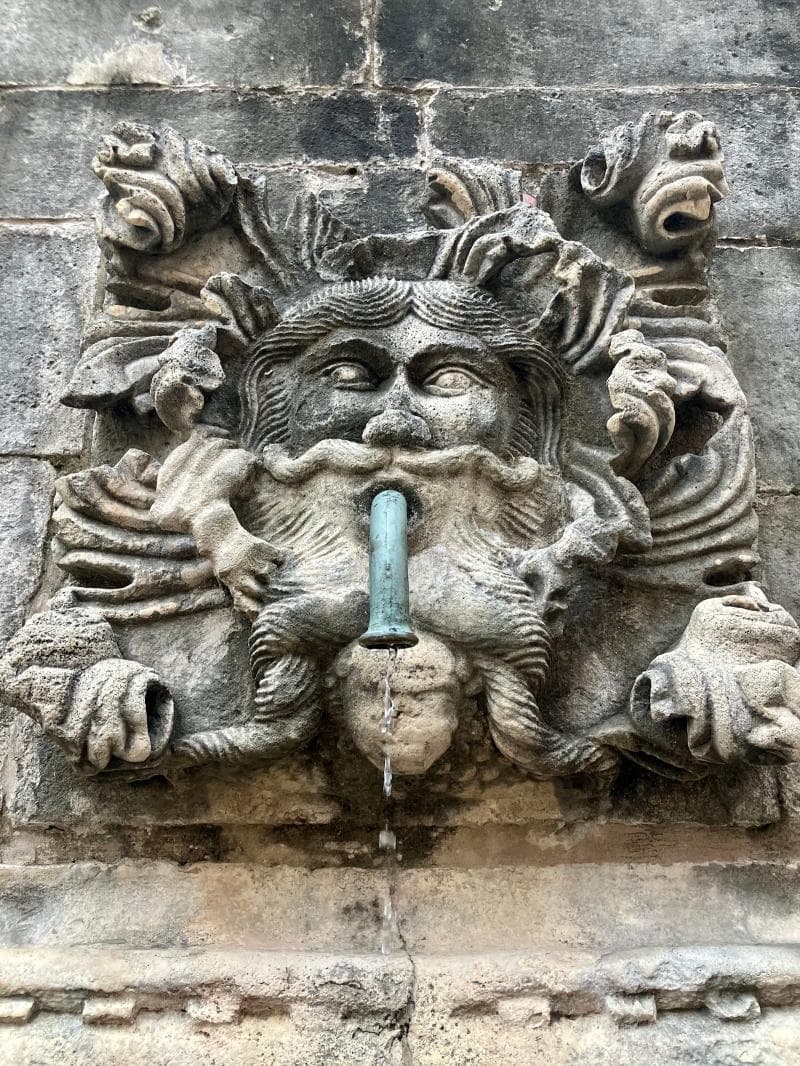
Discover Onofrio Fountain in Dubrovnik, Croatia, a 15th-century engineering marvel on Stradun providing fresh water and rich history.
Overview
As you step through Dubrovnik's iconic Pile Gate and onto the grand Stradun, one of the first sights to greet you is the magnificent Onofrio Fountain. This prominent circular structure, often called the Large Onofrio Fountain to distinguish it from its smaller counterpart, stands as a testament to Dubrovnik's ingenuity and historical resourcefulness. More than just a beautiful monument, it has served as a vital source of fresh drinking water for centuries, a silent witness to the city's vibrant history and a welcoming landmark for all who enter its ancient walls. Today, it remains a bustling meeting point, a refreshing stop for travelers, and a picturesque spot steeped in tradition and charm.
History & Cultural Background
Life within the walled city of Dubrovnik, especially during its long, dry summers, posed a constant challenge: securing a reliable water supply. Before the construction of the aqueduct, the city relied on rainwater collected in cisterns and public wells. Recognizing the critical need for a more robust system, the Republic's Great Council issued a decree in 1436 to construct an aqueduct. The ambitious project was entrusted to Onofrio di Giordano della Cava, a Neapolitan architect, who masterfully designed a 12-kilometer (7.5-mile) gravity-fed aqueduct system. This engineering marvel brought fresh spring water from Šumet in Rijeka Dubrovačka directly into the heart of Dubrovnik.
The Large Onofrio Fountain was completed between 1438 and 1440, marking the triumphant culmination of this extensive waterworks. It was originally far more ornate than its present appearance, featuring elaborate Gothic sculptures, including a cupola topped with a dragon statue. However, much of its original beauty was tragically lost during the devastating earthquake of 1667, which significantly damaged the fountain. Despite the destruction, it was carefully restored, albeit in a more simplified form, preserving its essential function and grandeur.
What Makes It Special
What truly sets Onofrio Fountain apart is its dual identity as both an architectural marvel and a deeply practical piece of infrastructure. In the 15th century, the construction of a 12-kilometer aqueduct, relying solely on gravity to transport water, was a remarkable feat of engineering. The fountain itself is a monumental 16-sided structure, topped with a distinctive cupola. Each of its sixteen sides is adorned with a unique 'maskeron'—a stone-carved masked face—from whose mouth water continuously flows. These expressive faces not only serve a functional purpose but also add an artistic flair that captures the imagination. The fountain's ability to withstand centuries of history, including a major earthquake, and continue to provide fresh water, speaks volumes about its robust construction and enduring significance. It embodies the Republic of Ragusa's advanced technical capabilities and its dedication to public welfare.
Stories, Fun Facts & Local Details
For nearly six centuries, Onofrio Fountain was the primary source of drinking water for Dubrovnik's citizens, a role it maintained until the late 19th century when modern plumbing was introduced. Today, the water flowing from its spouts is still perfectly potable, cool, and refreshing, making it a beloved spot for both locals and tourists to refill their water bottles, especially on a warm Croatian day. Many travelers partake in the tradition of drinking from each of the sixteen spouts, sometimes making a wish, believing in the magical quality of the place.
Among its unique decorative elements, a small statue of a dog, locally known as 'kuchak' or 'fountain dog', once graced the top walls of the fountain. While the original was lost in the 1667 earthquake, a replica was lovingly reinstalled in 2016, adding a touch of historical whimsy. The fountain's prominent location and historical significance have also woven it into local lore and popular culture. While the Small Onofrio Fountain is famously featured in local Renaissance playwright Marin Držić's 'Novela od Stanca', the larger fountain and its surrounding area have also served as a backdrop for scenes in the globally popular television series 'Game of Thrones', further cementing its place in contemporary imagination.
Visitor Perspective
For any visitor to Dubrovnik, Onofrio Fountain is an unavoidable and essential stop. Situated immediately inside the Pile Gate at the start of Stradun, it acts as a natural gateway to the Old Town and an intuitive meeting point. Its continuous flow of fresh, drinkable water offers a welcome respite for those exploring the city on foot, providing hydration and a moment to pause and absorb the historical ambiance. The fountain's impressive size and intricate maskerons offer wonderful photographic opportunities, capturing the blend of utility and artistry that defines Dubrovnik. It's a place where history feels alive, where you can literally drink from the same source that sustained generations of Dubrovnik's inhabitants, all while planning your next adventure down the charming streets of the Old Town.
Coordinates: 18.1073, 42.6415
View on Google Maps💬 How Travelers Describe This Place
Based on community votes
Unique
995Beautiful
964Photogenic
929Interesting
730Must See
482
Traveler Stories
Discover memorable experiences shared by travelers who have visited this place.
No traveler stories yet.
Be the first traveler to share what made this place memorable.

Tour
By
Spot
Discover amazing places around the world. Your journey starts here.
Explore
© 2026 TourBySpot. All rights reserved.