Ongpin Street
Manila, Philippines
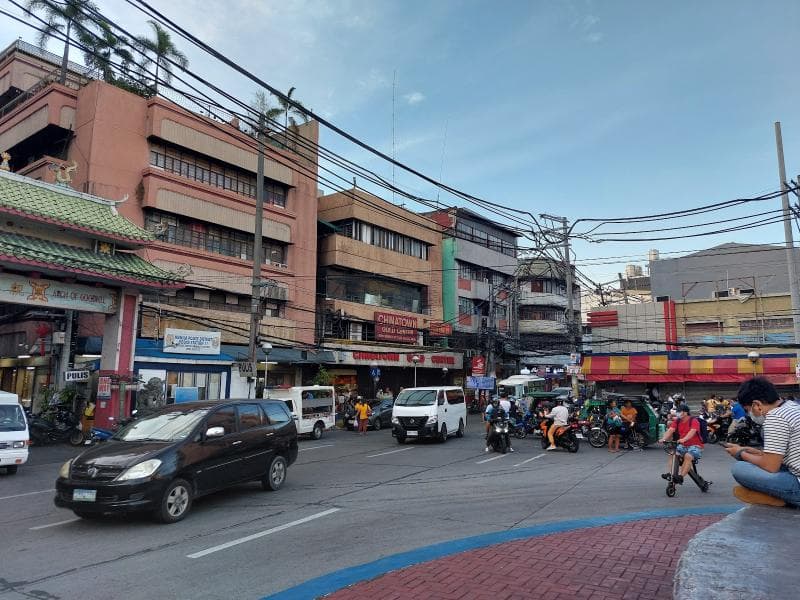
Explore Ongpin Street in Binondo, Manila, Philippines – the vibrant heart of the world's oldest Chinatown, renowned for its rich history, unique culture, and incredible Chinese-Filipino cuisine and jewelry. Discover its stories and flavors.
Overview
Ongpin Street, nestled within the historic Binondo district of Manila, Philippines, serves as the vibrant heart of the world's oldest Chinatown. This bustling thoroughfare is a dynamic fusion of Chinese and Filipino cultures, a testament to centuries of trade, migration, and community building. Visitors are immediately immersed in a sensory experience, from the aroma of diverse cuisines to the sight of traditional shops adorned with auspicious red and gold hues. It is a place where rich history, vibrant commerce, and an unforgettable culinary journey converge, inviting curious travelers to explore its unique character.
History & Cultural Background
The story of Ongpin Street is inextricably linked to Binondo's long and colorful past. Binondo itself was established in 1594 by Spanish Governor-General Luis Pérez Dasmariñas as a permanent settlement for Catholic Chinese immigrants, known as 'Sangleys'. This strategic location across the Pasig River from Intramuros allowed Spanish authorities to monitor the Chinese community while benefiting from their trade. Over centuries, Binondo flourished, becoming a significant commercial and financial hub. Ongpin Street, originally known as Calle Sacristia, was later renamed in honor of Don Roman Ongpin. Roman Ongpin was a prominent Chinoy businessman and philanthropist, born in Binondo in 1847. He owned an art supplies store called 'El 82' and played a crucial, albeit secret, role in supporting Filipino revolutionaries against both Spanish and American forces. His dedication to the Philippine Revolution earned him lasting respect, culminating in the street's renaming on September 17, 1915, and the erection of a monument near Binondo Church.
What Makes It Special
Ongpin Street is renowned for several distinguishing features that make it a captivating destination. It is widely recognized as the 'Jewellery Capital of the Philippines,' with numerous stores specializing in gold, precious stones, and traditional Chinese charms, many of which are family-owned and operated by Binondo's Chinese residents. Beyond its glittering offerings, Ongpin is a treasure trove of traditional Chinese goods, including herbal medicines, exotic teas, dried ingredients, and everything necessary for authentic Chinese cooking. The street is also a major gastronomic hotspot, celebrated for its incredible array of Chinese-Filipino fusion cuisine.
- Culinary Delights: Visitors can embark on a 'Binondo Food Crawl' to sample dishes ranging from traditional dim sum, fried siopao, and hand-pulled noodles to hopia (sweet bean-filled pastries) and unique coffee concoctions with a Binondo twist.
- Cultural Landmarks: The street connects significant spiritual sites like the Binondo Church (Minor Basilica and National Shrine of Saint Lorenzo Ruiz), founded in 1596, and extends towards Santa Cruz Church. A replica of the Santo Cristo de Longos, a venerated Christ figure, can be found at the corner of Tomas Pinpin and Ongpin Streets, reflecting the blend of Catholic and Chinese spiritual practices.
- Unique Shopping Experience: From intricate gold jewelry to traditional Chinese remedies and feng shui items, the shops on Ongpin offer a glimpse into a centuries-old trading tradition.
Stories, Fun Facts & Local Details
The narrative of Ongpin Street is filled with intriguing tales and cultural nuances. Don Roman Ongpin's support for the Philippine Revolution was a carefully guarded secret; his store, 'El 82,' served as a covert meeting place for revolutionaries and a conduit for ammunition supplies. He even refused to sell his products to American colonizers, demonstrating his unwavering patriotism. The street itself embodies the spirit of Chinese prosperity, with red symbolizing luck, yellow for fortune, and gold for wealth adorning many establishments. Trilingual street signs, often in English, Filipino, and traditional Chinese scripts, are a distinct characteristic of Binondo, highlighting its multicultural identity. The area's enduring mercantile character and the entrepreneurial spirit of its residents, many descendants of early Chinese settlers, continue to shape its lively atmosphere.
Visitor Perspective
For a curious traveler, Ongpin Street offers an immersive experience unlike any other. It is a place to get lost in the vibrant chaos, where every turn reveals a new scent, sound, or sight. The street is particularly lively during festivals like Chinese New Year, when dragon dances and parades fill the air with celebration. Many visitors flock to Ongpin specifically for a 'food crawl,' navigating its numerous eateries and street stalls to taste authentic Chinese-Filipino flavors. It's a place where tradition and modernity coexist, where ancestral shopfronts stand beside contemporary cafes, offering both a historical journey and a taste of present-day Manila. The bustling energy, the rich blend of cultures, and the sheer variety of experiences make exploring Ongpin Street a memorable adventure, providing a deep connection to the enduring heritage of the world's oldest Chinatown.
Coordinates: 120.984222, 14.599512
View on Google Maps💬 How Travelers Describe This Place
Based on community votes
Unique
934Must See
879Beautiful
741Interesting
276Photogenic
30
Traveler Stories
Discover memorable experiences shared by travelers who have visited this place.
No traveler stories yet.
Be the first traveler to share what made this place memorable.

Tour
By
Spot
Discover amazing places around the world. Your journey starts here.
Explore
© 2026 TourBySpot. All rights reserved.