Onboard Seating & Interior Design
Hong Kong, China
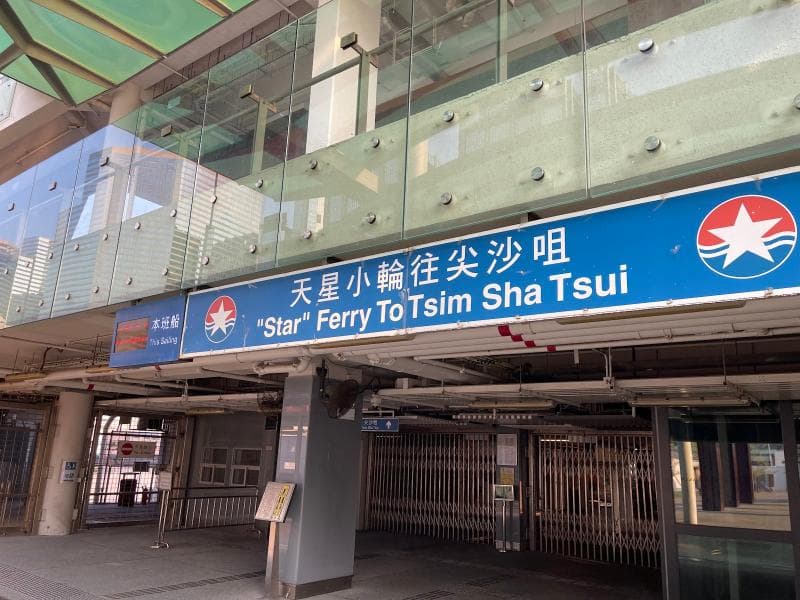
Explore the historic Star Ferry's onboard seating and interior design in Hong Kong, China. Discover its unique features, cultural context, and visitor experience.
Overview
The Star Ferry in Hong Kong is more than just a mode of transport; it is a beloved icon, offering a nostalgic journey across Victoria Harbour. While the panoramic views of the skyline are often highlighted, the 'Onboard Seating & Interior Design' itself tells a story of tradition, functionality, and historical charm. The ferries, distinctive with their green and white livery, maintain a classic 1920s-style aesthetic, even with modern updates. Passengers can choose between various seating options across the double-decker vessels, each providing a unique perspective of the crossing.
The interior of a Star Ferry is designed for practicality and comfort, serving millions of passengers annually. The seating arrangement is generally unreserved, allowing travelers to find their preferred spot. Whether seeking open-air breezes or air-conditioned comfort, the design caters to both the daily commuter and the curious sightseer.
History & Cultural Background
The Star Ferry's history dates back to 1888 when the Kowloon Ferry Company was founded, later renamed the Star Ferry Company in 1898. The design of the ferries, including their interior, has largely retained much of its historical flair. In earlier days, a class-based system influenced the onboard experience. The upper deck featured first-class seating, often requiring a dress code, while the lower deck accommodated third-class passengers on backless benches.
This historical stratification highlights the ferry's integral role in Hong Kong's social fabric. Over the decades, while some aspects have modernized, the core design philosophy emphasizing robust, practical, and enduring features has remained. The ferries' enduring presence has made them a significant piece of Hong Kong's heritage, connecting the past to the present.
What Makes It Special
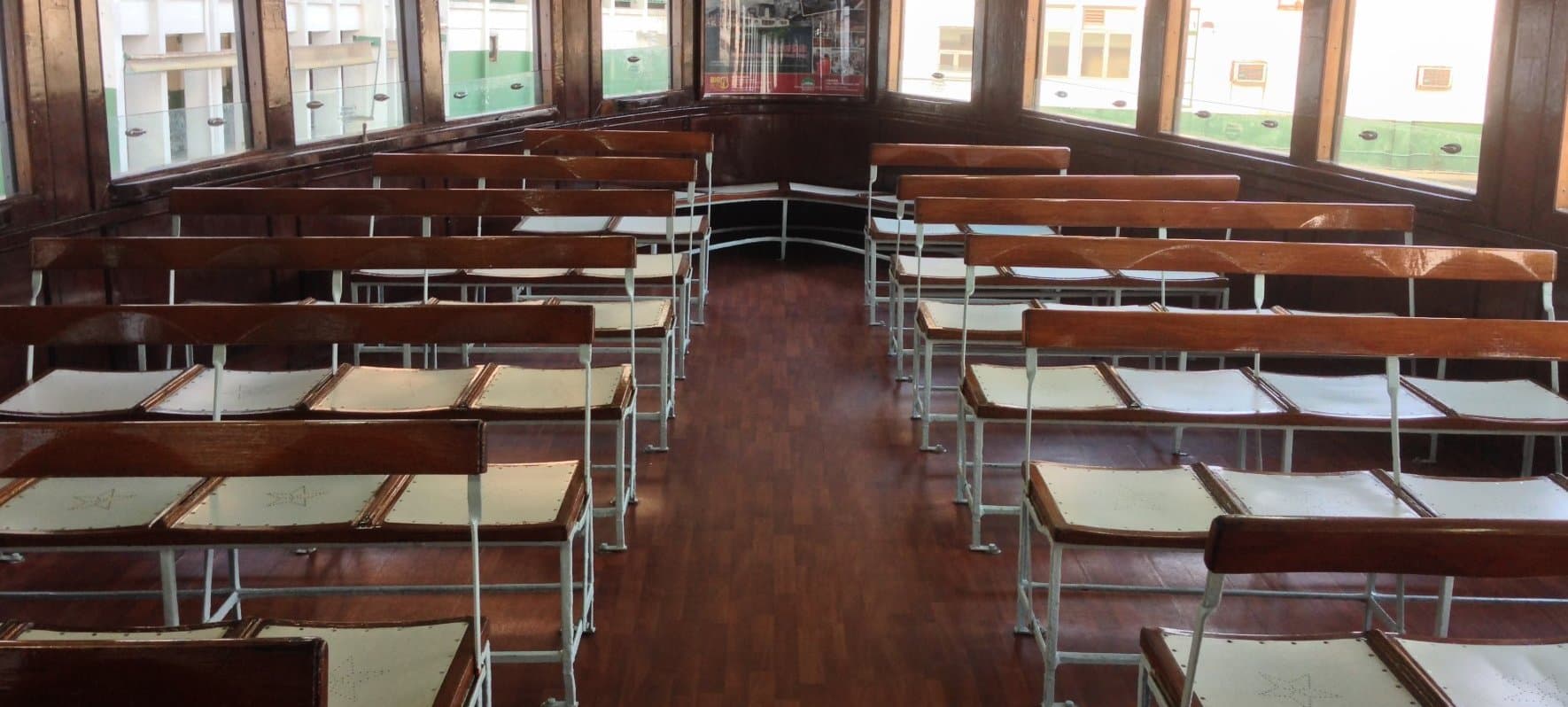
One of the most distinctive features of the Star Ferry's seating is its unique movable back supports on the bench seats. These can be adjusted to face the direction of travel, a small but significant detail that has become a quirky tradition for passengers. This ingenious design element allows passengers to always face forward, providing comfort and an unobstructed view as the ferry glides across the harbor.
The double-deck structure offers varied experiences. The upper deck, often air-conditioned in modern vessels, provides a slightly more comfortable and spacious environment. The lower deck, typically open-air, allows for a more immersive experience with the sounds and scents of the harbor. The simple, functional benches, often made of wood, contribute to the timeless charm and character of the ferry. The green and white livery, visible both inside and out, reinforces the ferry's iconic visual identity.
Stories, Fun Facts & Local Details
For many locals, the act of flipping the seat back on a Star Ferry is an almost unconscious ritual, a small interaction with a living piece of history. It's a subtle cue that distinguishes a seasoned local from a first-time visitor. The design's consistency over time evokes a sense of nostalgia; many residents remember these very same seats and interiors from their childhood.
The Star Ferry has been lauded globally, with the National Geographic Traveler once naming the ferry crossing as one of the '50 Places of a Lifetime,' underscoring its significant cultural and scenic value. Despite the advent of modern cross-harbour tunnels and MTR lines, the ferry continues to be a beloved and often preferred mode of transport, not just for its affordability but for the unique experience its interior and journey offer.
Visitor Perspective
Stepping onto a Star Ferry, visitors are immediately transported. The interior design, with its simple yet robust benches and open-deck areas, encourages a sense of communal travel. For photographers, securing a seat on the upper deck, particularly on the correct side for the best views (right side from Central, left from Tsim Sha Tsui), is highly recommended for capturing the stunning Victoria Harbour panorama.
The lower deck provides a different, more grounded perspective, and it is also the designated area for wheelchair users, accommodating up to four disabled persons per ferry. The lack of assigned seating promotes an easy, relaxed atmosphere, allowing travelers to fully soak in the experience without rigid formalities. It's an opportunity to observe local life unfold, enjoy the sea breeze, and appreciate the enduring character of Hong Kong through the lens of its most celebrated maritime institution.
Coordinates: 114.1686, 22.294
View on Google Maps💬 How Travelers Describe This Place
Based on community votes
Photogenic
685Interesting
446Beautiful
152Unique
33Must See
16
Traveler Stories
Discover memorable experiences shared by travelers who have visited this place.
No traveler stories yet.
Be the first traveler to share what made this place memorable.

Tour
By
Spot
Discover amazing places around the world. Your journey starts here.
Explore
© 2026 TourBySpot. All rights reserved.