Old Jewish Cemetery
Prague, Czech Republic
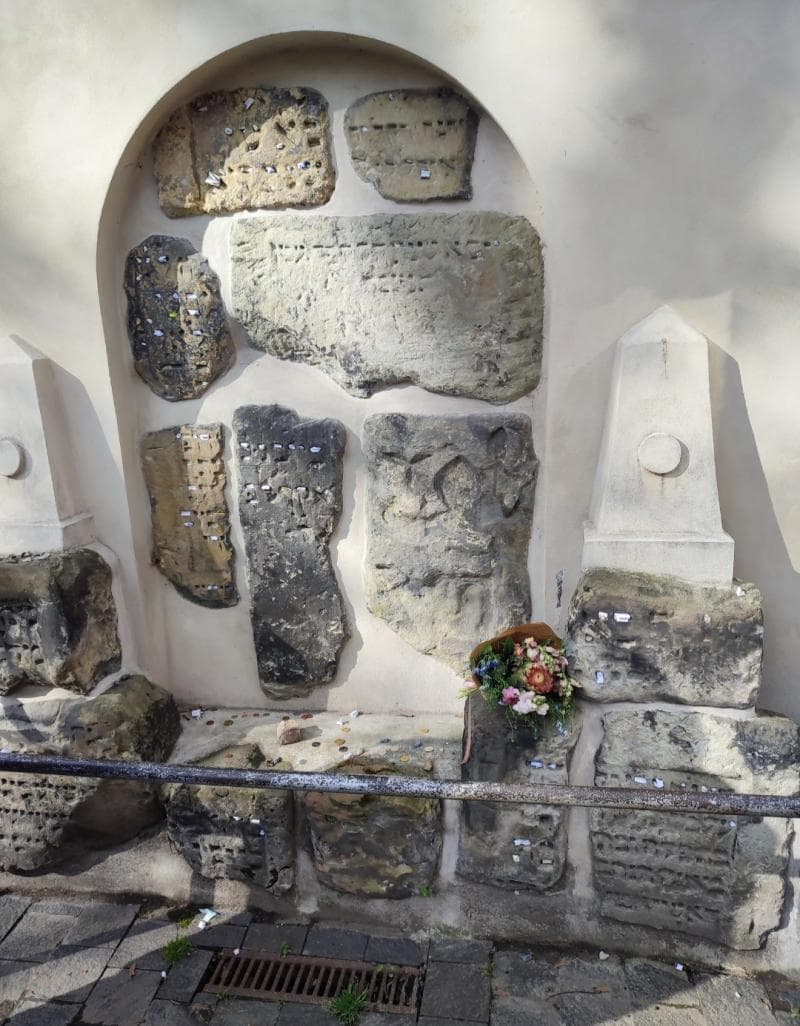
Explore the Old Jewish Cemetery in Prague, Czech Republic, a historic and unique burial ground with layered graves and centuries of Jewish heritage.
Overview
Nestled within Prague's historic Jewish Quarter, known as Josefov, lies the Old Jewish Cemetery, a place of profound history and poignant beauty. It stands as one of Europe's oldest surviving Jewish burial grounds, its dense landscape of some 12,000 visible gravestones telling a silent, layered story of centuries past. This unique site, part of the Jewish Museum in Prague, offers visitors a rare glimpse into the resilience and traditions of the city's Jewish community.
History & Cultural Background
The Old Jewish Cemetery served as the primary burial site for Prague's Jewish community from the first half of the 15th century until 1787. The oldest gravestone belongs to Rabbi and poet Avigdor Kara, dating back to 1439. The closure in 1787 was due to an edict from Emperor Joseph II, banning burials within city walls for hygienic reasons. Before this, the Jewish community faced severe restrictions on expanding their burial grounds outside the confines of the Jewish Ghetto.
Jewish religious law strictly forbids the disturbance of graves. This custom, combined with the limited available space, led to a remarkable and unusual solution: when the cemetery became full, layers of soil were added over existing graves, and new burials took place on top. This process was repeated multiple times, reportedly up to twelve layers deep in some sections. Each time a new layer was created, the old tombstones were carefully raised and placed on the new ground level, resulting in the incredibly dense, almost overflowing appearance seen today.
What Makes It Special
The Old Jewish Cemetery is truly a one-of-a-kind memorial, distinguished by its unique burial practice. The ground level has risen several meters above the surrounding streets due to the accumulation of layers of earth and countless burials. While approximately 12,000 tombstones are visible, it is estimated that around 100,000 people are buried within this relatively small area. The gravestones themselves are a historical record, ranging from simple Gothic sandstone slabs with deeply carved Hebrew inscriptions from the 15th and 16th centuries, to more ornate white and reddish-brown marble monuments with relief lettering and decorative elements from the 17th and 18th centuries.
These stones are not merely markers; they are intricately packed together, some leaning against each other, creating a solemn and captivating landscape. This dense arrangement visually conveys the profound history and the communal struggle for space within the former ghetto. National Geographic has even ranked it among the ten most interesting cemeteries in the world.
Stories, Fun Facts & Local Details
Many distinguished individuals of the Prague Jewish community found their final resting place here. Among the most visited is the tomb of Rabbi Judah Loew ben Bezalel (d. 1609), often referred to as Maharal. Rabbi Loew is central to the legendary tale of the Golem, a mythical creature made of clay brought to life to protect the Jewish community. Visitors often place small slips of paper with personal requests into the cracks of his tomb, believing his spirit can help fulfill their wishes.
Other notable figures include David Gans (d. 1613), a scholar, astronomer, and historian, and Mordecai Maisel (d. 1601), a wealthy businessman and benefactor who funded many improvements in the Jewish Quarter. The gravestones themselves are rich with symbolism. Crowns often signify wisdom, grapes and pomegranates represent abundance, and hands raised in blessing denote Kohanim (priestly descendants). A pitcher or jug indicates Levites, while tools can signify the deceased's occupation. Even mythical creatures like winged lions or griffins appear, often serving a protective function.
A poignant detail is that in Hebrew, a cemetery is often called 'beit chayim' – 'house of life' – reflecting a belief that death is a beginning, not an end.
Visitor Perspective
Visiting the Old Jewish Cemetery is a deeply moving experience. The sheer density of ancient gravestones creates a unique, almost mystical atmosphere, transporting you to another era. While it can feel crowded with fellow visitors, the site maintains a profound sense of peace and historical weight. The cemetery is typically visited as part of the Prague Jewish Town circuit, with admission often included in a combined ticket for the Jewish Museum sites. Guided tours are highly recommended to fully appreciate the intricate history, stories, and symbolism woven into this remarkable place. It is important to remember this is a sacred site, and respectful behavior, including appropriate attire and quiet contemplation, is encouraged. Partial wheelchair access is available from U Hřbitova Street.
Coordinates: 14.41722, 50.08972
View on Google Maps💬 How Travelers Describe This Place
Based on community votes
Photogenic
996Unique
494Interesting
193Beautiful
125Must See
82
Traveler Stories
Discover memorable experiences shared by travelers who have visited this place.
No traveler stories yet.
Be the first traveler to share what made this place memorable.

Tour
By
Spot
Discover amazing places around the world. Your journey starts here.
Explore
© 2026 TourBySpot. All rights reserved.