Old Elbe Tunnel Entrance
Hamburg, Germany
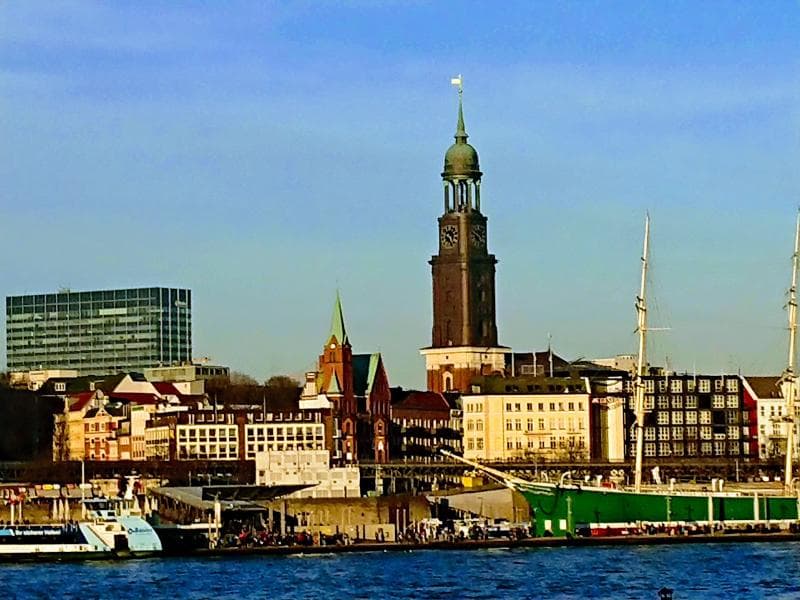
Explore Hamburg's Old Elbe Tunnel (Alter Elbtunnel) entrance at Landungsbrücken, Germany. A historic engineering marvel connecting the city beneath the Elbe River since 1911.
Overview
The Old Elbe Tunnel, officially known as the St. Pauli Elbtunnel, is an extraordinary piece of engineering and a treasured landmark in Hamburg, Germany. Located at the western end of the bustling Landungsbrücken piers, this historic tunnel offers a unique subterranean passage beneath the Elbe River, connecting the vibrant St. Pauli district with the port areas of Steinwerder on the southern bank. Opened in 1911, it was considered a technical marvel of its time, providing a vital connection for the thousands of dockworkers who needed to cross the river daily. Today, the 426.5-meter-long tunnel remains fully operational, predominantly serving pedestrians and cyclists, and stands as a testament to early 20th-century ingenuity and a popular attraction for visitors exploring Hamburg's maritime heritage.
History & Cultural Background
The story of the Old Elbe Tunnel begins in the late 19th and early 20th centuries, a period of immense growth for Hamburg's port, the 'Gateway to the World'. With shipyards and industries expanding rapidly on the southern bank of the Elbe, a reliable and efficient transport link for the increasing number of workers became crucial. Ferries, often hampered by ice or strong winds, were no longer sufficient. Plans for a suspension railway or viaduct were rejected, leading to the ambitious decision in 1901 to construct an underwater tunnel.
Construction commenced on July 22, 1907, under the direction of Philipp Holzmann, and the tunnel officially opened on September 7, 1911. This 426.5-meter-long (1,398 ft) passage, lying approximately 24 meters (80 ft) below the Elbe, was a groundbreaking engineering feat, being the first river tunnel on the European continent. It employed the innovative, yet dangerous, shield tunneling method under compressed air to prevent water intrusion. This high-pressure environment, while essential for construction, led to severe health issues, including decompression sickness (caisson disease), for many of the approximately 4,400 workers involved; sadly, three workers even lost their lives. Originally designed for mixed traffic, including pedestrians, cyclists, horse-drawn carriages, and later motor vehicles, the tunnel dramatically improved connectivity between the city center and the port's industrial areas.
During World War II, the tunnel suffered damage from bombings in 1943 but was subsequently rebuilt, maintaining its historical integrity. It served as an air-raid shelter during the war and became a symbol of Hamburg's reconstruction and modernization in the post-war years. Recognized for its historical and architectural significance, the Old Elbe Tunnel was designated a protected monument in 2003. On its 100th anniversary in 2011, it was honored as a 'Historic Landmark of Civil Engineering in Germany', solidifying its place in the nation's industrial heritage.
What Makes It Special
The Old Elbe Tunnel's uniqueness lies in its remarkable blend of historical engineering and enduring charm. Its most striking features are the four massive, hydraulically operated freight lifts and two passenger lifts at each entrance, which still transport people and vehicles down to the tunnel tubes. Descending in these over-a-century-old lifts offers a tangible connection to the past, evoking the daily commutes of thousands of workers. Once underground, visitors enter two tiled tubes, each approximately 6 meters in diameter, creating an otherworldly, yet cozy, atmosphere 24 meters below the river's surface.
The tunnel's Art Nouveau entrance buildings, particularly the one at Landungsbrücken with its distinctive domed roof, are architectural masterpieces adorned with elaborate tile decorations. Inside, the tunnel walls are lined with glazed terracotta reliefs, depicting a variety of motifs related to the Elbe River. These intricate tiles showcase marine life like fish and crabs, but also surprisingly include images of rats and discarded objects, reflecting a touch of the builders' humor and a realistic portrayal of the river environment. The Old Elbe Tunnel is more than just a passage; it is an open-air museum of engineering and design, offering a sensory journey back in time beneath one of Europe's busiest ports.
Stories, Fun Facts & Local Details
One fascinating aspect of the Old Elbe Tunnel is the human story behind its construction. The compressed-air method used meant that workers had to endure extreme conditions, often leading to severe health issues. The memory of the caisson workers, pioneers of their time, is an integral part of the tunnel's legacy.
Another endearing detail is the series of 80 large ceramic plates (out of an original 104) with 14 different harbor-relevant animal motifs that decorate the tunnel walls. While many show charming depictions of marine life, some reveal a quirky side with illustrations of rats and even discarded items, adding an unexpected element of humor and realism to the underground experience. These reliefs, spaced at regular intervals, invite visitors to embark on a delightful scavenger hunt as they walk or cycle through the tunnel.
The tunnel's role has evolved over the decades. After the construction of the New Elbe Tunnel and several bridges in the 1970s, its infrastructural importance for motor traffic diminished. However, this shift allowed it to blossom into a beloved cultural monument and tourist attraction. It has even hosted unique events, such as a successful model train world record and film shoots, and can be rented for special occasions, further cementing its place in Hamburg's contemporary cultural scene. The southern exit of the tunnel provides a fantastic vantage point, offering panoramic views of Hamburg's iconic skyline, including the Elbphilharmonie and the St. Michaelis Church ('Michel'), making the crossing a rewarding journey in itself.
Visitor Perspective
For any curious traveler, visiting the Old Elbe Tunnel entrance at Landungsbrücken offers a captivating start to an exploration of Hamburg's industrial past and present. The Landungsbrücken area itself is a vibrant hub, brimming with activity, offering opportunities for harbor tours, ferry rides, and indulging in local delicacies like fish sandwiches. The tunnel's entrance is seamlessly integrated into this bustling waterfront, identifiable by its impressive domed structure.
Accessing the tunnel is an experience in itself. Pedestrians and cyclists can use the grand, historic lifts to descend 24 meters below the Elbe, a journey that feels like stepping back in time. Once inside the cool, tiled tubes, the subdued lighting and the quiet hum of the city above create a distinctive atmosphere. Walking or cycling through the tunnel is free of charge and offers a unique, tranquil escape from the urban hustle.
The round-the-clock accessibility for pedestrians and cyclists makes it an ideal spot for a leisurely stroll at any time. Whether you're admiring the intricate tile work depicting river creatures, pondering the immense engineering challenge it represented, or simply enjoying the peaceful journey under the water, the Old Elbe Tunnel provides a profound sense of connection to Hamburg's rich maritime history. Emerging on the Steinwerder side, visitors are rewarded with breathtaking views of the city skyline, completing a memorable underground adventure.
Coordinates: 9.9666, 53.54589
View on Google Maps💬 How Travelers Describe This Place
Based on community votes
Photogenic
953Unique
695Beautiful
396Must See
286Interesting
22
Traveler Stories
Discover memorable experiences shared by travelers who have visited this place.
No traveler stories yet.
Be the first traveler to share what made this place memorable.

Tour
By
Spot
Discover amazing places around the world. Your journey starts here.
Explore
© 2026 TourBySpot. All rights reserved.