Oceanus Statue
Rome, Italy
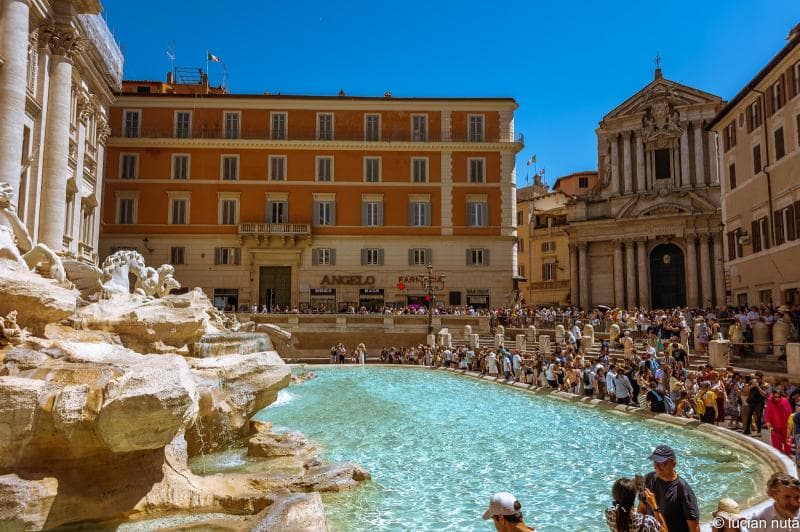
Discover the majestic Oceanus Statue, the central figure of the iconic Trevi Fountain in Rome, Italy. Explore its history, symbolism, and captivating stories.
Overview
The Oceanus Statue stands as the magnificent centerpiece of the Trevi Fountain, an iconic Baroque masterpiece nestled in the heart of Rome, Italy. This colossal sculpture dominates the fountain's central niche, portraying Oceanus, the ancient Titan god of the sea, in a powerful and majestic pose. He is depicted riding a grand shell-shaped chariot, triumphantly pulled by two sea horses and guided by a pair of Tritons. The entire composition of the Trevi Fountain, with Oceanus at its focal point, is a breathtaking display of artistry, drama, and engineering, celebrating the life-giving force of water in an unparalleled fashion. Designed primarily by Nicola Salvi and completed by Pietro Bracci, who sculpted Oceanus, and Giuseppe Pannini, the fountain serves as the spectacular terminal point of the ancient Aqua Virgo aqueduct, symbolizing Rome's enduring connection to its historical water sources.
History & Cultural Background
The story of the Trevi Fountain, and thus the Oceanus Statue, is deeply intertwined with Rome's ancient water supply systems. Its origins can be traced back to 19 BC with the Aqua Virgo aqueduct, one of the oldest and still active aqueducts that historically supplied fresh water to the city. While initial sketches for a grander fountain were proposed by Gian Lorenzo Bernini in the 17th century under Pope Urban VIII, it was Pope Clement XII who launched a design competition in 1730 for a new fountain. Nicola Salvi, a Roman architect, ultimately won the commission, even after initially losing to a Florentine competitor, Alessandro Galilei, due to public sentiment favoring a local artist.
Construction began in 1732, but Salvi tragically passed away in 1751, leaving his grand vision incomplete. The task of bringing the fountain to fruition fell to Giuseppe Pannini, who made some modifications to Salvi's original plans. The pivotal central figure of Oceanus, along with the sea horses and Tritons, was masterfully sculpted by Pietro Bracci, an Italian Baroque artist. The Trevi Fountain was finally inaugurated in 1762 by Pope Clement XIII, crowning decades of artistic endeavor. Built against the façade of Palazzo Poli, the fountain primarily utilizes Travertine stone, sourced near Tivoli, with the sculptures carved from white marble, creating a stunning visual contrast.
What Makes It Special
What truly distinguishes the Oceanus Statue and the Trevi Fountain is its rich symbolism and dramatic narrative. The central figure is not the more commonly known Roman god Neptune, but rather Oceanus, a Greek Titan, symbolizing the source of all fresh water and the immense power of the earth-encircling sea. This deliberate choice provides a deeper, more primeval connection to the water itself. Oceanus's chariot is symbolically drawn by two sea horses, each representing a different mood of the sea: one is docile and calm, while the other appears wild and untamed. These are expertly guided by two Tritons, mythological merman figures, further emphasizing the sea's contrasting forces.
Flanking Oceanus within the fountain's majestic archways are allegorical statues. To his left stands the goddess Abundance, holding a horn of plenty, signifying prosperity and the nourishing bounty of water. To his right is the goddess Health (or Salubritas), depicted with a cup from which a snake drinks, symbolizing healing and purification. Above these figures, two intricate bas-reliefs depict pivotal moments in the Aqua Virgo's history: one shows Agrippa approving the aqueduct's construction, and the other illustrates the legendary virgin maiden guiding Roman soldiers to the water source. The entire ensemble, with its theatrical integration into the Palazzo Poli, creates an immersive experience where sculpture, architecture, and water merge into a dynamic, living artwork.
Stories, Fun Facts & Local Details
Despite its clear identity, the central figure of Oceanus is frequently mistaken for Neptune, the Roman god of the sea, a common misconception that perhaps stems from the prevalence of Neptune fountains elsewhere in Italy. One of the most cherished and widely practiced traditions at the Trevi Fountain involves tossing coins into its waters. The lore suggests that throwing a single coin over your left shoulder with your right hand ensures a safe return to Rome. A second coin promises new romance, and a third guarantees a Roman wedding. This charming ritual is not just for good fortune; the approximately 3,000 Euros collected daily from the fountain are donated to Caritas, a Catholic charity that uses the funds to provide food and services for Rome's needy.
Beyond the well-known coin toss, the fountain also holds a romantic secret: the 'Fountain of Lovers'. To the right of the main fountain, a small rectangular basin with two spouts once served as a place where young couples would drink to ensure eternal love and fidelity, especially before a long separation. The Trevi Fountain's dramatic beauty has also graced the silver screen, becoming an iconic backdrop in classic films like Federico Fellini's 'La Dolce Vita' and 'Roman Holiday', cementing its place in global popular culture. It's also interesting to note that the fountain's primary construction material, Travertine stone, is the very same material used to build the ancient Colosseum.
Visitor Perspective
Visiting the Trevi Fountain is an unforgettable experience, but it's important to prepare for the crowds. The sheer scale and intricate detail of the Oceanus Statue and the entire fountain are truly awe-inspiring, creating a sense of wonder as the gushing water animates the scene. Many visitors find the fountain particularly magical during the evening hours when it is beautifully illuminated, offering a different, often more romantic, atmosphere.
For those seeking a more serene visit, arriving early in the morning or late at night is highly recommended to avoid the peak daytime crowds that can fill the small piazza. Starting February 1, 2026, a new €2 access fee will be introduced for non-residents who wish to enter the basin area for a close-up view and to participate in the coin-tossing tradition. However, admiring and photographing the fountain from the main piazza will remain free of charge. This measure aims to manage overtourism and support the monument's preservation, ensuring that future generations can continue to marvel at Oceanus and the timeless beauty of the Trevi Fountain.
Coordinates: 12.4766, 41.9005
View on Google Maps💬 How Travelers Describe This Place
Based on community votes
Unique
996Interesting
726Photogenic
717Must See
494Beautiful
193
Traveler Stories
Discover memorable experiences shared by travelers who have visited this place.
No traveler stories yet.
Be the first traveler to share what made this place memorable.

Tour
By
Spot
Discover amazing places around the world. Your journey starts here.
Explore
© 2026 TourBySpot. All rights reserved.