Observation Tower
Lucerne, Switzerland
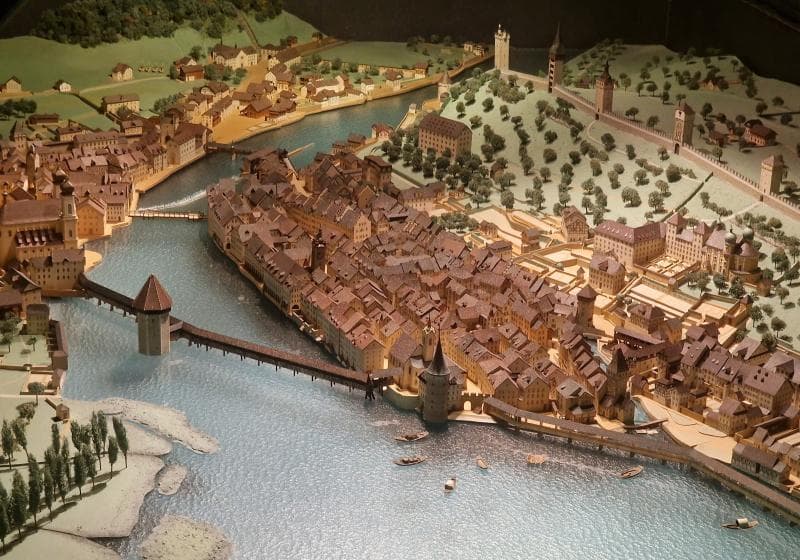
Discover Lucerne's historic Observation Tower in the Glacier Garden, offering panoramic views of the city and Swiss Alps.
Overview
Perched within Lucerne, Switzerland's fascinating Glacier Garden, the Observation Tower, known locally as Aussichtsturm, offers a remarkable vantage point over the city and its dramatic mountainous backdrop. This wooden structure stands as a testament to both natural beauty and historical ingenuity. It invites visitors to ascend its steps for panoramic views that stretch across Lucerne, encompassing its charming urban landscape and the majestic peaks of Mount Pilatus and the Central Swiss Alps. The tower is an integral part of the Glacier Garden experience, blending seamlessly with the geological wonders and botanical diversity that characterize this unique attraction.
The Glacier Garden itself is a captivating destination, first opened to the public in 1873 after the discovery of ancient glacial potholes in 1872. It provides a vivid journey through millions of years of Earth's history, showcasing evidence of both a subtropical past and the powerful sculpting forces of the Ice Age. The Observation Tower, situated within the Alpine Park section of the garden, serves not only as a viewpoint but also as a landmark connecting these diverse historical and natural elements.
History & Cultural Background
The Observation Tower holds a significant place in Swiss heritage, being one of the oldest wooden observation towers in the country. Constructed in 1873, the same year the Glacier Garden officially opened its doors, it was a pioneering attraction designed to enhance the visitor experience. Its construction followed closely on the heels of the accidental discovery of the glacial potholes, which spurred the rapid development of the area into a tourist site by Josef Wilhelm Amrein-Troller.
This 11-meter-high wooden tower is now a protected monument, reflecting its historical value and enduring appeal. It was conceived during a period when Lucerne was emerging as a prominent tourist destination, and the Glacier Garden quickly became one of its premier attractions. The tower offered a novel way for early visitors to appreciate the landscape that had been profoundly shaped by geological forces over millennia, from ancient seas to vast glaciers.
What Makes It Special
The Observation Tower's enduring appeal lies in its combination of historical significance and breathtaking natural vistas. It is not merely a platform but a piece of living history, having stood for over 150 years as an icon within the Glacier Garden. Its wooden construction, characteristic of 19th-century engineering, adds a rustic charm that contrasts with the timeless geological formations below.
What truly sets it apart are the unparalleled 360-degree views it affords. From its summit, one can trace the winding Reuss River through Lucerne's Old Town, gaze upon the iconic Chapel Bridge, and admire the shimmering Lake Lucerne, all framed by the dramatic peaks of the Alps. The ascent to the tower is part of the experience, leading visitors through the serene Alpine Park, where 24 'time stones' mark the evolutionary journey of the landscape, providing an educational prelude to the panoramic reward.
Stories, Fun Facts & Local Details
Imagine the excitement of early tourists climbing this very tower shortly after its inauguration in 1873, eager to witness the same stunning scenery that captivates today's visitors. The Glacier Garden itself, where the tower stands, owes its existence to a stroke of luck: workers digging a wine cellar unearthed the glacial potholes, revealing secrets of an ancient ice age. This unexpected discovery transformed a construction project into a cultural and natural heritage site.
Beyond the glacial formations, the area once lay beneath a subtropical sea some 20 million years ago, evidenced by fossilized mussels and palm leaves found in the rock. The tower, therefore, provides a metaphorical bridge, linking these unfathomable timescales – from prehistoric oceans to towering glaciers, and finally, to the modern city views visible from its platform. It's a place where geological narratives unfold before your eyes, offering a tangible connection to Earth's dynamic past.
Visitor Perspective
Approaching the Observation Tower begins with a gentle stroll through the tranquil Alpine Park of the Glacier Garden. This path is dotted with informative displays and diverse flora, preparing you for the ascent. As you climb the wooden steps, each level reveals a progressively wider and more inspiring panorama. The effort is minimal, but the reward is immense: a fresh perspective on Lucerne, a city renowned for its beauty.
From the tower's platform, the intricate layout of Lucerne's streets and the serene expanse of the lake unfold, backdropped by the powerful presence of the Alps. It’s a moment for reflection, to absorb the blend of urban life and raw nature that defines this Swiss canton. The Observation Tower offers a peaceful escape and a unique opportunity to connect with the deep history embedded in the landscape, making it a memorable highlight of any visit to the Glacier Garden.
Coordinates: 8.31069, 47.05886
View on Google Maps💬 How Travelers Describe This Place
Based on community votes
Photogenic
950Beautiful
929Interesting
858Must See
730Unique
275
Traveler Stories
Discover memorable experiences shared by travelers who have visited this place.
No traveler stories yet.
Be the first traveler to share what made this place memorable.

Tour
By
Spot
Discover amazing places around the world. Your journey starts here.
Explore
© 2026 TourBySpot. All rights reserved.