Observation Deck
Vientiane, Laos
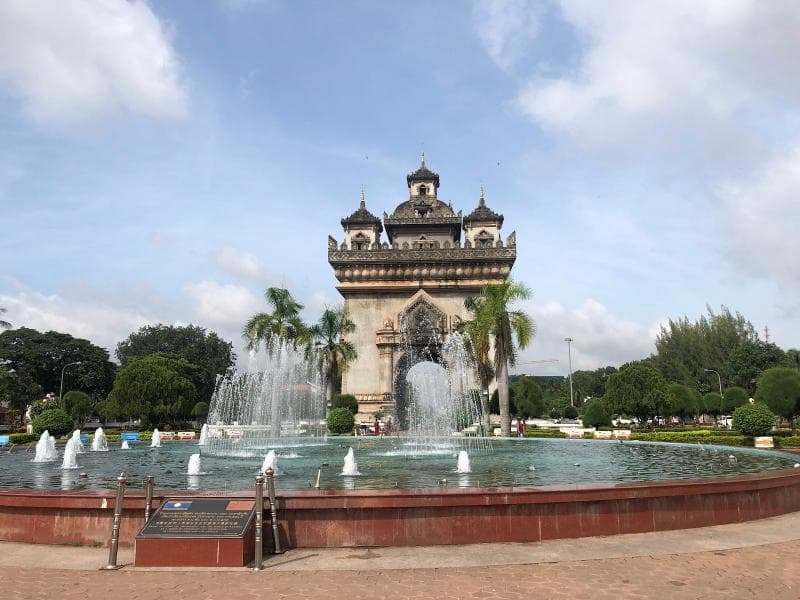
Discover the Patuxai Observation Deck in Vientiane, Laos, for panoramic views and a deep dive into the nation's history and unique culture.
Overview
At the heart of Vientiane, Laos, stands Patuxai, often recognized as the 'Arc de Triomphe of Vientiane.' This monumental arch is far more than just an architectural marvel; it is a profound symbol of Laotian independence and national pride. While its design may evoke memories of its Parisian counterpart, Patuxai is distinctly Lao, adorned with intricate motifs and telling stories of the nation's rich cultural heritage. Within this towering structure lies the Observation Deck, offering curious travelers a unique vantage point to absorb the bustling capital. The journey to the top is an integral part of the experience, revealing layers of history and local life before culminating in breathtaking panoramic views of Vientiane's urban tapestry and beyond.
History & Cultural Background
Patuxai, meaning 'Victory Gate' or 'Gate of Triumph', was constructed between 1957 and 1968. It serves as a poignant war monument dedicated to the Laotian soldiers who bravely fought in World War II and the war for independence from France, which concluded in 1949. Originally known as Anousavary, or 'Monument', its renaming to Patuxai followed the Pathet Lao's takeover in 1975, solidifying its status as a symbol of victory. A fascinating anecdote surrounding its construction speaks to the ingenuity and resourcefulness of the Lao people: the monument was built using concrete donated by the United States, which was initially intended for a new airport runway. This led to its playful, yet telling, nickname among locals as 'the vertical runway.' The monument's architecture beautifully marries French triumphal-arch grandeur with traditional Laotian design elements. Its exterior and interior are rich with Buddhist and Hindu symbols, including mythological creatures like the Naga King, Kinnari (half-woman, half-bird figures), and intricate lotus motifs, making it a unique fusion of cultural influences.
What Makes It Special
What truly distinguishes Patuxai, especially its Observation Deck, is the seamless blend of historical homage and distinctive Laotian artistry. Unlike its European inspiration, Patuxai boasts four gates rather than two and is crowned with five ornamental towers, each designed in the traditional Laotian style and often topped with golden finials. These five towers are symbolic, representing the five Buddhist principles of thoughtful amiability, flexibility, honesty, honor, and prosperity, which are core values in Laotian culture. As visitors ascend, they encounter decorative ceilings adorned with colorful paintings of gods, goddesses, and elephants, alongside bas-reliefs depicting epic stories and local heroes. The deliberate incorporation of these elements ensures that while the structure's form is familiar, its soul is unequivocally Lao. The Observation Deck itself offers more than just views; it provides a heightened appreciation for the monument's detailed craftsmanship as you stand amidst its spires and look out upon the city it guards.
Stories, Fun Facts & Local Details
The tale of Patuxai's construction using 'airport runway' concrete is perhaps its most famous and amusing fun fact. It highlights a period of political complexity and local determination, transforming what was meant for utilitarian purposes into an enduring symbol of national identity. As you navigate the interior of the monument on your way to the top, you'll discover a series of levels, some of which house small shops and stalls. These offer an opportunity to browse for local handicrafts, souvenirs, and refreshments, adding an unexpected market-like dimension to the climb. The monument is set within Patuxai Park, a beautifully landscaped area featuring fountains, gardens, and walking paths. This park is a beloved spot for locals, who often gather here for evening strolls, exercise, and social activities, especially when the monument and its surrounding fountains are illuminated after sunset, creating a magical atmosphere. It's a place where history and daily life intertwine, inviting visitors to observe and participate in the vibrant rhythm of Vientiane.
Visitor Perspective
The journey to Patuxai's Observation Deck is an experience in itself, typically involving a climb up spiral staircases. While some older references might mention elevators, the current and most common experience is a walk of approximately 200 steps to reach the upper levels. This ascent, though requiring some effort, is richly rewarded. Each level reveals more of the monument's internal artistry and offers increasingly expansive views through various openings. Upon reaching the rooftop platform, a spectacular 360-degree panorama of Vientiane unfolds. From this vantage point, you can clearly see the city's tree-lined boulevards, prominent landmarks such as Pha That Luang, the Presidential Palace, and the meandering Mekong River, with the distant hills of Thailand visible on clear days. Many visitors recommend timing your visit for late afternoon to enjoy cooler temperatures and witness the city bathed in the warm glow of sunset, which also provides excellent photographic opportunities. It's a chance to see Vientiane from a truly unique perspective, connecting with its history and appreciating its contemporary landscape in one sweeping view.
Coordinates: 102.61861, 17.97063
View on Google Maps💬 How Travelers Describe This Place
Based on community votes
Photogenic
965Must See
894Beautiful
862Unique
443Interesting
184
Traveler Stories
Discover memorable experiences shared by travelers who have visited this place.
No traveler stories yet.
Be the first traveler to share what made this place memorable.

Tour
By
Spot
Discover amazing places around the world. Your journey starts here.
Explore
© 2026 TourBySpot. All rights reserved.