Observation Deck
Warsaw, Poland
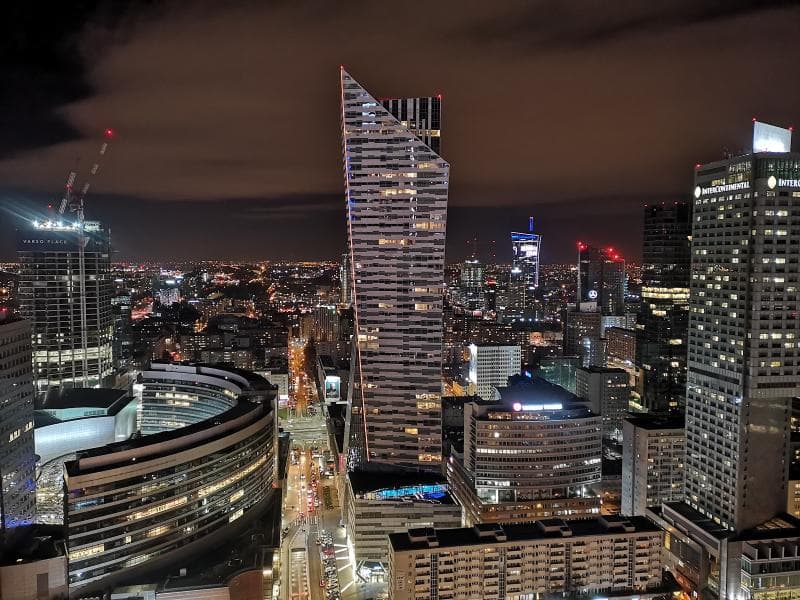
Discover the Observation Deck of the Palace of Culture and Science in Warsaw, Poland. Enjoy 360-degree panoramic views from 114m high. Explore its history and unique perspective of the city.
Overview
Perched high above the bustling streets of Warsaw, the Observation Deck of the Palace of Culture and Science offers an unparalleled 360-degree panoramic view of the Polish capital. Located on the 30th floor of this iconic skyscraper, the viewing terrace sits at a height of 114 metres (374 feet) above ground level, providing a spectacular vantage point to admire the city's unique blend of historic charm and modern dynamism.
Visitors are whisked to the top in a swift elevator ride, reaching the deck in approximately 19 seconds. The terrace is equipped with information panels, guiding your gaze to significant landmarks and districts across Warsaw. It's a popular attraction, frequently cited as one of the most visited in the city, open daily, typically from 10:00 AM to 8:00 PM, though it's always wise to check the official website for any holiday hour adjustments.
History & Cultural Background
The Palace of Culture and Science, known locally as PKiN (Pałac Kultury i Nauki), holds a complex and deeply significant place in Warsaw's history. Its construction, initiated in 1952 and completed in 1955, was a 'gift' from Joseph Stalin to the Polish nation during the post-World War II reconstruction period.
Designed by Soviet architect Lev Rudnev, the building's architecture draws inspiration from Moscow's 'Seven Sisters' skyscrapers, incorporating elements of Polish Renaissance style that Rudnev observed during tours of cities like Kraków and Zamość. Initially named the Joseph Stalin Palace of Culture and Science, the dedication to Stalin was later removed during the de-Stalinization era. For many Poles, the Palace has long been a controversial symbol of Soviet domination, yet it has also become an enduring and recognisable landmark of Warsaw. The sheer scale of the project was immense, with between 3,500 and 5,000 Soviet workers alongside 4,000 Polish workers contributing to its construction. Since 2007, the Palace has been officially recognised as an object of cultural heritage.
What Makes It Special
What truly sets the Observation Deck apart is its ability to offer a unique perspective on Warsaw's evolving urban landscape. From this lofty height, you can trace the Vistula River, pinpoint the meticulously rebuilt Old Town, and witness the growth of modern skyscrapers that now punctuate the skyline, some even surpassing the Palace's height. The panoramic views serve as a visual narrative of Warsaw's resilience and transformation. Information panels provide context, identifying key historical sites and contemporary developments, making the experience both breathtaking and educational.
Stories, Fun Facts & Local Details
- The 'Eighth Sister': The Palace is often informally referred to as 'the Eighth Sister' due to its architectural resemblance to the seven Stalinist skyscrapers in Moscow.
- 'Pekin' Nickname: Locals sometimes affectionately, or sardonically, call the building 'Pekin', which is the Polish word for Beijing, a playful nod to its abbreviation, PKiN.
- The Best View: An old Warsaw saying humorously states that 'the best view is from the Palace of Culture, because it is the only place you cannot see it'. This reflects the historical sentiment some Poles held towards the imposing structure.
- A Decisive Height: Reportedly, the final height of the building was determined in a rather unconventional way. Polish architects, aboard a hot air balloon, communicated via radio to decide the optimal height, calling 'that's enough' as the balloon ascended.
- Clock Tower: In 2000, four massive 6.3-meter clock faces were added to the top of the Palace, briefly making it the world's tallest clock tower.
- Early Safety Measures: Sadly, in 1956, after several suicide incidents, steel bars were installed on the observation deck for visitor safety.
Visitor Perspective
Accessing the Observation Deck is straightforward. The eastern entrance of the Palace, situated between the Lalka Theater and Teatr Dramatyczny, is the designated entry point for visitors heading to the viewing terrace. Tickets can be purchased both online and at the ticket office, with online tickets often being valid for an extended period, sometimes up to 12 months. There is no specific timeslot tied to the tickets, offering flexibility for your visit.
Once on the 30th floor, you're free to spend as much time as you desire, though many visitors find 20 minutes sufficient to soak in the views. The deck features a café, Gwiazdy Bliżej Gwiazd, perfect for enjoying a coffee or ice cream while admiring the cityscape. The Gothic Hall, an exhibition space, is also located on the same floor. For an even more magical experience, visiting during dusk or evening is highly recommended, as the city lights create a stunning panorama. The Observation Deck is fully accessible, welcoming visitors with strollers and wheelchairs.
Coordinates: 21.0058, 52.2318
View on Google Maps💬 How Travelers Describe This Place
Based on community votes
Interesting
551Unique
547Beautiful
336Photogenic
298Must See
219
Traveler Stories
Discover memorable experiences shared by travelers who have visited this place.
No traveler stories yet.
Be the first traveler to share what made this place memorable.

Tour
By
Spot
Discover amazing places around the world. Your journey starts here.
Explore
© 2026 TourBySpot. All rights reserved.