Numismatics Collection
Dushanbe, Tajikistan
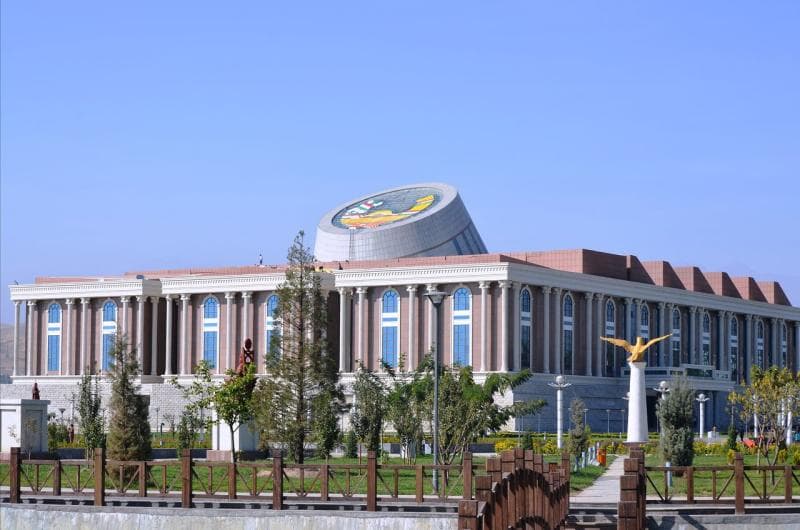
Explore the National Museum of Tajikistan's Numismatics Collection in Dushanbe, Tajikistan, showcasing over 21,000 coins from ancient empires.
Overview
Stepping into the National Museum of Tajikistan in Dushanbe offers a profound journey through time, and at the heart of this historical exploration lies its remarkable Numismatics Collection. This dedicated sub-spot provides a captivating window into the economic, political, and cultural narratives of Central Asia through the ages, as told by coins. The collection is not merely an assortment of ancient currency; it is a meticulously curated archive that illuminates the complex tapestry of empires, trade routes, and daily life that once thrived across this significant region. With a vast array of coinage, the Numismatics Collection stands as a testament to the enduring legacy of human interaction and innovation, inviting visitors to uncover the stories etched onto these metallic pieces.
History & Cultural Background
The foundation of the Numismatics Collection dates back to the very establishment of the museum itself. From its inception in 1934, the National Museum of Tajikistan recognized the immense historical value of coins, prioritizing their collection, preservation, and study. The initial contributions to the numismatic fund were modest, with 1,375 ancient, medieval, and modern coins gathered by 1998. However, following Tajikistan's independence, this commitment intensified significantly. The collection experienced substantial growth, reflecting a strong cultural policy aimed at preserving national heritage and developing specialized expertise. Today, the number of coins housed in the National Museum has swelled to over 21,000, underscoring the nation's dedication to understanding its past through these invaluable artifacts. This exponential growth highlights the ongoing archaeological efforts and the cultural importance placed on coinage as a primary source for historical research.
What Makes It Special
What truly sets the National Museum of Tajikistan's Numismatics Collection apart is its unparalleled diversity and the unique origin of its holdings. The collection boasts an impressive array of rare coins that span millennia, offering a tangible connection to powerful ancient empires and influential regional dynasties. Visitors can marvel at copper coins from the Achaemenid Empire, the iconic tetradrachms of Alexander the Great, and coinage from the Greek, Bokhtar, and Kushan kingdoms. The collection further extends to the Sasanian, Abbasid, Somoni, and Timurid periods, many of which are precious gold coins. A particularly unique aspect is that virtually all these coins were unearthed within the territory of modern Tajikistan. This local provenance is crucial, as it provides direct and invaluable insights into the specific currency systems and coinage practices that shaped the region's economy and political landscape throughout different historical eras. Each coin serves as a miniature historical document, reflecting artistic styles, ruling powers, and economic trends.
Stories, Fun Facts & Local Details
Beyond their material value, the coins in this collection whisper tales of ancient civilizations, vibrant trade networks along the Silk Road, and the rise and fall of empires. Imagine a tetradrachm of Alexander the Great, minted thousands of years ago, perhaps used in a bustling marketplace or held by a soldier in his vast army. Or consider the intricate Kufic inscriptions on silver and copper Samanid coins from the 9th century, offering a glimpse into the sophisticated Islamic culture that flourished in the region. A gold coin of the Kushan king Vasudeva, accidentally discovered in 1956, offers a serendipitous connection to a powerful Central Asian empire. The sheer volume of the collection, growing from a few hundred to over 21,000, tells its own story of persistent archaeological discovery and dedicated preservation. These small metallic discs represent the pulse of ancient economies, the proclamations of powerful rulers, and the artistic expressions of countless generations, making them miniature canvases of history.
Visitor Perspective
For the curious traveler, the Numismatics Collection at the National Museum of Tajikistan offers an enriching and educational experience. It provides an exceptional opportunity to visualize the economic forces and cultural exchanges that shaped this part of the world. As you explore the exhibits, you'll be guided through chronological displays that trace the evolution of coinage from ancient times to more recent history. The carefully presented coins, often accompanied by informative descriptions, encourage a deeper understanding of Tajikistan's rich past. Whether you are a seasoned numismatist or simply a traveler with a keen interest in history, observing these tangible relics allows for a profound connection to the people and powers that once dominated these lands. It's an opportunity to appreciate the artistry, craftsmanship, and historical weight encapsulated within each unique piece, providing a quiet yet powerful narrative of a nation's journey.
Coordinates: 68.77947802489051, 38.582194838650075
View on Google Maps💬 How Travelers Describe This Place
Based on community votes
Beautiful
873Interesting
477Unique
422Photogenic
157Must See
53
Traveler Stories
Discover memorable experiences shared by travelers who have visited this place.
No traveler stories yet.
Be the first traveler to share what made this place memorable.

Tour
By
Spot
Discover amazing places around the world. Your journey starts here.
Explore
© 2026 TourBySpot. All rights reserved.