Nuclear Shelter Corridors
Tirana, Albania
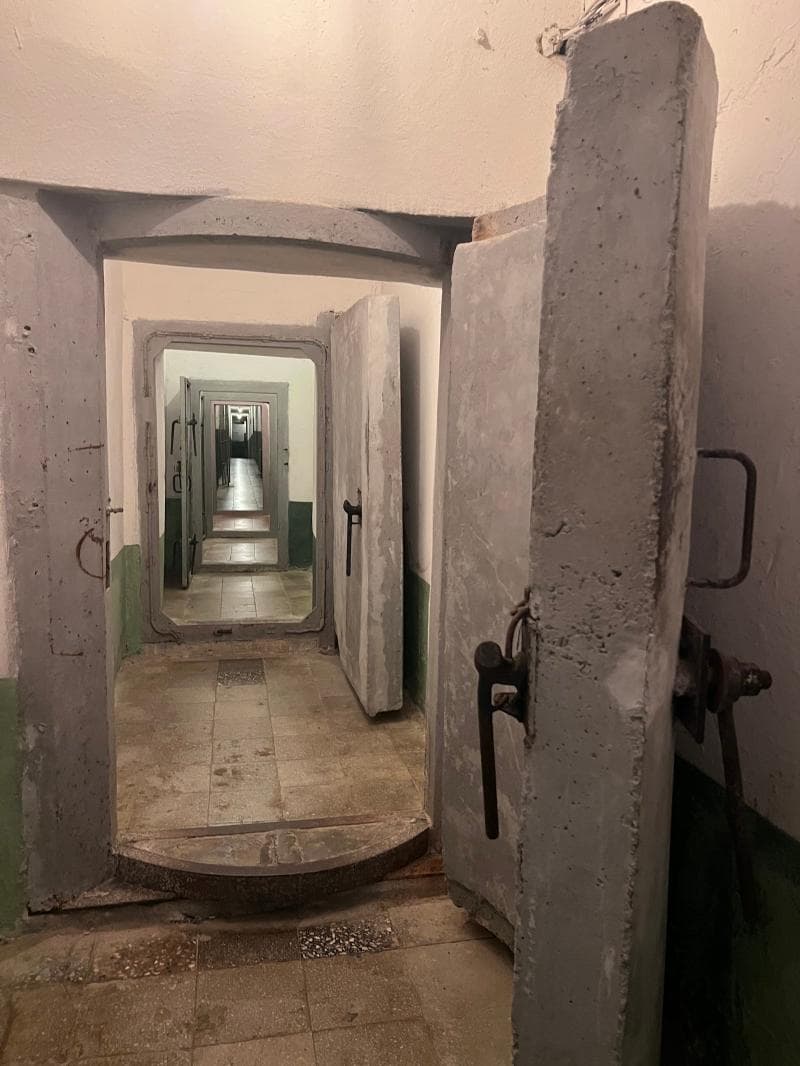
Explore the eerie Nuclear Shelter Corridors of Bunk'Art 1 in Tirana, Albania, a former top-secret communist bunker now a gripping museum.
Overview
Deep within the hills on the outskirts of Tirana, Albania, lies Bunk'Art 1, a colossal anti-nuclear bunker that once served as a top-secret sanctuary for the communist regime's political and military elite. Today, this labyrinthine structure has been transformed into a powerful museum and contemporary art space, offering visitors an unparalleled journey into Albania's turbulent 20th-century history. The sub-spot known as the 'Nuclear Shelter Corridors' forms the very essence of this experience, guiding curious travelers through the chilling reality of a nation preparing for an atomic war.
Opened to the public in 2014, Bunk'Art 1 is far more than just a historical exhibit; it is an immersive environment where the tangible remnants of a paranoid era speak volumes. Visitors navigate through an intricate network of long, concrete passageways that connect over one hundred rooms spread across five subterranean levels. These corridors, originally designed for functionality and protection from shockwaves and radiation, now serve as silent witnesses to Albania's isolation and the Cold War's pervasive fear.
History & Cultural Background
The construction of Bunk'Art 1 began in 1972 and was completed in 1978, during the reign of Albania's ultra-Stalinist dictator, Enver Hoxha. It was conceived as a secure hideout for Hoxha and his inner circle, including Prime Minister Mehmet Shehu, in the event of a nuclear attack. The project was a massive undertaking, kept under strict secrecy, and involved advanced technological features to ensure maximum protection and comfort for the country's leadership.
This colossal bunker was part of a broader, obsessive national 'bunkerization' program initiated by Hoxha, which saw the construction of an estimated 173,000 concrete bunkers across Albania. This extensive defensive network reflected Hoxha's profound paranoia about foreign invasion and internal uprisings, pushing the small nation to the brink of economic collapse. The culture of fear and isolation that permeated Albanian society during this period is vividly brought to life within these very walls.
What Makes It Special
What truly sets Bunk'Art 1, and especially its nuclear shelter corridors, apart is the sheer scale and authenticity of the experience. Stepping into the bunker is like entering a time capsule, where the air itself seems to carry the weight of history. The dimly lit, echoing corridors, with their heavy blast doors and decontamination areas, immediately convey the gravity of their original purpose. These passageways are not just conduits between rooms; they are integral parts of the narrative, providing a physical and emotional journey into a past dominated by Cold War anxieties.
The transformation of this once top-secret military installation into a cultural space is itself remarkable. It combines historical exhibitions detailing Albania's military and political history from World War II to the fall of communism with contemporary art installations, creating a powerful dialogue between past and present. The juxtaposition of art within such a grim, utilitarian setting offers a unique perspective on resilience and remembrance.
Stories, Fun Facts & Local Details
Among the most intriguing sections accessible via the corridors are Enver Hoxha's personal suite and that of Mehmet Shehu. Hoxha's lavish apartment, complete with an office, bedroom, and bathroom, stands in stark contrast to the austere military quarters, offering a glimpse into the dictator's guarded existence. Ironically, despite the immense resources poured into its creation, Hoxha reportedly never spent a night in his designated bedroom.
Another fascinating aspect is the bunker's sophisticated, Chinese-built air filtration system, designed to purify poisoned air after an attack. Walking through the network of communications rooms, one can imagine the intense, whispered conversations and strategic planning that would have taken place deep underground. The bunker also features a large assembly hall, capable of seating 200 people, intended for high-level government meetings in times of crisis.
Visitor Perspective
Visitors consistently describe Bunk'Art 1 as an unforgettable and deeply moving experience. The sense of authenticity and the palpable atmosphere of a hidden world leave a lasting impression. The tight concrete corridors, often described as eerie, evoke a feeling of both claustrophobia and wonder, allowing one to intimately connect with the stories of isolation and paranoia from Albania's communist past.
Exploring these extensive tunnels and rooms provides a profound understanding of the totalitarian regime and its impact on the Albanian people. It is widely regarded as a must-visit destination for anyone seeking to grasp the complexities of Albania's modern history. A practical tip for visitors is to bring a jacket, as the underground environment maintains a cool temperature of approximately 16°C (61°F) year-round.
Coordinates: 19.8612073, 41.3531404
View on Google Maps💬 How Travelers Describe This Place
Based on community votes
Must See
915Unique
873Photogenic
477Interesting
422Beautiful
53
Traveler Stories
Discover memorable experiences shared by travelers who have visited this place.
No traveler stories yet.
Be the first traveler to share what made this place memorable.

Tour
By
Spot
Discover amazing places around the world. Your journey starts here.
Explore
© 2026 TourBySpot. All rights reserved.