Norwegian Resistance Museum
Oslo, Norway
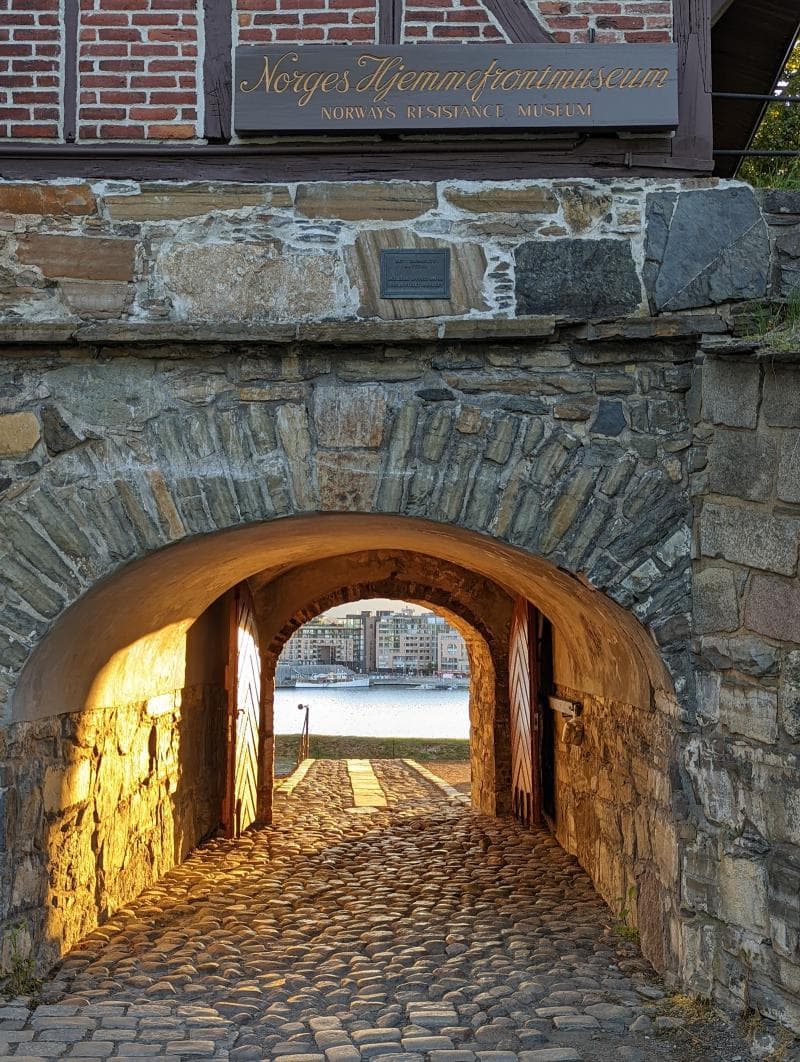
Explore the Norwegian Resistance Museum in Oslo, Norway, detailing the brave fight against Nazi occupation from 1940-1945 within Akershus Fortress.
Overview
Tucked within the historic walls of Akershus Fortress in Oslo, Norway, lies the Norwegian Resistance Museum, locally known as Norges Hjemmefrontmuseum. This significant institution offers a poignant and comprehensive look into Norway's struggle during the German occupation of World War II, spanning the years 1940 to 1945. More than just a collection of artifacts, the museum serves as a powerful testament to the Norwegian people's resilience and unwavering fight for freedom against overwhelming odds. It is housed in a red-brick outbuilding within the fortress grounds, providing an atmospheric backdrop to the harrowing stories it tells.
The museum's exhibits meticulously recreate the five years of occupation, guiding visitors through a chronological journey from the initial invasion to the ultimate liberation. It's a place where history comes alive, allowing travelers to connect deeply with the sacrifices and courageous actions of those who resisted.
History & Cultural Background
The Norwegian Resistance Museum was founded in 1962 by key representatives from both civilian and military branches of the Norwegian Home Front, who wished to preserve the memory of the resistance movement. It officially opened its doors to the public in May 1970, a date chosen deliberately to coincide with the 25th anniversary of Norway's liberation from Nazi Germany. Crown Prince Harald, then heir to the throne, attended the opening ceremony.
The museum's architectural planning was entrusted to Otto Torgersen, who collaborated closely with individuals directly involved in the underground forces. This ensured that the exhibitions accurately reflected the experiences and realities of the resistance. Originally a private foundation, the museum was transferred to state ownership under the Ministry of Defence in 1995, becoming one of the Armed Forces' museums. The choice of location within Akershus Fortress is deeply symbolic; the fortress itself was utilized by Nazi forces as a prison and site of torture and executions during the occupation, adding a somber and powerful layer of context to the museum's narrative.
What Makes It Special
What truly sets the Norwegian Resistance Museum apart is its authentic and deeply personal narrative. It was conceived and developed by those who lived through the occupation and actively participated in the resistance, ensuring an unparalleled level of historical accuracy and emotional resonance. Rather than focusing solely on grand military maneuvers, the museum emphasizes the 'Home Front' — the myriad ways ordinary citizens contributed to the resistance, often through small, clandestine acts of defiance. This makes it a deeply human museum, highlighting individual bravery and collective spirit.
The museum provides a comprehensive overview that extends beyond traditional resistance, incorporating military aspects alongside the everyday life of Norwegian citizens under occupation. Its chronological gallery is meticulously assembled with original documents, photographs, posters, and reconstructed settings, making the complex history accessible and impactful.
Stories, Fun Facts & Local Details
The exhibitions within the Norwegian Resistance Museum chronicle the journey from the day of invasion on April 9, 1940, through to liberation on May 8, 1945. Visitors will encounter stories of both passive and active resistance. This includes the illicit printing and distribution of underground newspapers, the operation of clandestine radio transmitters to gather intelligence, and daring acts of sabotage carried out by organized groups like Milorg and Company Linge.
You'll learn about the efforts to aid refugees and forge identity papers, showcasing the ingenuity and courage of the resistance network. The museum does not shy away from the tragic aspects of the war, including the reign of terror by the Gestapo, the existence of prison and concentration camps in Norway, and the deportation of Norwegian Jews. A somber 'fun fact,' though more historical detail, involves the fortress's post-war significance: Vidkun Quisling, the leader of Norway's collaborationist regime, was executed by firing squad at Akershus Fortress after the war, a stark reminder of the consequences of betrayal and the fortress's multifaceted role in Norwegian history.
Visitor Perspective
Stepping into the Norwegian Resistance Museum offers a unique and atmospheric experience. The building's thick walls and subdued lighting contribute to a solemn and reflective mood, fitting for the serious history it presents. The exhibitions unfold chronologically, guiding you through the dark years of occupation with a narrative that is both educational and deeply moving. While it is an 'old-fashioned' museum in the best sense, relying on detailed displays of documents, objects, models, and original newspaper copies rather than high-tech interactives, its power lies in the authenticity of its materials and the stories they tell.
Most exhibits are accompanied by English translations, though some smaller text elements may remain in Norwegian. Visitors typically spend between 60 to 90 minutes exploring the museum. Its location within the larger Akershus Fortress complex means you can combine your visit with exploring the fortress grounds, which offer stunning views of the Oslofjord and further historical insights.
Coordinates: 10.735, 59.904
View on Google Maps💬 How Travelers Describe This Place
Based on community votes
Interesting
886Photogenic
564Beautiful
443Must See
310Unique
233
Traveler Stories
Discover memorable experiences shared by travelers who have visited this place.
No traveler stories yet.
Be the first traveler to share what made this place memorable.

Tour
By
Spot
Discover amazing places around the world. Your journey starts here.
Explore
© 2026 TourBySpot. All rights reserved.