Northern Gate
Skopje, North Macedonia
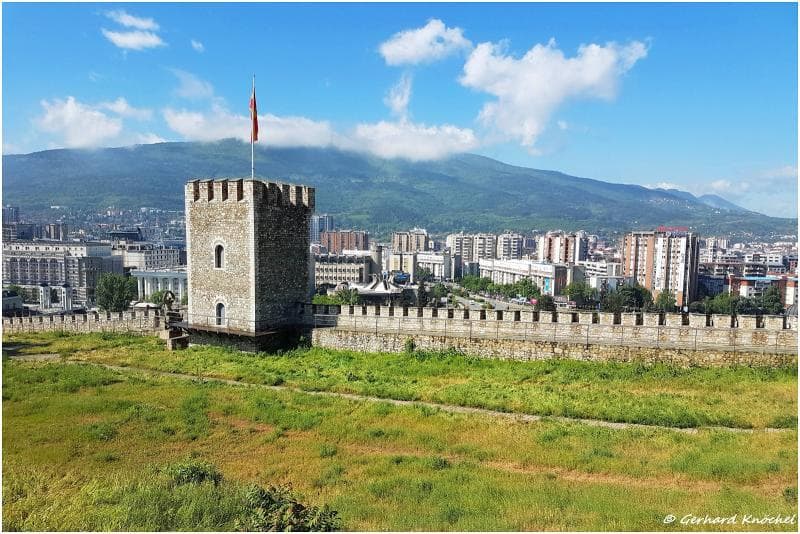
Explore the Northern Gate of Skopje Fortress in Skopje, North Macedonia, a historic citadel offering panoramic city views and rich historical layers.
Overview
Perched majestically atop the highest point in Skopje, North Macedonia, the Skopje Fortress, locally known as Kale, stands as a silent sentinel overseeing the city and the winding Vardar River. While the fortress boasts a rich tapestry of history and numerous defensive features, the 'Northern Gate' refers to one of the vital strategic access points that guarded this ancient citadel. Offering breathtaking panoramic views, the Kale Fortress is more than just a ruin; it is a profound journey through time, embodying the resilience and changing fortunes of Skopje itself.
History & Cultural Background
The history of Skopje Fortress stretches back an astonishing six millennia, with archaeological evidence indicating continuous habitation on this strategic hill since the Neolithic and Bronze Ages, around 4000 BC. The first significant fortifications were erected in the 6th century AD under the reign of Byzantine Emperor Justinian I. Much of the construction material, including yellow limestone and travertine bearing Latin inscriptions, was salvaged from the nearby Roman city of Skupi, which had been devastated by a catastrophic earthquake in 518 AD. This initial Byzantine fortress was part of a larger network of defenses against invading tribes.
Throughout the centuries, the fortress underwent numerous reconstructions and modifications by successive civilizations that held sway over Skopje. It served as the capital of the First Bulgarian Empire between 992 and 1015, and later played a pivotal role when Stefan Dušan, in 1346, crowned himself Emperor of the Serbs and Greeks within its walls, making Skopje the capital of the Serbian Empire. During the long Ottoman rule, the fortress saw further development, though at times it also fell into disrepair. The walls, towers, and gates were integral to the city's defense, safeguarding its inhabitants from various threats.
What Makes It Special
What truly sets the Skopje Fortress apart is its unparalleled vantage point. From its sturdy battlements, visitors are treated to expansive panoramic views that sweep across the terracotta rooftops of the Old Bazaar, the modern cityscape, the flowing Vardar River, and the distant mountains that frame the Skopje valley. This strategic elevation underscores why the site has been continuously fortified for thousands of years. The fortress is not merely a historical site; it is a powerful symbol of Skopje, so much so that it is depicted on the city's coat of arms and incorporated into its flag.
Beyond the views, the fortress represents a layered archaeological wonder. Excavations continue to unearth artifacts from various periods, revealing insights into daily life, trade, and conflict across millennia. The visible remains of walls and foundations tell a story of Byzantine military engineering, Ottoman additions, and countless repairs, creating a tangible connection to the diverse cultures that have shaped North Macedonia.
Stories, Fun Facts & Local Details
While specific detailed anecdotes about the 'Northern Gate' itself are not extensively documented, its strategic position as an entry point into the fortress highlights its historical significance. Fortresses like Kale relied on robust gate systems for defense, often featuring deep trenches and movable wooden bridges that could be raised by windlasses to prevent enemy access. Historical accounts, such as that of the Ottoman chronicler Evliya Çelebi in 1660, describe the formidable nature of the fortress, mentioning double walls, seventy bastions, and iron-clad gates that shone 'as if it were polished,' reflecting the craftsmanship and defensive prowess of the time. An inscription found above one of the gates, dating to 1446, speaks to the ongoing maintenance and importance of these entryways throughout the fortress's operational life.
The Northern Gate, as one of the access points, would have been a crucial point of control and defense, overseeing approaches from that direction. Its role, though perhaps unrecorded in specific tales, was undoubtedly vital in times of siege and peace, controlling the flow of people and goods into and out of the walled city. The very existence of such a gate speaks to the tactical considerations of medieval fortress design, where every entrance was a potential weakness requiring significant fortification. Visitors can almost hear the echoes of ancient guards, the creak of a wooden bridge, or the bustling sounds of a medieval marketplace within the fortress walls when contemplating these historic entry points.
Visitor Perspective
Today, the Skopje Fortress offers a free and accessible experience for curious travelers. Visitors are invited to wander along the ancient walls, explore the open archaeological areas, and soak in the historical atmosphere. The site is a popular spot for locals and tourists alike, particularly at sunset, when the city lights begin to twinkle below. While the interior largely consists of open spaces and ongoing excavations rather than fully restored buildings or museums, this allows for an immersive exploration of the fortress's foundational history. It's recommended to wear comfortable shoes, as paths can be uneven. The Fortress is easily reachable from the Old Bazaar, making it a perfect extension to an itinerary exploring Skopje's historic heart.
Coordinates: 21.4344, 42
View on Google Maps💬 How Travelers Describe This Place
Based on community votes
Photogenic
915Beautiful
211Interesting
123Unique
74Must See
20
Traveler Stories
Discover memorable experiences shared by travelers who have visited this place.
No traveler stories yet.
Be the first traveler to share what made this place memorable.

Tour
By
Spot
Discover amazing places around the world. Your journey starts here.
Explore
© 2026 TourBySpot. All rights reserved.