North Tower
Vienna, Austria
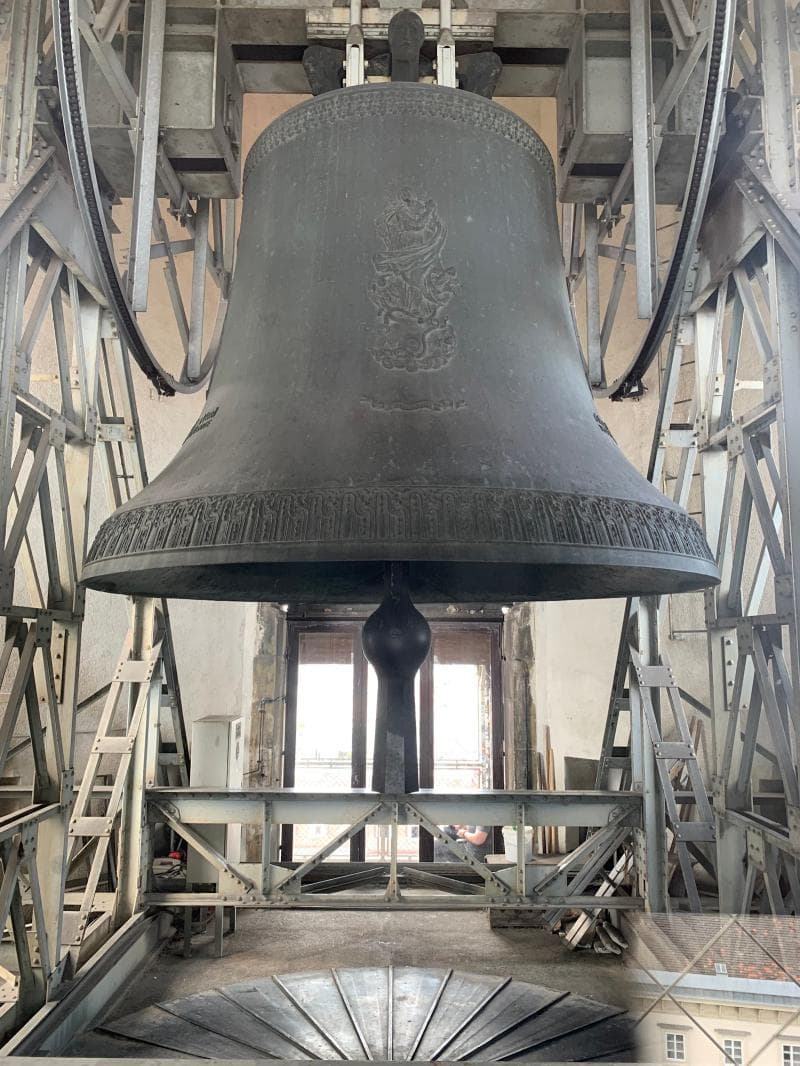
Discover Vienna's St. Stephen's Cathedral North Tower, home to the Pummerin bell. Enjoy panoramic city views from this historic landmark in Vienna, Austria.
Overview
Perched majestically within the heart of Vienna's iconic St. Stephen’s Cathedral (Stephansdom) stands the North Tower, known locally as the Nordturm. While its counterpart, the South Tower, dominates the city skyline with its imposing height, the North Tower offers a uniquely accessible and intimate encounter with this historical landmark. Standing at 68.3 meters tall, the North Tower remains unfinished in its original Gothic design, capped instead with a distinctive Renaissance dome. It houses Austria's largest bell, the legendary Pummerin, a highlight for many visitors. Unlike the challenging ascent of the South Tower, the Nordturm is conveniently reached via an elevator, making it an ideal choice for travelers seeking panoramic views of Vienna's historic center and a close-up perspective of the cathedral's famous tiled roof without a strenuous climb.
History & Cultural Background
The construction of St. Stephen's Cathedral itself boasts a rich history dating back to 1137, evolving from Romanesque beginnings into the Gothic masterpiece seen today. Work on the North Tower commenced around 1450, originally envisioned to mirror the impressive height of the South Tower. However, its construction faced numerous interruptions. Financial constraints and a shift in architectural tastes from the elaborate Gothic style to the emerging Renaissance led to the project being halted in the early 16th century. Consequently, the tower was completed with a Renaissance cupola in 1578, a striking contrast to its Gothic foundations.
The North Tower's most celebrated resident is the Pummerin bell, a symbol of Viennese resilience. The original Pummerin, cast in 1705 from 208 cannons captured from the Ottoman forces after the historic Second Turkish Siege of Vienna in 1683, was a monument to victory. Consecrated in 1711, this massive bell was initially installed in the South Tower. Tragically, during the closing days of World War II in April 1945, a fire severely damaged the cathedral, causing the original Pummerin to fall and shatter. From its remnants, along with new bronze, a new Pummerin was recast in 1951 and was finally installed in the sturdier North Tower in 1957, where it resides today.
What Makes It Special
The North Tower offers a distinct experience compared to its taller southern counterpart. Its primary allure lies in its accessibility; a modern elevator swiftly transports visitors to a viewing platform, eliminating the need to climb hundreds of stairs. This makes it an excellent option for families, elderly visitors, or anyone preferring a more relaxed ascent. Once at the top, you are greeted with a unique perspective. You can marvel at the Pummerin bell up close, appreciating its immense scale and historical significance. From this vantage point, visitors also gain an unparalleled view of St. Stephen's Cathedral's magnificent, multi-colored tiled roof. This intricate mosaic depicts the double-headed eagle of the former Habsburg monarchy and the coats of arms of the City of Vienna and the Republic of Austria. The unfinished nature of the tower itself, with its blend of Gothic and Renaissance styles, serves as a tangible testament to centuries of architectural evolution and the challenges faced by its medieval builders.
Stories, Fun Facts & Local Details
The Pummerin, meaning 'Boomer' due to its deep, resonant tone, is the largest bell in Austria, weighing over 21 tonnes and measuring approximately 3.14 meters in diameter. It holds the distinction of being one of the largest free-swinging church bells in Europe. This grand bell rings only on a few, highly significant occasions each year, such as New Year's Eve, Easter, and other major national events, its chimes broadcast across the nation. A fascinating piece of its history can be found in the cathedral's catacombs, where the clapper of the original Pummerin bell is displayed. Locals sometimes refer to the North Tower's Renaissance cap as the 'water tower top,' reflecting its somewhat unconventional appearance compared to the soaring Gothic spires. There's even a legend suggesting the architect of the North Tower broke a pact with the devil, leading to his demise and the tower's incomplete state, though the true reasons were more prosaic: a lack of funds and changing architectural tastes.
Visitor Perspective
A visit to the North Tower is a straightforward and rewarding experience, typically lasting between 20 to 35 minutes, depending on elevator wait times and how long you wish to linger at the viewing platform. The elevator access ensures a comfortable journey, making it accessible to a wide range of visitors. While the views extend across much of Vienna's cityscape, it's worth noting that the cathedral's own main roof might obstruct certain southern and southwestern panoramas. Large, labeled photos at the viewing platform help visitors identify key landmarks in the distance. When planning your visit, be aware that on-site ticket purchases for the tower are often cash-only. Opening hours can vary, particularly due to weather conditions or special liturgical events, so it's advisable to check the cathedral's schedule in advance.
Coordinates: 16.373, 48.2085
View on Google Maps💬 How Travelers Describe This Place
Based on community votes
Photogenic
698Must See
476Beautiful
465Unique
276Interesting
126
Traveler Stories
Discover memorable experiences shared by travelers who have visited this place.
No traveler stories yet.
Be the first traveler to share what made this place memorable.

Tour
By
Spot
Discover amazing places around the world. Your journey starts here.
Explore
© 2026 TourBySpot. All rights reserved.