Nomadic Heritage Section
Bishkek, Kyrgyzstan
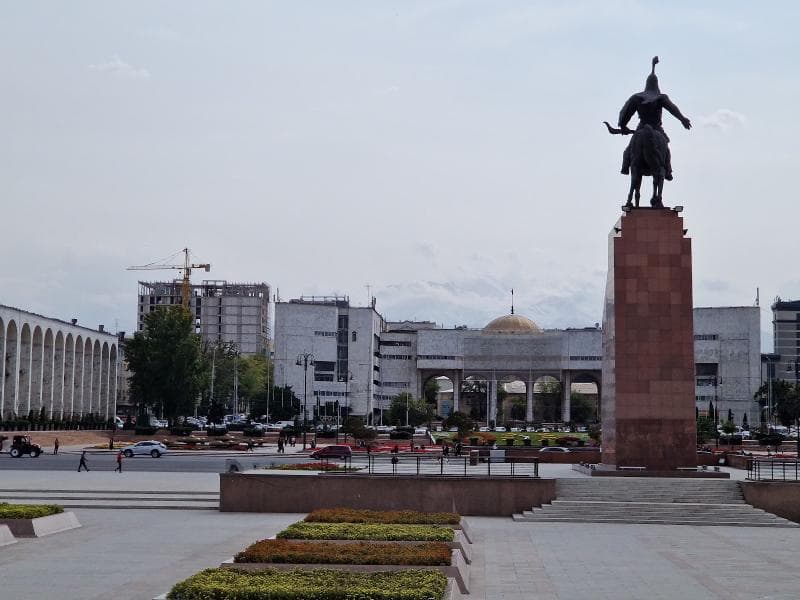
Explore the Nomadic Heritage Section of the State History Museum in Bishkek, Kyrgyzstan, delving into ancient nomadic life, traditions, and artifacts.
Overview
The State History Museum, also known as the National Historical Museum of the Kyrgyz Republic, stands proudly in the heart of Bishkek, Kyrgyzstan, as a cornerstone of the nation's rich cultural and historical identity. It is widely recognized as one of Central Asia's most significant museums, offering a profound journey through time. The museum's extensive collections, comprising over 90,000 exhibits, meticulously document the country's past from ancient civilizations to its modern state. A particular highlight, and a central theme woven throughout its displays, is the nomadic heritage that profoundly shaped the Kyrgyz people and their traditions.
Visitors to this venerable institution will find themselves immersed in a narrative that emphasizes the enduring spirit and ingenuity of nomadic life. The museum serves as an essential guide for anyone seeking to understand the unique cultural tapestry of Kyrgyzstan, presenting a comprehensive overview that balances archaeological finds with ethnographic treasures.
History & Cultural Background
The history of the Kyrgyz people is inextricably linked to their nomadic past, a lifestyle dictated by the vast, high-altitude landscapes of Central Asia. The museum's exhibits dedicated to nomadic heritage trace these roots from the Stone Age and Bronze Age, showcasing how early tribes adapted and thrived in challenging environments. These sections illustrate the continuous evolution of nomadic culture through various epochs, including the ancient Silk Road era and the periods influenced by Turkic-speaking states.
The State History Museum meticulously preserves artifacts that tell the story of a people whose identity was forged in movement, resilience, and a deep connection to their environment. It highlights not just the practical aspects of nomadic existence but also the philosophical and artistic expressions that emerged from this way of life. The nomadic tradition, presented here, is not a mere historical footnote but the vibrant foundation upon which modern Kyrgyz identity is built.
What Makes It Special
The Nomadic Heritage Section, or rather, the extensive nomadic exhibits found across the museum, is particularly special for its authentic and diverse collection of artifacts. One of the most striking features is the meticulously crafted nomad yurt, a traditional portable dwelling made of felt, offering a tangible connection to the past.
Other compelling displays include:
- Traditional Textiles and Handicrafts: A rich assortment of felt carpets, known as 'shyrdaks', along with intricate embroidery, national costumes, and a variety of crafts fashioned from wool, leather, and wood, showcasing the artistic prowess of nomadic artisans.
- Archaeological Treasures: Exhibits of Bronze Age weaponry and household items, ancient coin collections, and jewelry dating from the 1st to the 5th centuries, providing insights into the material culture of early nomadic societies.
- The Golden Hall: This magnificent area features exquisite gold artifacts, including the famous golden burial mask of the Saka people and other dazzling golden ornaments from early nomadic cultures.
- Musical Instruments: A collection of traditional Kyrgyz musical instruments like the 'komuz', 'kerney', and 'sybyzgy', often accompanied by audio recordings, brings the sounds of nomadic life to the present.
The museum's ability to present these diverse elements creates a vivid and comprehensive picture of nomadic life.
Stories, Fun Facts & Local Details
The museum's narrative is enriched with stories and cultural details that evoke the spirit of the Kyrgyz nomads. The concept of the Kyrgyz as a 'nation on horseback' is beautifully illustrated through exhibits of horse-harness accessories and life-sized representations, underscoring the profound bond between the people and their steeds. Interactive displays, such as a touchscreen inviting visitors to virtually arrange objects inside a traditional yurt, make the learning experience engaging and memorable.
Another fascinating aspect is the presence of an audio recording of the 'Epic of Manas', a central oral tradition that recounts the deeds of a legendary hero and unites the Kyrgyz people. Visitors will also encounter iconic cultural symbols like the 'kalpak' (traditional felt hat) and 'shyrdak' (felt rug), which are not just garments or household items but symbols steeped in national pride and craftsmanship.
It's worth noting the extensive renovations the museum underwent between 2016 and 2021, transforming it into a modern and spacious exhibition space while preserving its historical integrity.
Visitor Perspective
For any curious traveler in Bishkek, the State History Museum offers an unparalleled introduction to Kyrgyzstan. The Nomadic Heritage displays are particularly crucial for gaining an excellent understanding of the country's cultural context before venturing out to explore its landscapes and communities.
The museum facilitates a comfortable and informative visit with most artifacts clearly labeled and described in English, Russian, and Kyrgyz. This trilingual presentation ensures that international visitors can fully appreciate the historical and cultural significance of each exhibit. The recently renovated facilities provide a modern and aesthetically pleasing environment for exploration. By connecting with the tools, garments, and dwellings of past generations, visitors can truly feel the echoes of a vibrant nomadic past and better understand the soul of the Kyrgyz nation.
Coordinates: 74.60377, 42.87787
View on Google Maps💬 How Travelers Describe This Place
Based on community votes
Must See
673Photogenic
336Interesting
219Unique
186Beautiful
80
Traveler Stories
Discover memorable experiences shared by travelers who have visited this place.
No traveler stories yet.
Be the first traveler to share what made this place memorable.

Tour
By
Spot
Discover amazing places around the world. Your journey starts here.
Explore
© 2026 TourBySpot. All rights reserved.