Night Illumination
Rome, Italy
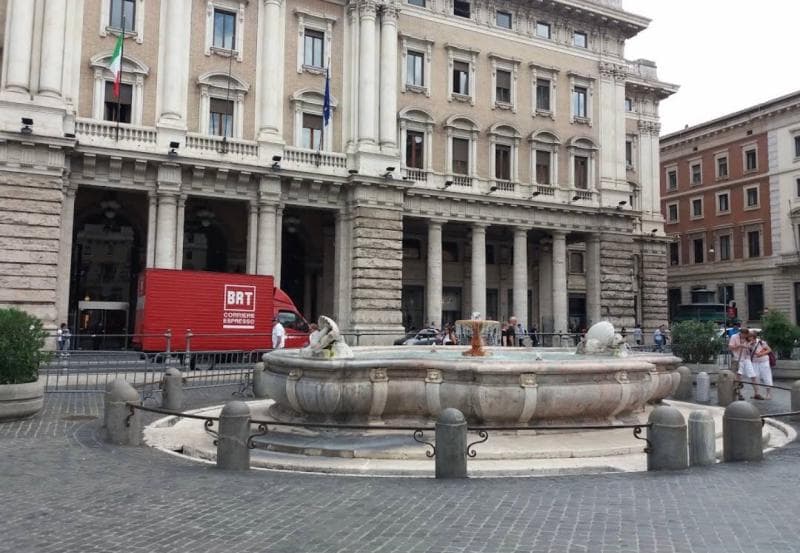
Experience the magical Night Illumination of Trevi Fountain in Rome, Italy. Discover its history, cultural significance, and enchanting ambiance after dark.
Overview
As dusk settles over Rome, the iconic Trevi Fountain transforms, bathed in a soft, golden glow that highlights its Baroque grandeur in a truly magical way. This evening spectacle, known as 'Night Illumination', offers a distinctly different and often more intimate experience than a daytime visit. The intricate sculptures and cascading waters, already a masterpiece of artistry and engineering, take on a dramatic and romantic ambiance under the thoughtfully designed lighting. While the daytime crowds marvel at its scale and detail, the night reveals a serene beauty, inviting reflection and romance. Visitors can stroll around the piazza, tossing a coin into the illuminated waters, and soak in the timeless atmosphere of Rome after dark.
History & Cultural Background
The Trevi Fountain, or Fontana di Trevi, is not merely a decorative element but the magnificent endpoint of the Aqua Virgo aqueduct, an engineering marvel dating back to 19 BCE. This ancient aqueduct, still supplying water to the fountain today, is a testament to Roman ingenuity, originally bringing fresh water to the city. The fountain's name itself, 'Trevi', is derived from 'tre vie', signifying the junction of three roads where it stands. Construction of the present Baroque masterpiece began in 1732 under the design of Nicola Salvi and was completed by Giuseppe Pannini in 1762, solidifying its place as Rome's largest Baroque fountain. Its creation was a celebration of water and Roman power, with its central figure depicting Oceanus, a Titan, not Neptune as commonly believed, riding a shell chariot pulled by seahorses. At night, this rich history seems to whisper through the illuminated travertine, connecting modern visitors to centuries of Roman heritage.
What Makes It Special
The night illumination of the Trevi Fountain is special due to its thoughtful design and the profound impact it has on the visitor experience. Unlike a simple floodlighting, the illumination is meticulously crafted to accentuate the fountain's features. Rome's water company, Acea, is responsible for this stunning display, employing approximately 100 LED lights. Eighty-five of these lights are submerged underwater, while six are positioned outside, with others strategically placed on the shell behind the statue of Oceanus. This precise placement and the use of narrow beam optics work together to highlight the profiles of the sculptures, the dramatic cliff made of travertine stone, and the cascading water, bringing them to life against the dark sky. The shift to LED lighting has also made the display more sustainable, significantly reducing energy consumption. The golden glow reflecting off the water creates a breathtaking spectacle, transforming the already impressive monument into an ethereal vision that feels both grand and intimate.
Stories, Fun Facts & Local Details
The Trevi Fountain is steeped in stories and traditions that are particularly poignant at night. The most famous ritual involves tossing a coin into the fountain. Legend suggests that throwing one coin over your left shoulder with your right hand ensures a return to Rome. A second coin is said to bring a new romance, and a third, marriage. These coins, amounting to thousands of Euros daily, are regularly collected and donated to a local charity, Caritas, supporting those in need. The fountain's romantic allure has been immortalized in classic cinema, most famously in Federico Fellini's 'La Dolce Vita', further cementing its status as a place of dreams and enchantment. On special occasions, the fountain may even host unique light shows, adding another layer of surprise to its nocturnal charm. The constant, soothing sound of the flowing water, amplified in the quieter night hours, contributes to the serene and reflective atmosphere, making it a favorite spot for both locals and travelers.
Visitor Perspective
For a curious traveler, experiencing the Trevi Fountain's night illumination is often cited as a highlight of a visit to Rome. The transformation after sunset offers a profoundly different and often more satisfying experience than during the day. As evening progresses, the massive crowds that throng the piazza during daylight hours tend to thin out, especially after 10 PM. This allows for a more peaceful and unhurried appreciation of the fountain's magnificent details and the play of light on water. Many visitors describe the atmosphere as 'magical,' 'romantic,' and 'enchanting,' an ideal setting for quiet contemplation or a romantic stroll. Rome's city center is generally considered safe at night, encouraging visitors to enjoy these later hours. Standing before the brilliantly lit fountain, the golden hues shimmering on the travertine and dancing in the water, one can truly feel the timeless beauty and artistic spirit of the Eternal City. It's a moment that resonates long after the visit, a memory bathed in the unique glow of Roman night.
Coordinates: 12.4833, 41.9008
View on Google Maps💬 How Travelers Describe This Place
Based on community votes
Must See
717Photogenic
618Interesting
449Beautiful
335Unique
22
Traveler Stories
Discover memorable experiences shared by travelers who have visited this place.
No traveler stories yet.
Be the first traveler to share what made this place memorable.

Tour
By
Spot
Discover amazing places around the world. Your journey starts here.
Explore
© 2026 TourBySpot. All rights reserved.