Nguyen Hue Walking Street
Ho Chi Minh City, Vietnam
Discover Nguyen Hue Walking Street in Ho Chi Minh City, Vietnam. Explore its history, unique cafe apartments, vibrant street life, and cultural events.
Overview
Nguyen Hue Walking Street, nestled in the vibrant heart of District 1, Ho Chi Minh City, Vietnam, stands as a premier pedestrian boulevard. Stretching approximately 900 meters from the historic Ho Chi Minh City People's Committee Building to the scenic Bach Dang Wharf along the Saigon River, it serves as a dynamic hub of culture, entertainment, and urban life. Transformed into a pedestrian-only zone in April 2015, this iconic street has become an essential gathering place for both locals and international visitors, offering a refreshing respite from the city's characteristic bustle.
History & Cultural Background
The history of Nguyen Hue Walking Street dates back to the 19th century when it was originally known as the Charner Canal, a significant waterway used for commerce. During the French colonial era, this canal was filled in and developed into a grand boulevard, inheriting the name Charner Boulevard. In 1956, it was officially renamed Nguyen Hue Street, honoring Emperor Quang Trung (Nguyen Hue), a celebrated national hero of Vietnam. Its most significant metamorphosis occurred in 2015, when it underwent a major redevelopment to become the modern pedestrian street seen today. This transformation involved installing paving stones, planting over 200 trees, and adding sophisticated fountain systems, establishing it as Vietnam's first major pedestrian boulevard. This evolution from a canal to a bustling thoroughfare and now a serene walking street beautifully mirrors Ho Chi Minh City's own journey through history and modernity.
What Makes It Special
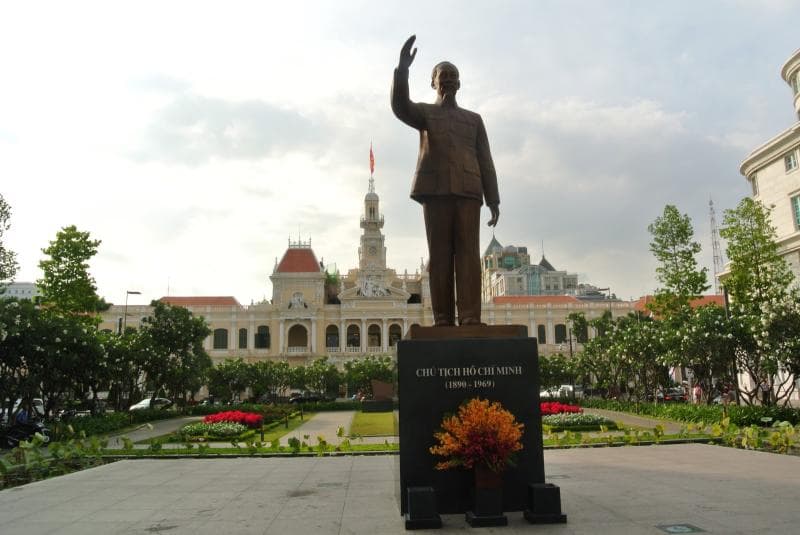
Nguyen Hue Walking Street is renowned for its distinctive blend of historic architecture and contemporary vibrancy. At one end, the elegant Ho Chi Minh City People's Committee Building, a French colonial masterpiece, provides a stunning backdrop, while the Ho Chi Minh Statue stands proudly before it. The boulevard itself boasts modern design elements, including brightly lit musical fountains, colorful LED displays, and lush green spaces, which create a captivating atmosphere, especially after dusk. A highlight is the iconic 'Cafe Apartment' at 42 Nguyen Hue, a former residential building ingeniously repurposed into a multi-story complex housing dozens of unique cafes, boutiques, and studios, each offering unique views of the street. The wide, unobstructed design of the street encourages leisurely strolls, making it a perfect spot for people-watching and soaking in the city's pulse.
Stories, Fun Facts & Local Details
This pedestrian boulevard is a canvas for everyday Vietnamese life and special cultural events. During the Lunar New Year (Tet), Nguyen Hue transforms into the spectacular Nguyen Hue Flower Street, an annual festival since 2004 that showcases elaborate floral arrangements and miniature landscapes, drawing immense crowds. Throughout the year, especially on weekend evenings, the street comes alive with spontaneous street performances, ranging from K-pop dance groups and acoustic musicians to portrait artists and magicians, providing free entertainment for all. A popular local custom is 'cà phê bệt,' where people enjoy coffee while sitting on small mats directly on the sidewalk, immersing themselves in the vibrant street life. While food stalls are restricted on the boulevard itself, the surrounding alleys and buildings offer a plethora of Vietnamese street snacks, traditional cafes, and trendy dessert shops. It also serves as a central point for major public celebrations and events, showcasing the collective spirit of Saigon.
Visitor Perspective
For visitors, Nguyen Hue Walking Street offers an immersive experience into Ho Chi Minh City's dynamic culture. The most vibrant times to visit are in the evenings, particularly on Fridays and Saturdays, when the street buzzes with activity, live performances, and colorful lights. During weekdays or in the mornings, it provides a quieter setting for sightseeing and photography. Comfortable footwear is highly recommended, as you will likely want to explore the entire 900-meter stretch. As a popular public space, it can get crowded, so visitors should be mindful of their belongings. The street is family-friendly and accessible, inviting everyone to enjoy its open spaces and diverse offerings. Nearby attractions like the Nguyen Van Binh Book Street, located just a short walk away, offer a quieter cultural contrast. Whether you seek lively entertainment or a peaceful evening stroll, Nguyen Hue Walking Street provides an authentic glimpse into the 'heart' of Ho Chi Minh City.
Coordinates: 106.702, 10.7745
View on Google Maps💬 How Travelers Describe This Place
Based on community votes
Photogenic
847Must See
831Interesting
685Unique
433Beautiful
211
Traveler Stories
Discover memorable experiences shared by travelers who have visited this place.
No traveler stories yet.
Be the first traveler to share what made this place memorable.
Things to see at Nguyen Hue Walking Street



Tour
By
Spot
Discover amazing places around the world. Your journey starts here.
Explore
© 2026 TourBySpot. All rights reserved.