Luxury Retail Fronts
Ho Chi Minh City, Vietnam
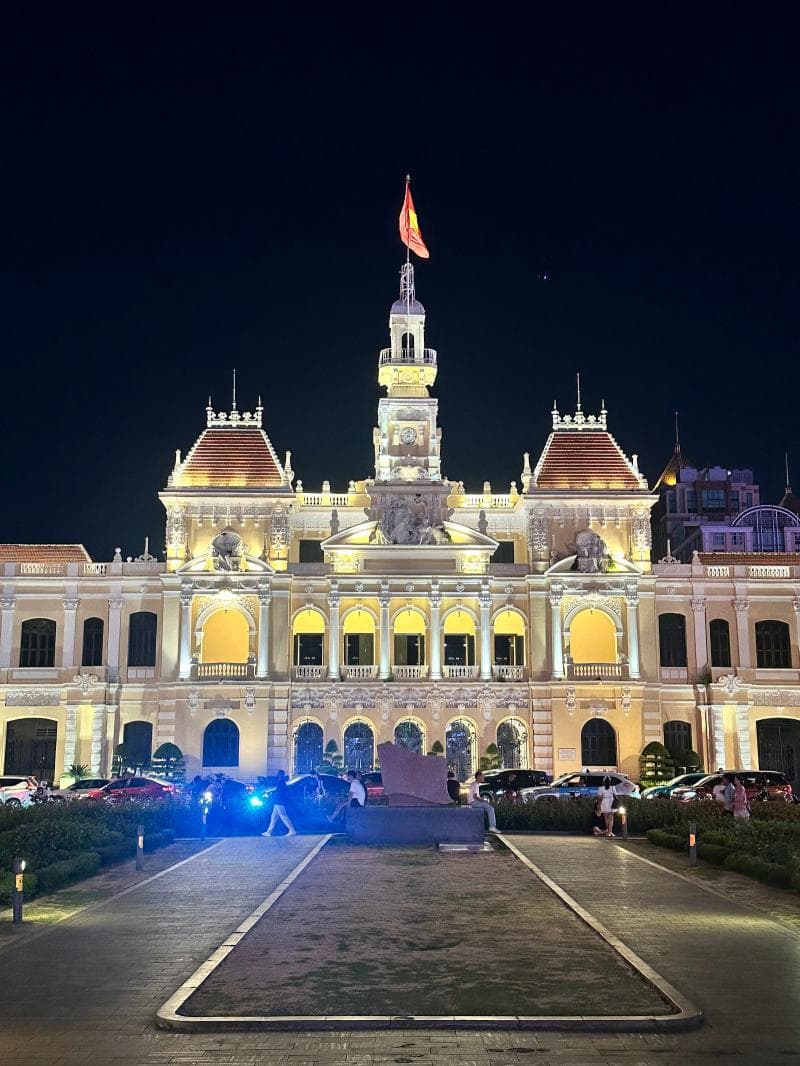
Discover the 'Luxury Retail Fronts' on Nguyen Hue Walking Street in Ho Chi Minh City, Vietnam. Explore high-end international brands and unique local boutiques.
Overview
Nguyen Hue Walking Street, nestled in the vibrant heart of Ho Chi Minh City, Vietnam, is more than just a thoroughfare; it's a dynamic public square that pulses with the city's modern energy while retaining echoes of its colonial past. This approximately 670 to 900-meter-long pedestrian boulevard stretches from the stately Ho Chi Minh City People's Committee Building to the scenic Bach Dang Wharf along the Saigon River, offering a refreshing respite from the city's usual motorbike bustle.
The area surrounding Nguyen Hue Walking Street, particularly its 'Luxury Retail Fronts,' presents a fascinating juxtaposition. Here, sleek modern glass storefronts housing international high-end brands stand alongside charming historic facades that conceal unique local boutiques and creative spaces. It's a place where visitors can admire sophisticated displays of global fashion powerhouses, discover one-of-a-kind designs from Vietnamese artisans, and immerse themselves in the city's evolving urban landscape.
History & Cultural Background
The story of Nguyen Hue Walking Street is one of continuous transformation. Its origins trace back to the 19th century when it was known as Kinh Lớn, a significant canal linking the Saigon River to the city's interior. During the French colonial period, specifically between 1886 and 1887, this canal was filled in, giving rise to Charner Boulevard, named after French naval commander Léonard Charner. This transformation laid the groundwork for the grand boulevard, which began to be flanked by impressive French colonial architecture.
In 1956, the boulevard was officially renamed Nguyen Hue. Its most recent and significant metamorphosis occurred in 2015 when a major part of the boulevard was pedestrianized, creating the wide, open public space seen today. This historical journey from a bustling waterway to a grand boulevard and then to a modern pedestrian street reflects Ho Chi Minh City's dynamic growth and its ability to blend heritage with contemporary urban development.
What Makes It Special
The 'Luxury Retail Fronts' on Nguyen Hue Walking Street are special because they are interwoven into the street's unique fabric. Unlike many exclusive shopping districts, this area is not solely defined by monolithic luxury malls but by a blend of experiences. It offers the refined atmosphere of upscale shopping amidst a lively pedestrian environment, complete with street performances and public art installations.
A particularly distinctive feature is the iconic 'Cafe Apartment' at 42 Nguyen Hue. This former residential block has been ingeniously repurposed into a vertical maze of independent boutiques, cafes, and creative studios. Each unit, with its unique character, contributes to a vibrant, eclectic retail scene that offers a contrast to the international luxury brands found elsewhere on the street. This blend provides a rich shopping landscape, from global designer brands like Louis Vuitton and Gucci to curated local fashion labels, embodying the diverse spirit of Ho Chi Minh City.
Stories, Fun Facts & Local Details
One of the most heartwarming aspects of the Cafe Apartment is its role as a hub for young Vietnamese entrepreneurs. Many of the boutique shops and cafes within this repurposed building are run by creative locals who pour their passion into unique designs and experiences, reflecting Saigon's innovative spirit. Each balcony and storefront tells a small story of local ingenuity and artistic expression.
Annually, during the Lunar New Year (Tết), Nguyen Hue Walking Street undergoes a spectacular transformation, becoming the famous Nguyen Hue Flower Street. This tradition, dating back to 2004, sees the entire boulevard adorned with thousands of vibrant flowers and intricate displays, attracting millions of visitors and locals alike to celebrate the most important festival in Vietnam. It's a breathtaking display of color and cultural pride.
Another beloved local detail is the practice of 'cà phê bệt,' where people gather to enjoy coffee while casually sitting on small mats directly on the sidewalk. This simple yet charming tradition offers an authentic way to observe street life and soak in the vibrant atmosphere, particularly popular at the intersections of Nguyen Hue and other major streets.
Visitor Perspective
For any curious traveler, exploring the 'Luxury Retail Fronts' of Nguyen Hue Walking Street offers a multi-faceted experience. During the day, it's an ideal place for a leisurely stroll, appreciating the architectural blend and window shopping at high-end establishments.
However, the street truly comes alive in the evenings, especially on weekends, when traffic is restricted, and the area fills with crowds, street performers, and dazzling lights. The illuminated glass storefronts of luxury brands shimmer, and the unique, often quirky, displays of the Cafe Apartment boutiques beckon. It's a fantastic spot for photography, capturing the contrast between historical grandeur and modern vibrancy. Visitors often find themselves drawn into the lively ambiance, whether admiring the interactive fountains, discovering local fashion treasures, or simply enjoying the energy of this iconic Ho Chi Minh City landmark.
Coordinates: 106.703619, 10.774112
View on Google Maps💬 How Travelers Describe This Place
Based on community votes
Beautiful
836Unique
797Photogenic
396Interesting
286Must See
255
Traveler Stories
Discover memorable experiences shared by travelers who have visited this place.
No traveler stories yet.
Be the first traveler to share what made this place memorable.

Tour
By
Spot
Discover amazing places around the world. Your journey starts here.
Explore
© 2026 TourBySpot. All rights reserved.