Neptune Fountain
Florence, Italy
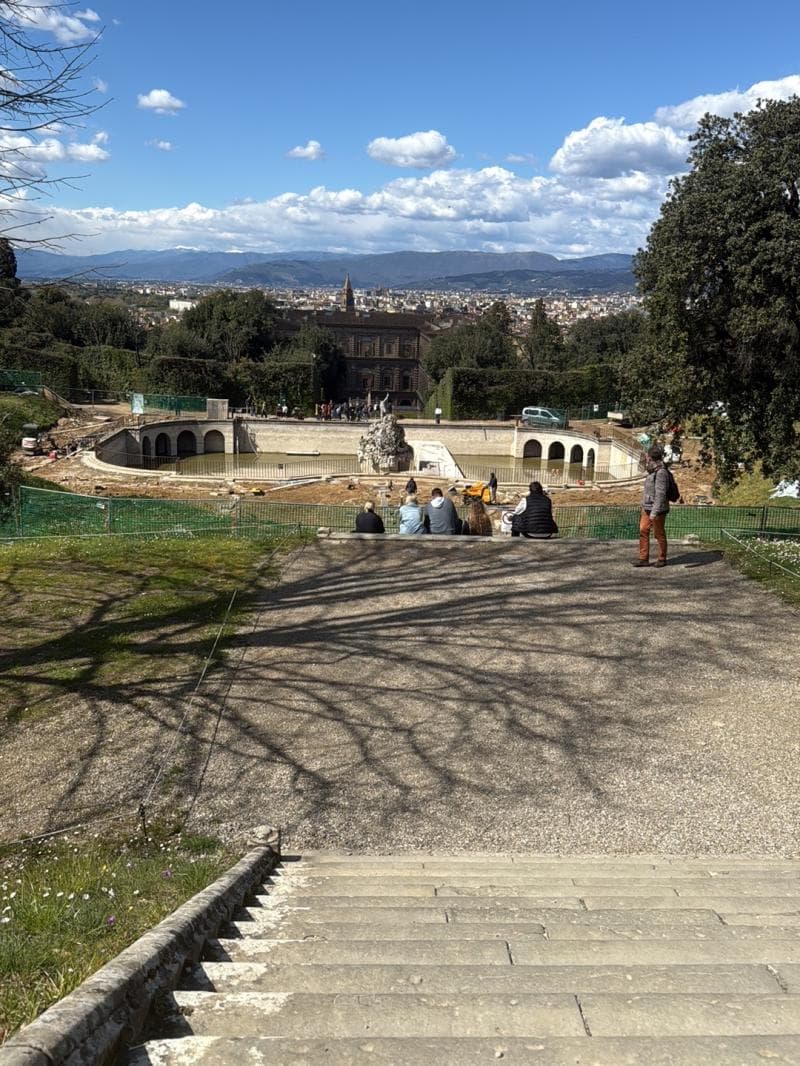
Discover Florence's Neptune Fountain in Boboli Gardens, Italy. Explore its history, artistic details, and stunning views of the city. A true Renaissance masterpiece.
Overview
Nestled within the vast and verdant expanse of the Boboli Gardens in Florence, Italy, stands the magnificent Neptune Fountain. This iconic landmark is a highlight of one of Europe's most influential Renaissance gardens, offering visitors a captivating blend of art, history, and natural beauty. The fountain features a commanding bronze statue of Neptune, the Roman god of the sea, poised majestically at its center. It is a testament to the ambitious vision of the Medici family, who transformed the area behind the Pitti Palace into a grand outdoor museum of landscape design and sculpture. The Neptune Fountain, often affectionately called 'Fountain of the Fork' by Florentines, is not merely a decorative element but a historical artifact deeply embedded in the narrative of sixteenth-century Florence and the power of its ruling dynasty.
Strategically located on an upper terrace, the fountain provides a stunning panoramic vista over the gardens and the city of Florence beyond. Its intricate design, coupled with its historical significance and the serene ambiance of its surroundings, makes it a must-see for anyone exploring the Boboli Gardens. The fountain was originally conceived not just for aesthetic pleasure, but also as a functional component of the garden's sophisticated hydraulic system, acting as a reservoir for the aqueduct that supplied water to various parts of the city and gardens.
History & Cultural Background
The Neptune Fountain was commissioned by Cosimo I de' Medici, the first Grand Duke of Tuscany, and was created by the sculptor Stoldo Lorenzi between 1565 and 1568. Its creation coincided with a period of immense artistic and engineering innovation in Florence, driven by the Medici family's desire to showcase their wealth, power, and cultural sophistication. The Boboli Gardens themselves began development in the mid-16th century under Medici patronage, becoming a prototype for Italian formal gardens that would inspire designs across Europe.
The fountain's central figure, Neptune, served as a powerful symbol of Cosimo I de' Medici's dominion, particularly his aspirations for naval power and control over Florence's waterways. It was also part of the elaborate celebrations for the wedding of Cosimo's son, Francesco I de' Medici, to Joanna of Austria, an event that further solidified the Medici's political standing. The design of the fountain, with Neptune holding his characteristic trident, surrounded by mythological figures like tritons and nereids, reflects the Mannerist style prevalent at the time, characterized by its dramatic compositions and refined artistry.
What Makes It Special
The Neptune Fountain stands out for several reasons beyond its artistic merit. Its placement atop a hill means it offers one of the most breathtaking views within the Boboli Gardens, overlooking the Pitti Palace and the historic skyline of Florence. The sheer scale of the bronze Neptune statue is impressive, making it a focal point within the meticulously designed landscape. The fountain was a marvel of Renaissance engineering; its basin ingeniously collected irrigation water, demonstrating the advanced hydraulic knowledge of the era.
Furthermore, the fountain's symbolic weight is significant. It subtly communicates the Medici's influence and control, not just over land but also over the sea, aligning Neptune's might with the Grand Duke's authority. This blending of art, engineering, and political messaging makes the Neptune Fountain a unique and multi-layered masterpiece. The fact that it has endured for centuries, undergoing various restorations, speaks to its lasting cultural and historical importance.
Stories, Fun Facts & Local Details
One of the most charming local details about the Neptune Fountain is its affectionate nickname, 'Fountain of the Fork' (Fontana del Forcone). Florentines gave it this name due to Neptune's prominent trident, which resembles a large fork. This irreverent yet proud nickname might also subtly allude to a Florentine tradition: it is said that the modern four-pronged fork was invented in Florence in the fifteenth century, and Catherine de' Medici later introduced it to the French court, from where it spread across Europe. This highlights the Florentine sense of humor and their historical contributions to culture and innovation.
The fountain's original location was not entirely as Niccolò Tribolo, the initial designer of the Boboli Gardens, had intended. The current placement, chosen by architect Davide Fortini, showcases it magnificently, providing some of the most scenic views of the gardens and Florence. Imagine the bustling court life that once revolved around these gardens, with the Medici family and their guests enjoying the refreshing spray of the fountain while gazing upon their flourishing city.
Visitor Perspective
Visiting the Neptune Fountain is an integral part of experiencing the Boboli Gardens. After ascending the paths and terraces, encountering this grand aquatic sculpture is a rewarding moment. The sound of the flowing water, combined with the majestic presence of Neptune, creates a sense of tranquility and awe. It offers a perfect spot for reflection and to appreciate the intricate details of Renaissance artistry. From the fountain's elevated position, one can absorb the expansive views, observing the carefully manicured gardens unfurling below and the iconic landmarks of Florence in the distance. It is advisable to allow ample time to explore the surrounding areas of the Boboli Gardens, as the journey to and from the fountain reveals many other hidden gems and perspectives within this living museum. The fountain provides not just visual splendor, but a profound connection to the rich history and artistic legacy of Florence.
Coordinates: 11.24833, 43.7625
View on Google Maps💬 How Travelers Describe This Place
Based on community votes
Must See
556Photogenic
540Unique
470Interesting
410Beautiful
254
Traveler Stories
Discover memorable experiences shared by travelers who have visited this place.
No traveler stories yet.
Be the first traveler to share what made this place memorable.

Tour
By
Spot
Discover amazing places around the world. Your journey starts here.
Explore
© 2026 TourBySpot. All rights reserved.